Are you overdoing protein in your diet? Discover the truth about optimal daily protein intake for weight management and muscle building. Learn how to calculate your needs and strategize consumption to avoid unnecessary fat storage and digestive issues.

The Protein Paradox: The Pitfall of 'More is Better'
Protein is widely recognized as a crucial nutrient for maintaining a healthy body and effective weight management. Due to its numerous benefits, such as muscle maintenance, growth, and prolonged satiety, many individuals tend to excessively increase their protein intake, assuming 'more is always better.' However, like me, many experience unintended side effects from consuming too much protein, including indigestion, bloating, and even unexpected weight gain. This phenomenon occurs because our bodies have a limited capacity to absorb and utilize protein at one time. Any amount consumed beyond what's needed is not efficiently used and can be stored as fat or place undue stress on the digestive system. In this article, we'll explore how to calculate your optimal daily protein intake and discover practical strategies for smart consumption in your busy life, aiming to clear up misconceptions and help you build healthy habits.
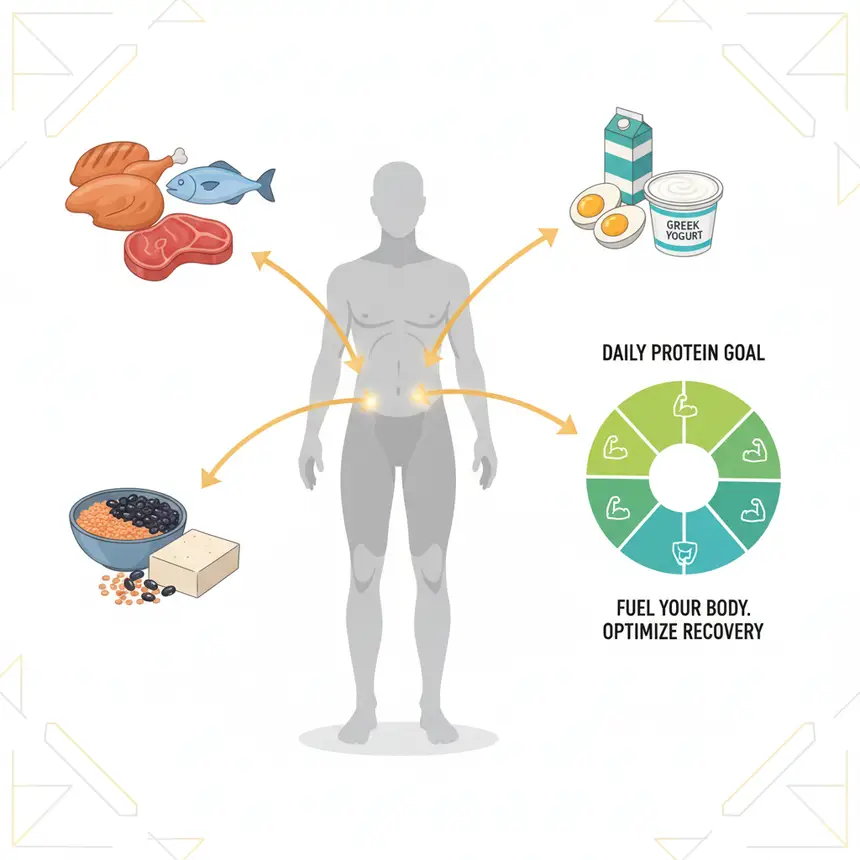
Calculating Your Optimal Protein Intake and Smart Distribution Strategies
For protein intake, the key lies in 'the right amount' and 'efficient distribution.' First, determine your daily recommended protein intake based on your body weight and activity level.
When using convenient protein supplements for busy lifestyles, it's crucial to check the nutrition label. Excessive sugars added for taste can cause blood sugar spikes and subsequent overeating. Here are three criteria for smart choices:
- Calculation Method: Multiply your body weight in kilograms by 1.0g (for low activity), 1.2g (for light exercise or weight management), or 1.5g (for intense strength training). (e.g., A 60kg adult with light exercise needs 72g per day).
When using convenient protein supplements for busy lifestyles, it's crucial to check the nutrition label. Excessive sugars added for taste can cause blood sugar spikes and subsequent overeating. Here are three criteria for smart choices:
- Protein Content: At least 20g per serving, considering per-meal absorption.
- Sugar Content: 3g or less for blood sugar management.
- Carb-to-Protein Ratio: Approximately 1:2 for absorption and satiety (e.g., 10g carbs per 20g protein).
※ This post contains affiliate links. I may earn a commission at no extra cost to you.


Final Check: Ensuring Healthy Protein Consumption
Let's review the core principles for healthy and efficient protein intake once more:
- First, accurately calculate your daily recommended protein intake based on your individual body weight and activity level, setting a precise target for yourself.
- Second, avoid consuming your entire daily amount in one go. Instead, implement a strategy of distributing 20-30g evenly across 3-4 meals throughout the day to optimize your body's absorption.
- Third, when using protein supplements, exercise smart judgment by checking the nutrition label to select products that are low in sugar (under 3g), have sufficient protein content (over 20g), and offer an appropriate carb-to-protein ratio (around 1:2).
Frequently Asked Questions
Q. What are the potential negative effects of consuming too much protein?
A. Excessive protein intake can place strain on the kidneys and may cause digestive issues like bloating or discomfort. Additionally, protein not utilized by the body can be stored as fat, potentially leading to weight gain.
Q. Can vegetarians get enough protein in their diet?
A. Yes, absolutely. Vegetarians can easily meet their protein needs by combining various plant-based protein sources such as legumes (lentils, chickpeas), tofu, nuts, seeds, quinoa, and whole grains. A balanced intake of diverse plant proteins is key.
Q. Are protein supplements always necessary?
A. Protein supplements can be a convenient tool when it's challenging to meet recommended intake through whole foods, especially for those with busy lifestyles. However, they are not essential; obtaining sufficient protein from fresh, natural foods is ideal. When choosing supplements, it's important to carefully check the nutrition label for added sugars and other ingredients.
Q. How should I adjust protein intake based on my workout intensity?
A. For light exercise, aim for 1.2g per kg of body weight. For consistent moderate to intense strength training, increasing to 1.5g per kg is recommended. Consuming protein within 30 minutes post-workout can also aid muscle recovery and growth.
Q. What is the recommended protein intake for children and adolescents?
A. Growing children and adolescents generally require more protein relative to their body weight than adults to support development. However, their specific needs vary by age, activity, and growth stage. It's best to consult a healthcare professional to determine individual requirements and ensure a balanced diet from various food groups.