Struggling with pelvic discomfort, stiff hips, and persistent leg swelling? Discover effective exercises for pelvic alignment, hip mobility, and lower body swelling relief that you can do at home. Reclaim your body's balance and comfort with practical, easy-to-follow techniques.

H2: Daily Discomfort: Are Your Pelvis and Hips Crying Out for Attention?
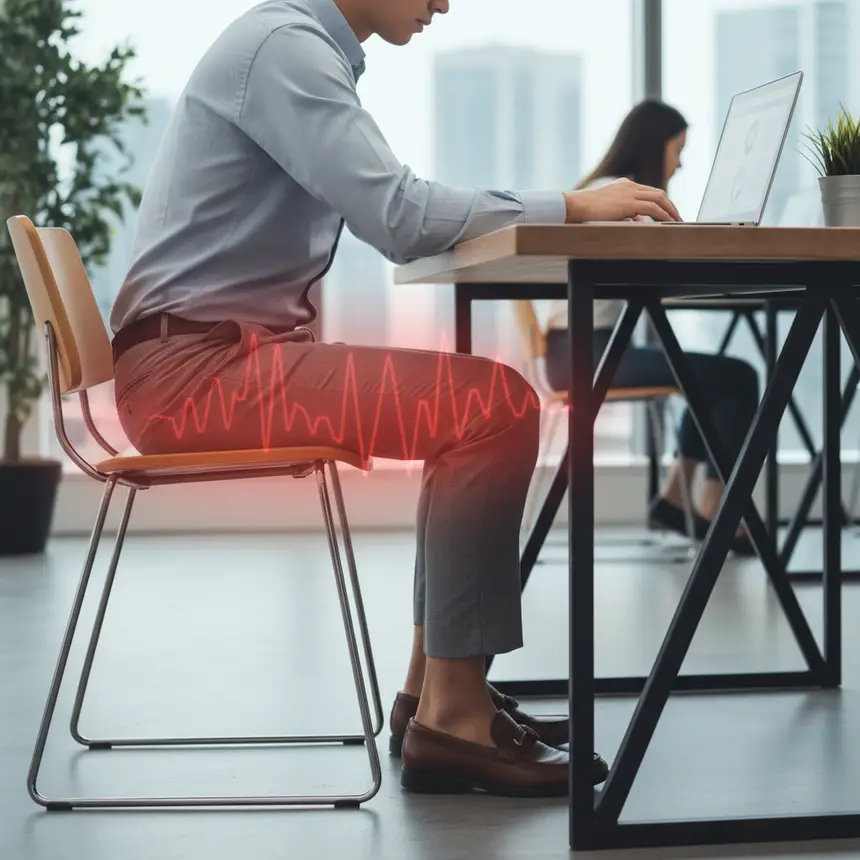
Many modern individuals, spending countless hours seated or standing, frequently experience lower back pain, leg numbness, and a general feeling of heaviness throughout their body. These issues often stem from an interconnected trio: pelvic misalignment, restricted hip joint mobility, and chronic lower body swelling. If you wake up with heavy legs or feel stiffness in your hips and pelvis when attempting certain positions, these are crucial signals your body is sending. Such problems aren't just minor inconveniences; they diminish your quality of movement and can sap your motivation, hindering a vibrant daily life. For instance, if tying your shoelaces or sitting on the floor requires noticeably more effort than it used to, it might indicate a decrease in hip flexibility. This article will delve into the root causes of these common issues and provide practical, effective solutions you can easily implement at home.
H2: A Step-by-Step Approach to Pelvic Balance and Hip Joint Freedom
An unstable pelvis and stiff hip joints primarily result from sedentary lifestyles, repetitive poor postures, and imbalanced use of specific muscle groups. This often creates a vicious cycle, impeding blood and lymphatic circulation, which exacerbates lower body swelling. To address these issues, it’s not enough to simply stretch; it's crucial to activate the deep muscles surrounding the pelvis and consciously acknowledge the movement within your hip joints.
- Pelvic Stabilization Exercises: While comfortably seated or lying down, gently tilt your pelvis back and forth, and side to side. During this movement, engage your core muscles slightly to ensure only your pelvis is moving, preventing your spine from moving excessively. Using a small ball or cushion under your lower back can help encourage more nuanced pelvic movements. Repeat 10-15 times slowly in each direction, focusing on finding your pelvic center.
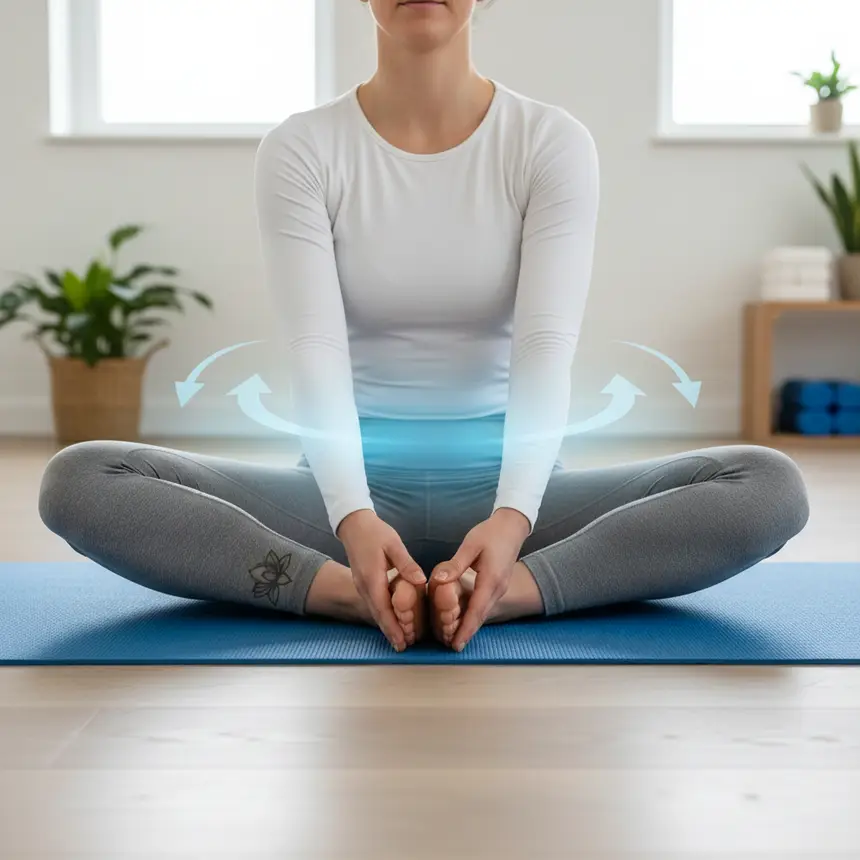
- Hip Mobility Enhancement Stretches: If your knees don't touch the floor in a tailor's pose (butterfly stretch), support them with pillows or blocks. Keep your torso upright and gently tilt your pelvis forward. Focus on feeling the inner hip joint opening, holding the stretch only within a pain-free range. Additionally, lying on your side and performing controlled leg circles helps lubricate and articulate the hip joint through its various ranges of motion. Perform 8-12 repetitions in each direction.
- Lower Body Circulation Boosters: Simple movements like flexing and extending your ankles or rotating your feet inwards and outwards while seated can activate your calf muscles, aiding blood and lymph circulation. Elevating your legs against a wall for 10-15 minutes before bed is also effective for reducing lower body swelling. These exercises don't require strenuous effort, making them perfect for integrating into your downtime, such as while watching TV or reading.
※ This post contains affiliate links. I may earn a commission at no extra cost to you.

H2: Consistency Creates Change: Your Guide to a Healthy Pelvis and Lighter Legs
Restoring pelvic balance and enhancing hip flexibility goes beyond just reducing pain; it contributes to overall postural improvement and increased energy levels. The exercises outlined above can be easily performed at home without special equipment, and a consistent effort of just 10-15 minutes daily can lead to significant positive changes. The key is not to attempt too many movements at once but rather to listen to your body, consistently practicing within a pain-free range.
- Action Summary:
- Incorporate pelvic stabilization exercises and hip stretches into your daily routine, even for short durations.
- Consciously strive to maintain good posture and avoid prolonged static positions by moving periodically.
- Relieve daily fatigue with light lower body circulation exercises before bedtime.
- Important Considerations:
- Always perform exercises within a pain-free range. If you feel sharp pain or discomfort, stop immediately and rest.
- If you have existing pain or a medical condition in a specific area, it's crucial to consult a healthcare professional before starting any new exercise regimen.
- While supportive tools can assist, it's more important to focus on movements driven by your own body rather than relying solely on aids. Through consistent practice, we hope you experience a more comfortable and vibrant daily life.
Frequently Asked Questions
Q. What symptoms might indicate pelvic misalignment?
A. Pelvic imbalance can manifest in various symptoms such as lower back pain, hip stiffness, apparent leg length discrepancy, uneven shoulder height, chronic lower body swelling, and discomfort when walking. In severe cases, it can affect overall posture, leading to neck pain or headaches.
Q. Why is improving hip flexibility so important?
A. The hip joint is one of the body's largest and plays a central role in all lower body movements, including walking, running, sitting, and standing. Good hip flexibility widens the range of motion, reduces injury risk, prevents muscle imbalances in surrounding areas, and aids blood circulation, positively impacting lower body swelling.
Q. What simple methods can I use at home to relieve lower body swelling?
A. At home, consistently performing ankle pumps, calf stretches, elevating your legs against a wall (legs up the wall pose), and gentle hip rotations can be beneficial. It's also important to avoid prolonged sitting or standing and to incorporate regular stretching breaks throughout your day.
Q. Do pelvic alignment exercises need to be done daily to be effective?
A. Yes, performing pelvic alignment exercises daily is most effective. It's best to engage in short, regular sessions, perhaps 10 minutes at a time, several times a day. Our bodies are highly responsive to habits, so consistent stimulation helps establish proper posture and muscle balance.