Kickstart your fitness with an easy-to-follow full-body workout routine designed for beginners. Learn effective movements, proper form, and safety tips for a healthier lifestyle!
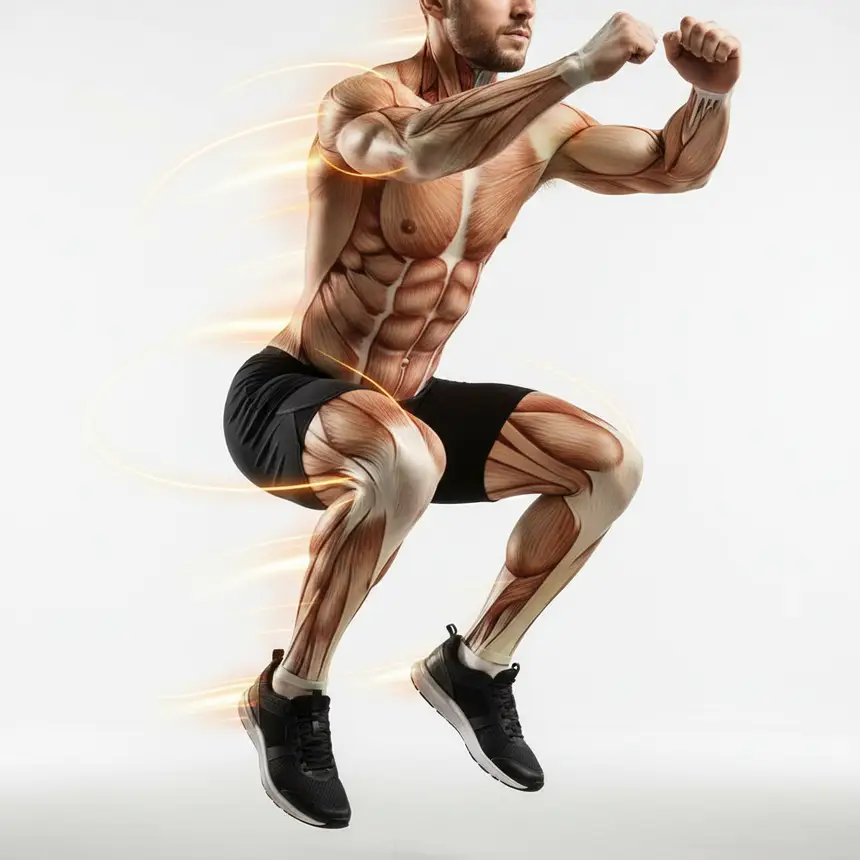
Unlock Your Potential: The Transformative Power of Full-Body Workouts
Starting your fitness journey can feel overwhelming, especially when you're unsure where to begin. That's where a full-body workout routine shines! It's an incredibly efficient strategy to engage all major muscle groups in one session, maximizing your effort and time. By working your arms, legs, back, chest, and core simultaneously, you build foundational strength across your entire body. This holistic approach not only boosts your overall physical capabilities but also significantly increases your metabolic rate, aiding effectively in fat loss. Embracing regular full-body workouts will leave you feeling energized and capable, enhancing everyday movements with greater ease and power. Consistent effort will undoubtedly lead to remarkable physical changes and a surge in self-confidence.
Your Step-by-Step Guide to a Beginner-Friendly Full-Body Routine
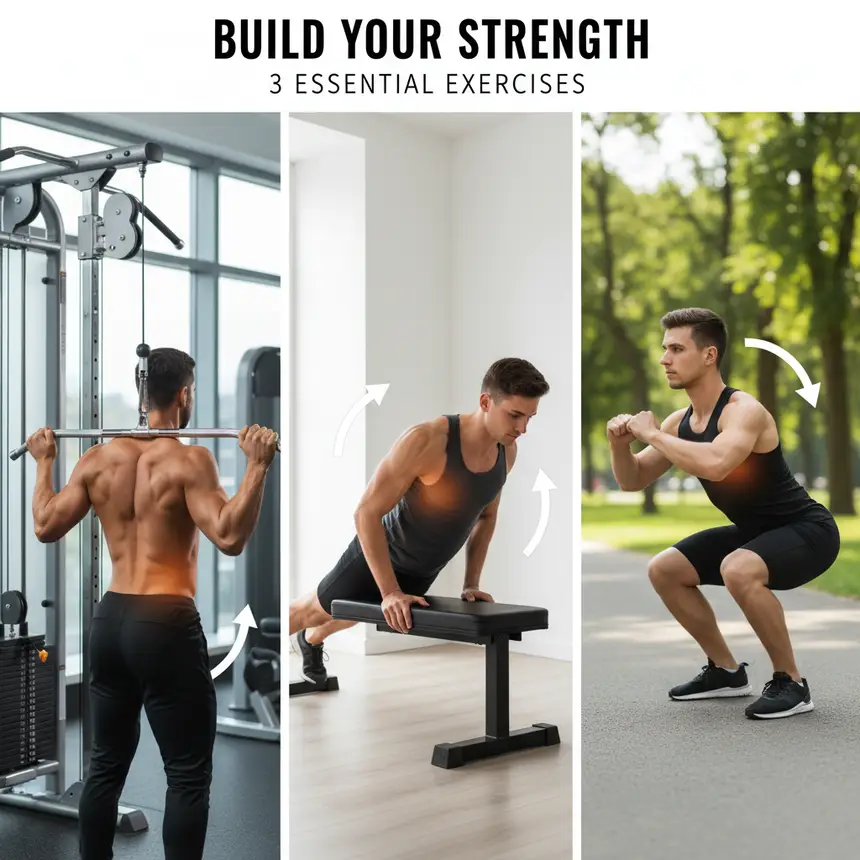
For beginners, mastering proper form is paramount in any full-body workout routine. Before diving into the main exercises, ensure you complete a thorough dynamic warm-up and some myofascial release to increase your range of motion and prevent injuries. Once warmed up, carefully follow these key movements. Aim for 15-20 repetitions for 3 sets per exercise, adjusting the reps or resistance to match your current fitness level.### Building a Strong Back: Engaging Your Core Powerhouse
A strong back is crucial for good posture and overall stability. For your back, consider 'Assisted Pull-downs' or 'Resistance Band Rows.' When performing these, focus on pulling from your back muscles (lats) rather than just your arms, squeezing your shoulder blades together. Ensure your chest is open, and you're not shrugging your shoulders. Concentrate on a slow, controlled movement to truly feel the muscle engagement.### Developing Your Chest: Sculpting a Balanced Upper Body
Chest exercises contribute to upper body strength and a well-defined physique. Start with 'Incline Push-ups' against a wall or sturdy bench, or 'Knee Push-ups' to get accustomed to the movement and feel the chest muscles working. As you gain strength, progress to standard push-ups. Next, the 'Dumbbell Chest Press' involves lying on a bench, holding appropriate light dumbbells, and pressing them upwards over your chest. Keep your elbows at a comfortable angle and focus on the contraction and extension of your chest muscles throughout the movement.### Fortifying Your Legs: The Foundation of Full-Body Strength
Your legs house the body's largest muscle groups, making leg exercises vital for boosting metabolism and enhancing endurance. The fundamental 'Bodyweight Squat' is a must: stand with feet shoulder-width apart, and lower your hips as if sitting into a chair. Keep your back straight, engage your core, and ensure your knees don't track excessively past your toes. Following squats, incorporate 'Single-Leg Romanian Deadlifts' (RDLs) to improve balance and target your hamstrings and glutes. Begin without weights, balancing on one leg while extending the other straight back, lowering your torso. As you become more proficient, you can gradually add light dumbbells or a kettlebell for increased challenge.
A strong back is crucial for good posture and overall stability. For your back, consider 'Assisted Pull-downs' or 'Resistance Band Rows.' When performing these, focus on pulling from your back muscles (lats) rather than just your arms, squeezing your shoulder blades together. Ensure your chest is open, and you're not shrugging your shoulders. Concentrate on a slow, controlled movement to truly feel the muscle engagement.### Developing Your Chest: Sculpting a Balanced Upper Body
Chest exercises contribute to upper body strength and a well-defined physique. Start with 'Incline Push-ups' against a wall or sturdy bench, or 'Knee Push-ups' to get accustomed to the movement and feel the chest muscles working. As you gain strength, progress to standard push-ups. Next, the 'Dumbbell Chest Press' involves lying on a bench, holding appropriate light dumbbells, and pressing them upwards over your chest. Keep your elbows at a comfortable angle and focus on the contraction and extension of your chest muscles throughout the movement.### Fortifying Your Legs: The Foundation of Full-Body Strength
Your legs house the body's largest muscle groups, making leg exercises vital for boosting metabolism and enhancing endurance. The fundamental 'Bodyweight Squat' is a must: stand with feet shoulder-width apart, and lower your hips as if sitting into a chair. Keep your back straight, engage your core, and ensure your knees don't track excessively past your toes. Following squats, incorporate 'Single-Leg Romanian Deadlifts' (RDLs) to improve balance and target your hamstrings and glutes. Begin without weights, balancing on one leg while extending the other straight back, lowering your torso. As you become more proficient, you can gradually add light dumbbells or a kettlebell for increased challenge.
※ This post contains affiliate links. I may earn a commission at no extra cost to you.

Maximizing Results: Safety First and Who Can Benefit
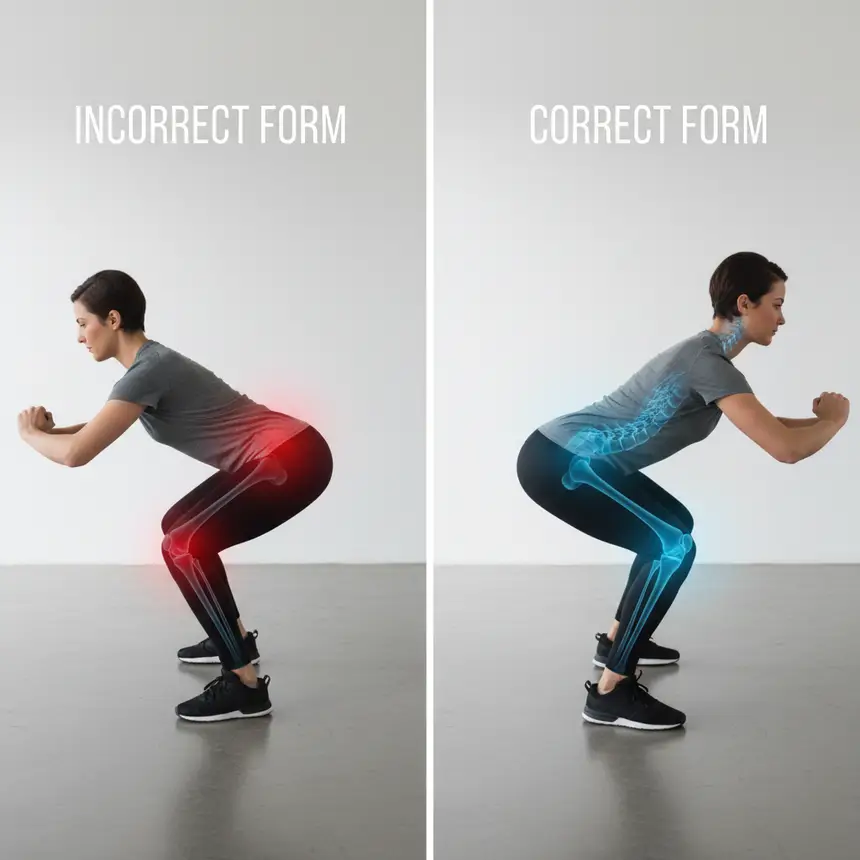
While consistency is key in exercise, overzealousness can lead to injuries. When performing a full-body workout routine, it's crucial to keep a few safety measures in mind. First and foremost, always prioritize proper form for every exercise. Incorrect form can prevent target muscles from activating effectively and place undue stress on joints, leading to pain or injury. Use a mirror or consider consulting a fitness professional to refine your technique. Secondly, choose weights and repetitions that align with your current physical capabilities. Instead of attempting heavy loads too soon, focus on lighter weights with higher repetitions to truly feel the muscle working, gradually increasing intensity over time. This progressive approach is far more effective and safer in the long run.This comprehensive full-body workout routine is highly recommended for beginners just embarking on their fitness journey, individuals with busy schedules looking for an efficient full-body session, and anyone aiming to improve their overall physical fitness and achieve fat loss. By embracing consistent effort and correct methods, you’ll forge a healthier, more vibrant lifestyle.
Frequently Asked Questions
Q. How often should I do a full-body workout routine?
A. For beginners, training 2-3 times per week is generally recommended. It's beneficial to include a rest day between workouts to allow your muscles to recover and grow, which is crucial for progress and injury prevention.
Q. What's the best way for a beginner to choose weights?
A. Start with bodyweight exercises or very light weights (e.g., 2-5 lb dumbbells) to focus on mastering the correct form. The ideal weight allows you to complete 15-20 repetitions with good technique, feeling the muscle work effectively in the last few reps.
Q. Is stretching really necessary before a workout?
A. Absolutely. Performing dynamic stretches before your workout is crucial. It helps increase your range of motion, improve blood flow to the muscles, enhance workout performance, and significantly reduce the risk of injury. Dynamic stretching, involving movement, is generally more effective pre-workout than static stretching.