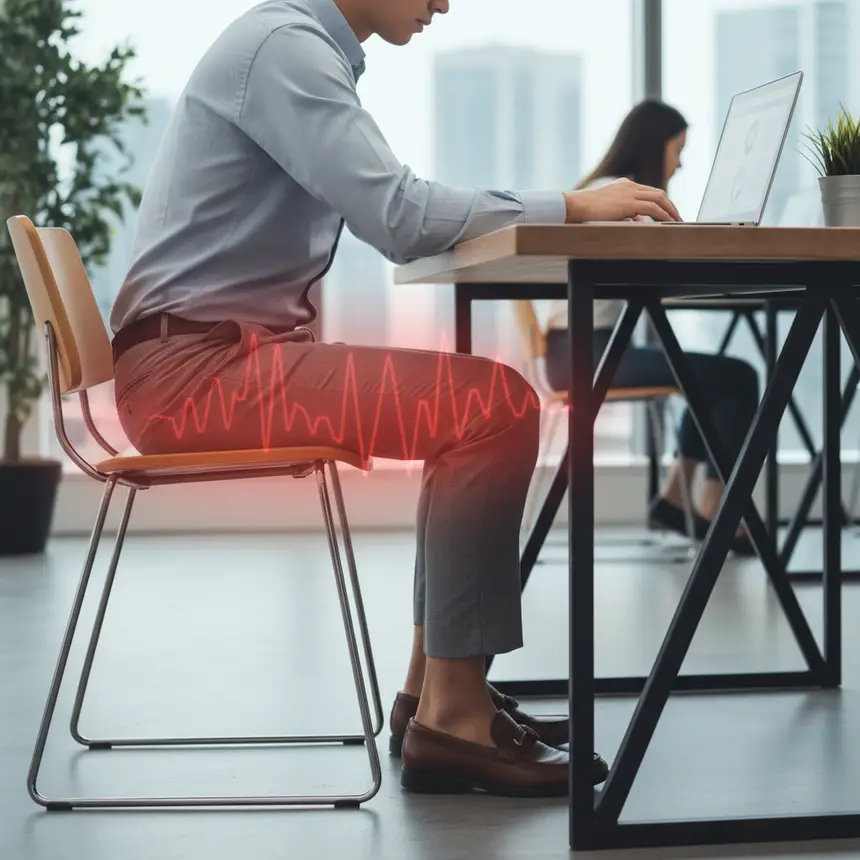
Struggling with post-workout muscle soreness and fatigue? Discover smart recovery strategies using percussive therapy devices for deep muscle relief. Learn how to manage your body effectively, accelerate recovery, and maintain peak performance.

Are You Effectively Managing Post-Workout Muscle Soreness?
That familiar ache and stiffness after an intense workout is a universal experience for fitness enthusiasts. Do you ever feel that simple rest or stretching just isn't enough to fully alleviate deep-seated muscle fatigue? Effective post-exercise recovery isn't just about reducing discomfort; it's a critical component for boosting performance and preventing injuries. It's time to adopt a more proactive and profound approach to muscle care and recovery.
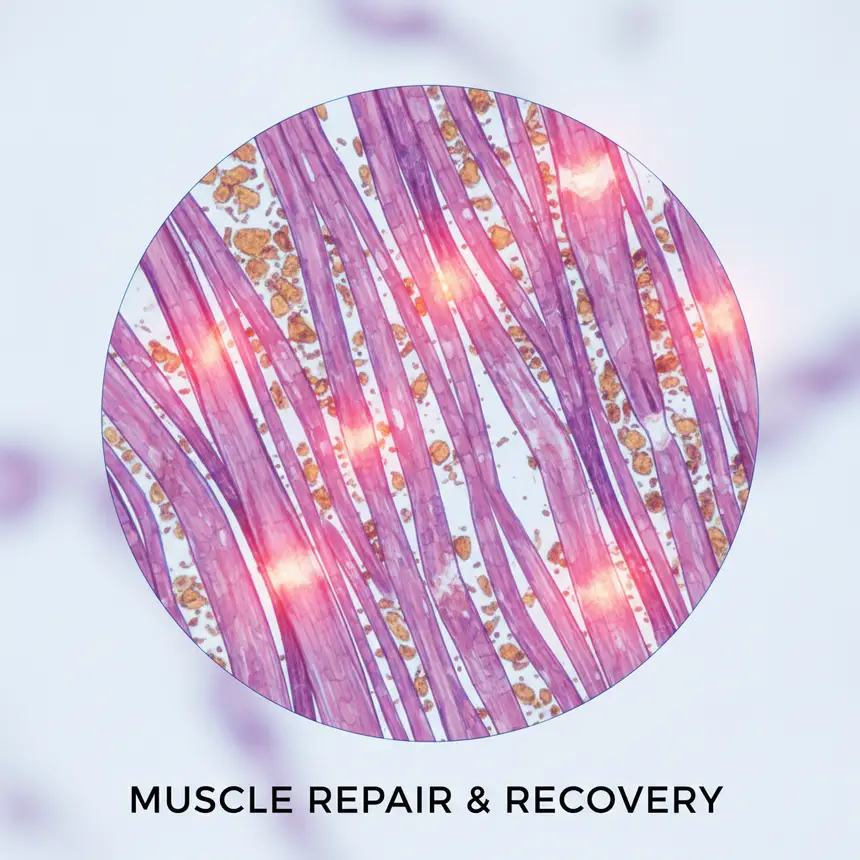
Why Do Muscle Fatigue and Pain Occur After Exercise?
Post-workout muscle soreness and fatigue primarily stem from microscopic muscle fiber damage and subsequent inflammatory responses. High-intensity exercises can cause tiny tears in your muscle fibers, leading to Delayed Onset Muscle Soreness (DOMS). This process involves the accumulation of metabolic waste and impaired blood circulation, resulting in stiffness and pain. While general stretching helps with superficial relaxation, it often has limitations for deep muscle knots or improving blood flow. Thus, active recovery methods that stimulate deep muscle tissues to promote circulation and aid waste removal are essential.
※ This post contains affiliate links. I may earn a commission at no extra cost to you.

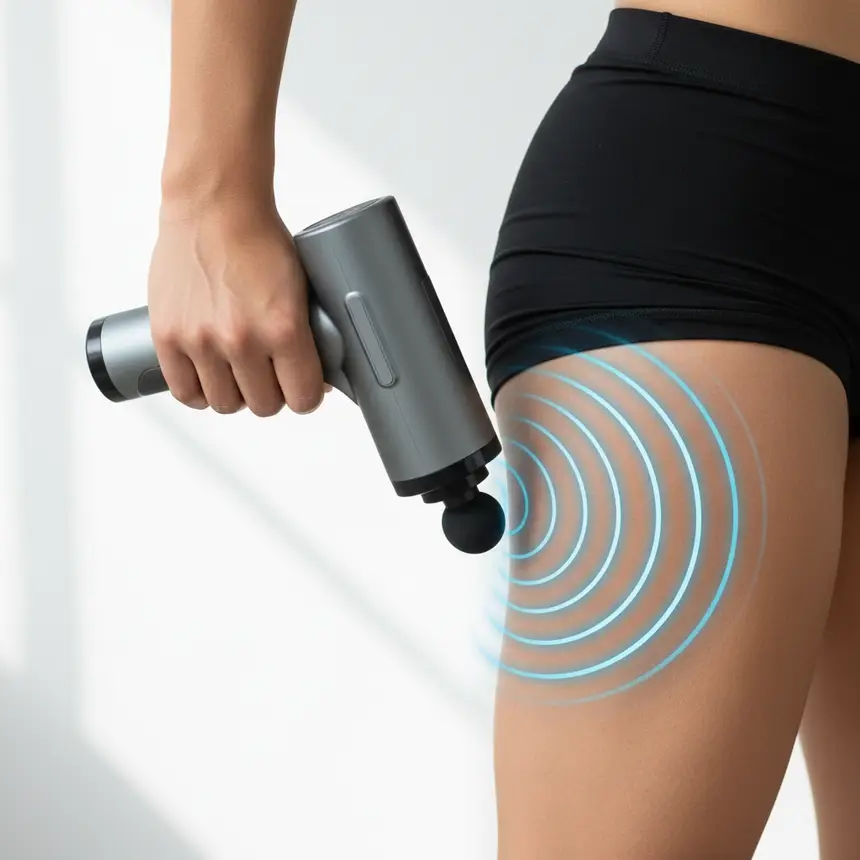
The Power of Percussive Therapy for Deep Muscle Release
One highly effective method for post-workout recovery involves utilizing percussive therapy. These recovery devices deliver rapid, targeted pressure and vibrations deep into muscle tissues via a high-speed oscillating head. This action helps to loosen tight muscles and alleviate tension. The vibrations stimulate blood circulation, ensuring nutrient supply and aiding in the removal of waste products. With various massage head attachments and multiple intensity levels, these devices can be precisely tailored to different body parts. This customized application of pressure and vibration significantly helps improve muscle flexibility and range of motion, preparing your body for optimal performance.
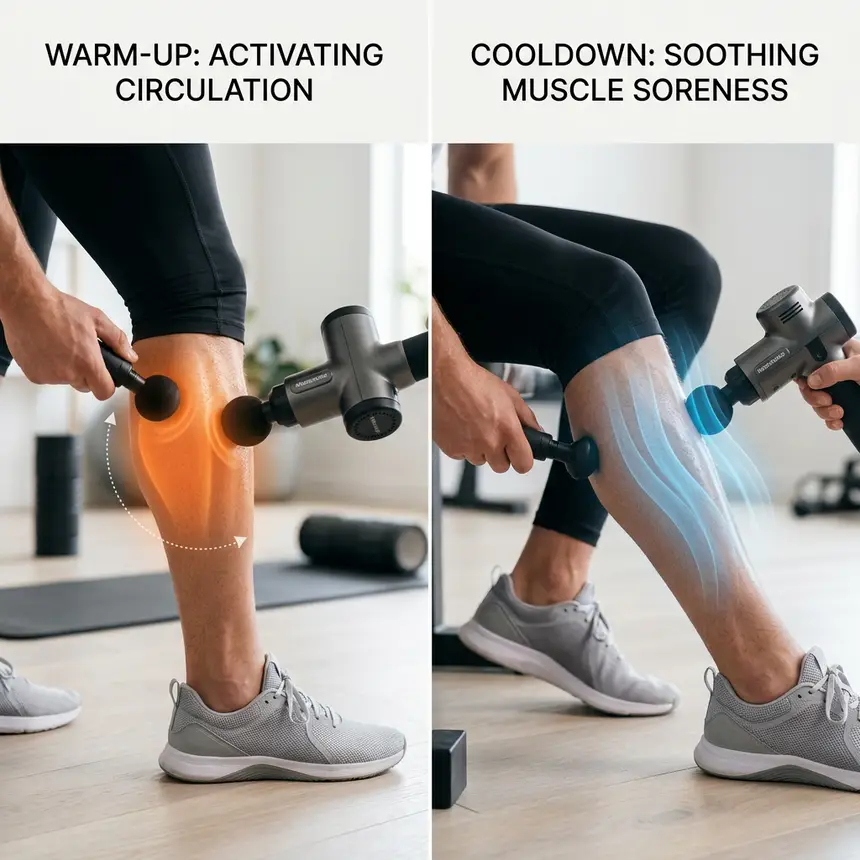
Smart Recovery Routine: Practical Tips for Everyday Integration
Here are some actionable tips for effectively integrating a percussive therapy recovery device into your daily life and workout routine:
1. Pre-Workout Warm-up: Gently massage muscles for 30 seconds to 1 minute at a low intensity to increase blood flow, enhance flexibility, and reduce injury risk.
2. Post-Workout Cool-down: Immediately after or within a few hours of your workout, apply medium intensity for 1-2 minutes on fatigued muscle areas to reduce lactic acid buildup and promote recovery.
3. Daily Tension Relief: For stiffness in your neck, shoulders, or lower back from prolonged sitting or standing, gentle low-intensity massage can help relieve tension.
4. Correct Usage: Always start with the lowest intensity, avoid staying on one spot for too long, and do not use directly on bones or joints.
1. Pre-Workout Warm-up: Gently massage muscles for 30 seconds to 1 minute at a low intensity to increase blood flow, enhance flexibility, and reduce injury risk.
2. Post-Workout Cool-down: Immediately after or within a few hours of your workout, apply medium intensity for 1-2 minutes on fatigued muscle areas to reduce lactic acid buildup and promote recovery.
3. Daily Tension Relief: For stiffness in your neck, shoulders, or lower back from prolonged sitting or standing, gentle low-intensity massage can help relieve tension.
4. Correct Usage: Always start with the lowest intensity, avoid staying on one spot for too long, and do not use directly on bones or joints.
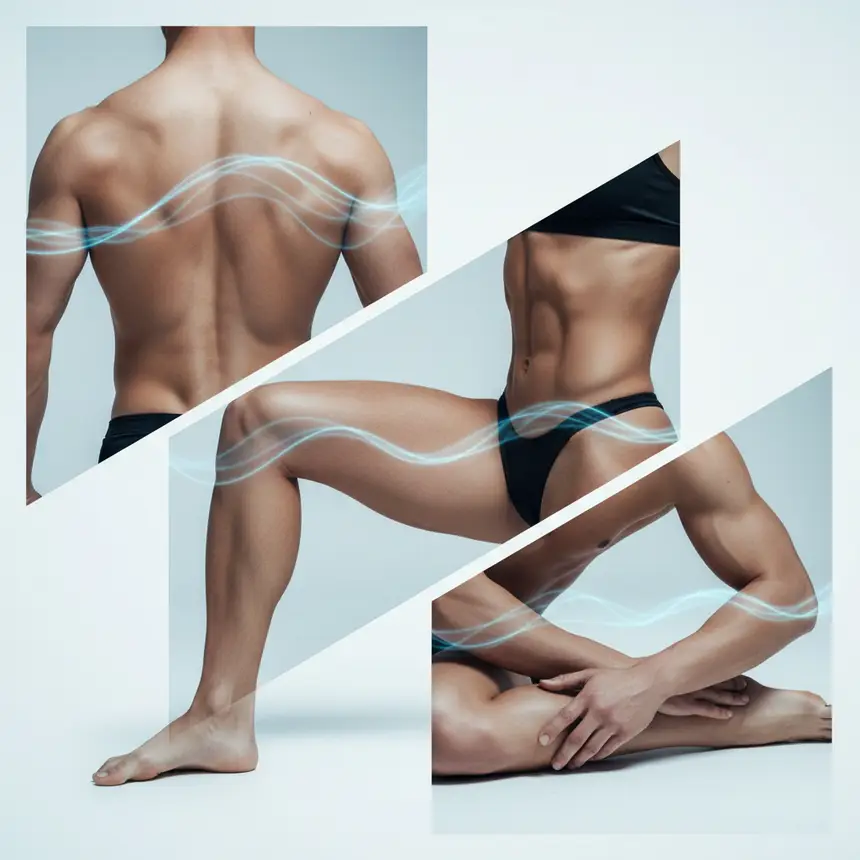
Effective Recovery: A Crucial Element for Enhanced Performance
Today, exercise demands systematic management and recovery. Post-workout recovery dictates the quality of your next session and is a crucial investment for long-term performance and health. Modern solutions like percussive therapy devices make this process efficient and profound. Beyond pain relief, they enhance muscle flexibility and improve blood circulation, maximizing your body's natural healing capabilities. Through smart recovery strategies, you can keep your body in optimal condition and achieve higher fitness goals. Consistently prioritizing recovery will help you sustain a healthy and vibrant active lifestyle.
Frequently Asked Questions
Q. When is the best time to use a percussive therapy device?
A. It's most effective as a pre-workout warm-up to relax muscles and boost blood flow, and during the post-workout cool-down phase to relieve muscle fatigue and aid recovery. You can also use it in daily life to loosen tight or tense muscles.
Q. Which body parts are best to focus on?
A. Primarily focus on large muscle groups or areas that experience concentrated fatigue after exercise, such as thighs, calves, glutes, shoulders, and the back. For areas prone to tension like the neck or lower back, use it gently at a low intensity, but avoid direct contact with bones or joints.
Q. How should I adjust the vibration intensity?
A. Always start with the lowest intensity and gradually increase it while observing your body's reaction. It's best to find an intensity that feels comfortable without causing pain. Maintain a particularly low intensity for areas you're using it on for the first time or sensitive spots.
Q. What should I consider when choosing a portable recovery device?
A. If portability is a priority, opt for a lightweight and compact design. You should also consider battery life, charging method (like USB-C), and whether it comes with a variety of massage heads. Noise level and grip comfort are also important factors.