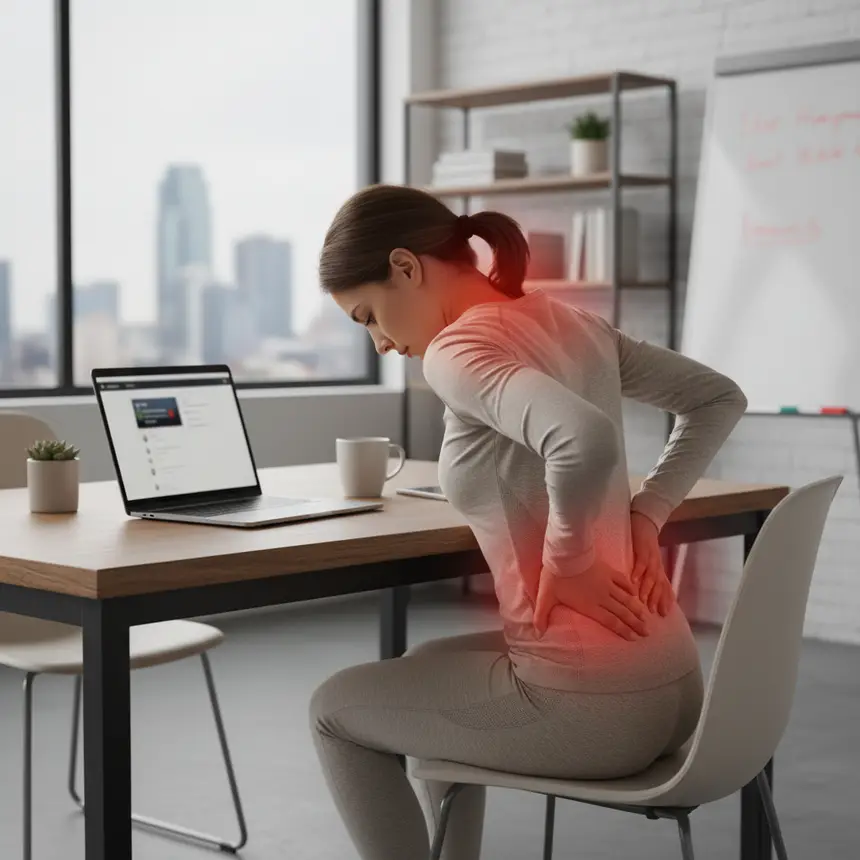
Struggling with weight loss as an office worker? Discover practical strategies for managing body fat and achieving healthy weight goals amidst a busy schedule and sedentary lifestyle.

Struggling with Weight Loss as an Office Worker? You're Not Alone
Do you find yourself constantly battling the bulge, only to feel defeated by another failed diet attempt? If you're an office worker, navigating the demands of your job while trying to maintain a healthy weight can feel like an uphill battle. Long hours spent seated at a desk, tight deadlines, and work-related stress often leave little room for exercise or mindful eating. Irregular meal times, grabbing quick and often unhealthy lunches, and succumbing to stress-induced cravings for sugary snacks or rich, fatty foods become the norm. Add to that frequent team dinners or after-work gatherings, and it's easy to see how your best intentions can quickly unravel. These aren't just personal willpower issues; they're systemic challenges embedded in the modern office lifestyle. But don't despair! Today, we'll explore practical strategies to help you achieve sustainable weight and body fat management, even amidst your busy schedule.
The Sedentary Trap: Why Desk Jobs Lead to Weight Gain
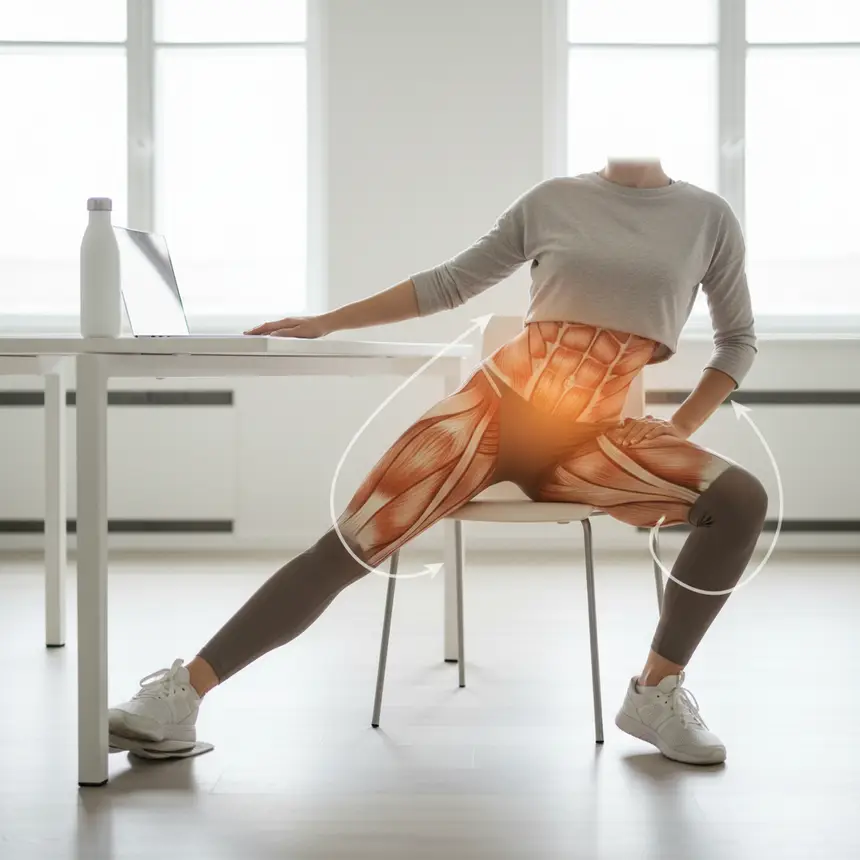
For many office workers, spending eight or more hours glued to a chair is a daily reality. This prolonged sedentary behavior drastically reduces physical activity, slowing down your metabolism and creating an environment where body fat tends to accumulate, particularly around the midsection and lower body. Poor circulation, leg swelling, and general stiffness are common side effects. Finding time for even a short walk after lunch can be a luxury, let alone committing to a consistent exercise routine after a long, exhausting workday. Irregular eating patterns further compound the problem. Skipping breakfast, grabbing an unsatisfying lunch, overeating at dinner, stress-fueled binges, and late-night snacking create a vicious cycle that directly contributes to weight gain. This lifestyle doesn't just impact the numbers on your scale; it can negatively affect your overall health and well-being.
※ This post contains affiliate links. I may earn a commission at no extra cost to you.


Smart Strategies for Effective Body Fat Management
Successful weight management for office workers isn't about extreme diets or punishing workouts; it's about adopting realistic, sustainable methods. First, focus on balanced nutrition without starvation. Prioritize lean proteins, plenty of vegetables, and a moderate intake of whole-grain carbohydrates. Second, integrate short bursts of activity and simple stretches into your workday. A brisk 10-minute walk during lunch or quick desk stretches for your neck, shoulders, and legs can improve circulation and alleviate stiffness. Third, consider smart use of dietary supplements that support body fat management in your busy life. Ingredients like Coleus Forskohlii extract or Garcinia Cambogia extract are known for their potential to aid in fat reduction. Many convenient formulations combine multiple beneficial ingredients into a single, easy-to-take capsule, making consistent intake much simpler. For those who find large pills challenging, selecting smaller, compact supplements packed with key nutrients can be a game-changer.

Building Sustainable Habits in Your Hectic Day
Sustainable weight loss isn't born from drastic measures, but from small, consistent changes in your daily routine. Start by incorporating simple habits: drink a glass of water first thing in the morning, walk an extra block on your commute, take a short stroll during your lunch break to get some fresh air, or opt for stairs instead of the elevator. When snack cravings hit, reach for healthier alternatives like nuts or fruit instead of processed treats. For days when you know you'll consume more carbohydrates or have a dinner engagement, consider taking a dietary supplement beforehand. This not only aids in fat management but can also reduce feelings of guilt, fostering a more positive mindset for long-term success. After work, wind down with a soothing herbal tea instead of a late-night snack, and prioritize quality sleep. These small, consistent routines will play a crucial role in building and maintaining a lean, healthy physique.

Your Path to Lasting Transformation Starts Today
Weight management as an office worker is undoubtedly challenging, but with the right strategy and perseverance, success is within reach. Starvation diets or excessive self-discipline might yield quick results, but they often lead to nutrient deficiencies, slower metabolism, the dreaded rebound effect, and potential harm to your health. Instead, adopt a realistic approach that counters the drawbacks of a sedentary lifestyle, balances irregular eating habits, and intelligently incorporates supportive dietary aids when needed. Start with small changes today. A lunchtime walk, a commitment to consistent hydration, healthier snack choices, and a suitable supplement can all become achievable parts of your health routine, even in your busiest moments. For a vibrant, healthy life every day of the year, challenge yourself to build a 'healthy routine tailored for you' instead of resorting to crash diets. Consistency is key, and those small habits will accumulate into significant transformation. We're here to cheer you on every step of your health journey!
Frequently Asked Questions
Q. What's the very first step an office worker should take to lose weight effectively?
A. The initial step is to honestly assess your current lifestyle and set small, achievable goals rather than unrealistic ones. For instance, commit to a 10-minute walk after lunch or gradually increase your daily water intake.
Q. Are there any simple exercises or stretches I can do at my desk?
A. Absolutely! Try neck rolls, shoulder shrugs, leg lifts while seated, and ankle rotations. Utilizing your lunch break for a short walk around the office building or taking the stairs instead of the elevator are also great options.
Q. How can I manage my diet when there are frequent office lunches or after-work gatherings?
A. Eat a small, protein-rich snack before the event to prevent overeating. During the meal, prioritize vegetables, limit alcohol, drink plenty of water, and try to avoid overly salty dishes.
Q. What should I look for in a dietary supplement to support my weight management goals?
A. Look for supplements containing well-researched ingredients recognized for their efficacy (e.g., Coleus Forskohlii extract, Garcinia Cambogia extract). Ensure it aligns with your health status and goals, and choose a form that's convenient for consistent daily intake.
Q. Why is a balanced approach to weight loss, rather than extreme dieting, more effective in the long run?
A. Extreme diets often lead to nutritional deficiencies and a slowed metabolism, making long-term weight loss difficult and often resulting in rebound weight gain. A balanced approach focuses on sustainable eating and activity habits that support both physical and mental well-being.