Why do runners often hit the wall in the later stages of long-distance races? This article reveals an optimized nutrition strategy for enhancing endurance and recovery, offering practical meal management tips. Discover how a consistent nutrition routine can maximize your training effects and help you run stronger, longer.

Long-Distance Running: Why Do We Always "Hit the Wall" Towards the End?
If you're a long-distance runner or a marathon enthusiast, you've probably experienced it: that feeling when your pace, smooth at the start, begins to falter around the 10km mark, and by 15km, your energy rapidly depletes, making the final stretch past 20km a grueling struggle to merely finish. Despite rigorous training, you constantly find yourself held back by dwindling performance in the latter half of the race. What truly causes this dip in condition? Is it simply a lack of stamina? Today, we'll delve into smart nutrition strategies for marathon completion, uncovering the secrets to running stronger and holding off fatigue.
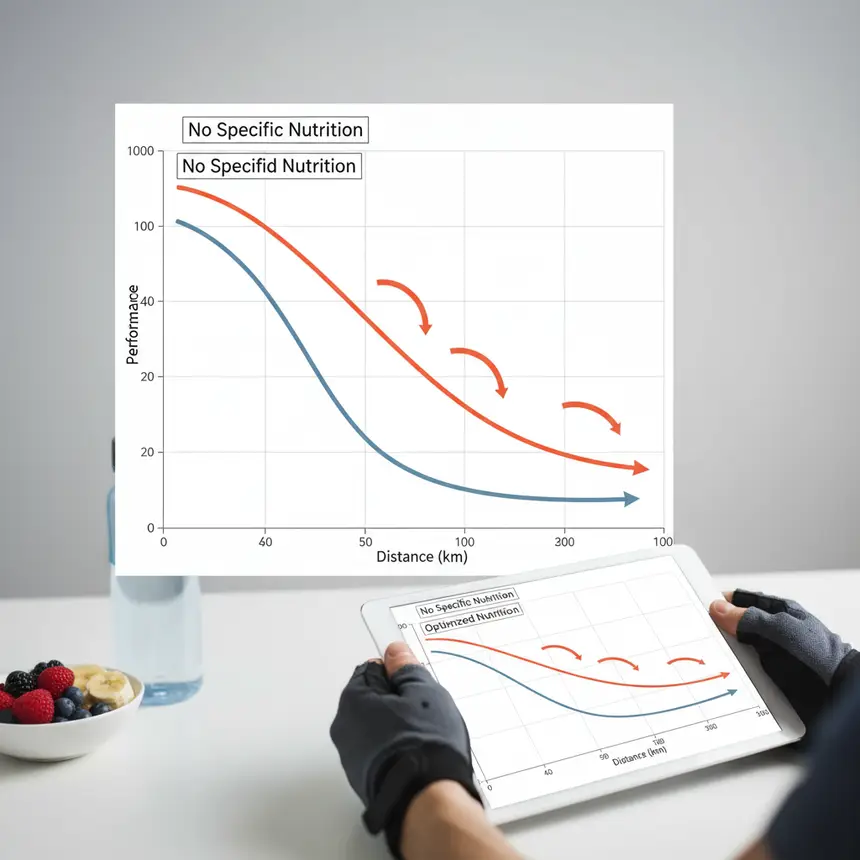
Beyond Stamina: The Real Reasons for Performance Drop-Off in Long Runs
The primary causes of late-race pace drops in long-distance running are "energy management failures" and a "breakdown in recovery mechanisms." For shorter distances like 5km or 8km, dietary impact might be minimal, but once you pass 10km, your body starts depleting its stored energy. This issue becomes critical for maintaining condition after 15km, and by the 20km mark, the importance of nutrition becomes undeniable.
- Insufficient Carbohydrate Stores: Glycogen, the main energy source for prolonged exercise, when depleted, leads to rapid fatigue and a significant drop in speed.
- Electrolyte Imbalance: Loss of vital electrolytes through sweat can cause muscle cramps, dehydration, and decreased performance if not replenished.
- Delayed Recovery: Inadequate nutrition after intense training delays muscle repair, negatively impacting subsequent training sessions.
※ This post contains affiliate links. I may earn a commission at no extra cost to you.


Sustained Performance: The Power of a Routine-Based Nutrition Strategy
The key to overcoming energy depletion and delayed recovery in long-distance running is a "consistent, routine-based nutrition management." This involves a tailored nutritional supply, aligned with your training schedule and body's responses, focused on stable energy provision and enhanced recovery during exercise.
This routine-based approach offers distinct advantages:
1. Sustained Energy Diet: Prioritizes complex carbohydrates for steady, long-term energy release, delaying the point of exhaustion.
2. Training Phase-Specific Nutrition: Light jogging phases benefit from easily digestible meals, while high-intensity workouts like intervals require nutrition focused on muscle recovery and energy replenishment. This ensures consistent recovery without post-workout heavy legs.
3. Delayed Fatigue Onset: Consistent application reduces concentration drop-off after 10km and pace fluctuations from 12-13km. What used to be a sharp decline after 17-18km now becomes a more gradual, sustained effort extending past 20km, offering a clear experience of "significantly extended endurance capacity."
This systematic nutrition management strengthens the crucial "maintenance zone" of marathon training, typically between 10km and 25km.
This routine-based approach offers distinct advantages:
1. Sustained Energy Diet: Prioritizes complex carbohydrates for steady, long-term energy release, delaying the point of exhaustion.
2. Training Phase-Specific Nutrition: Light jogging phases benefit from easily digestible meals, while high-intensity workouts like intervals require nutrition focused on muscle recovery and energy replenishment. This ensures consistent recovery without post-workout heavy legs.
3. Delayed Fatigue Onset: Consistent application reduces concentration drop-off after 10km and pace fluctuations from 12-13km. What used to be a sharp decline after 17-18km now becomes a more gradual, sustained effort extending past 20km, offering a clear experience of "significantly extended endurance capacity."
This systematic nutrition management strengthens the crucial "maintenance zone" of marathon training, typically between 10km and 25km.

Tips for Consistent Nutrition: Harnessing Convenience and Routine
Even the best nutrition strategy is ineffective if it's not consistently followed. Many runners lament that "diet management is the most bothersome part" and often abandon their routines. Therefore, establishing a successful running nutrition routine requires prioritizing convenience and consistency.
Here are practical tips to help you effectively maintain your nutrition regimen:
1. Planned Meal Prep: Dedicate time on weekends to plan weekly meals, purchase ingredients, or pre-cook and portion dishes. This proactive preparation is crucial for preventing diet derailment during busy weekdays.
2. Utilize Pre-Packaged Meal Services: If cooking isn't feasible, consider services offering individually packaged meals designed for runners' needs. This reduces meal-planning stress and helps maintain consistency.
3. Consider Delivery Services: For early morning runners, leveraging an overnight fresh meal delivery service can be a game-changer. It saves prep time, making it easier to stick to your diet.
4. Implement Gradual Changes: Avoid overhauling your entire diet at once. Start by modifying breakfast or pre/post-workout snacks, then gradually integrate changes into your main meals as your body adapts.
These efforts, while minor, accumulate. You might not notice a significant difference in the first week, but by week two, recovery rates stabilize, and by week three, your ability to sustain long runs improves, leading to a noticeable reduction in "performance variance."
Here are practical tips to help you effectively maintain your nutrition regimen:
1. Planned Meal Prep: Dedicate time on weekends to plan weekly meals, purchase ingredients, or pre-cook and portion dishes. This proactive preparation is crucial for preventing diet derailment during busy weekdays.
2. Utilize Pre-Packaged Meal Services: If cooking isn't feasible, consider services offering individually packaged meals designed for runners' needs. This reduces meal-planning stress and helps maintain consistency.
3. Consider Delivery Services: For early morning runners, leveraging an overnight fresh meal delivery service can be a game-changer. It saves prep time, making it easier to stick to your diet.
4. Implement Gradual Changes: Avoid overhauling your entire diet at once. Start by modifying breakfast or pre/post-workout snacks, then gradually integrate changes into your main meals as your body adapts.
These efforts, while minor, accumulate. You might not notice a significant difference in the first week, but by week two, recovery rates stabilize, and by week three, your ability to sustain long runs improves, leading to a noticeable reduction in "performance variance."

Nutrition as Important as Training: The Power of Consistent Finishes
In the journey to complete a marathon and achieve a personal best, consistent nutrition management is as crucial as training intensity. It's not about a single great run, but about enabling "ten stable runs," and a well-designed nutrition routine is the key. When we break down the 42.195km marathon course, we can identify three key phases: 0-10km as the 'comfortable zone,' 10-25km as the 'maintenance zone,' and 25km onwards as the 'endurance zone.' The real determinant of your finish time and overall satisfaction is the 'maintenance zone' from 10km to 25km. Efficiently managing your energy in this segment is paramount to the success of your entire marathon.
A running nutrition strategy is far more than just filling your stomach. It's an essential "routine-based support system" that works hand-in-hand with your training to stabilize your condition, delay late-race energy depletion, and accelerate recovery. Systematic nutritional care will be a powerful ally, empowering you to train consistently, experience better performance, and ultimately achieve your marathon goals. Now, take stock of your nutrition strategy and embrace a new routine for stronger, healthier running!
A running nutrition strategy is far more than just filling your stomach. It's an essential "routine-based support system" that works hand-in-hand with your training to stabilize your condition, delay late-race energy depletion, and accelerate recovery. Systematic nutritional care will be a powerful ally, empowering you to train consistently, experience better performance, and ultimately achieve your marathon goals. Now, take stock of your nutrition strategy and embrace a new routine for stronger, healthier running!
Frequently Asked Questions
Q. What should I eat the day before a long run?
A. Focus on easily digestible complex carbohydrates (e.g., rice, pasta, potatoes) to maximize glycogen stores. It's best to avoid high-fiber or fatty foods that could cause digestive upset.
Q. What kind of nutrition do I need during a long run?
A. For runs over an hour, carbohydrate replenishment is crucial. Aim for 30-60g of carbs every 30-60 minutes from sports drinks or energy gels. Also, consistently hydrate with water and electrolyte drinks.
Q. Any tips for post-run muscle recovery meals?
A. Within 30 minutes post-run, consume a mix of carbohydrates and protein in a 3:1 or 4:1 ratio to aid glycogen resynthesis and muscle repair effectively. (e.g., chicken sandwich, protein shake with banana)
Q. What's the main difference between a general healthy diet and a running diet?
A. A general healthy diet focuses on overall nutritional balance, whereas a running diet is specialized for enhancing athletic performance and recovery, particularly in terms of carbohydrate quantity, timing, and routine structure.
Q. I find diet management difficult to stick to. Any advice for consistency?
A. Convenience is key. Plan your weekly meals in advance, consider using specialized meal prep services for runners, or utilize overnight delivery services to reduce the burden of meal preparation and maintain consistency.