Your comprehensive guide to starting a yoga practice. Compare public facilities and private studios, evaluating environments, costs, and instructor expertise to find your optimal yoga experience and embrace a healthier you.

H2: Embarking on Your Yoga Journey: A Path to Wellness
Many people kickstart their health goals at the beginning of the year or when seeking a positive lifestyle change, and yoga often tops the list. It’s a holistic practice known for bringing balance to body and mind, reducing stress, and enhancing flexibility and strength. However, the initial enthusiasm often hits a snag: "Where should I practice yoga, and with whom?" The truth is, to maximize the numerous yoga benefits, selecting the right practice environment and instructor is paramount. It's the first crucial step in your journey. Before diving in, take a moment to clearly define what you hope to achieve through your yoga practice. Setting clear intentions will guide you toward the perfect choice for your wellness goals.
H2: Navigating Your Options: Public Centers vs. Private Yoga Studios
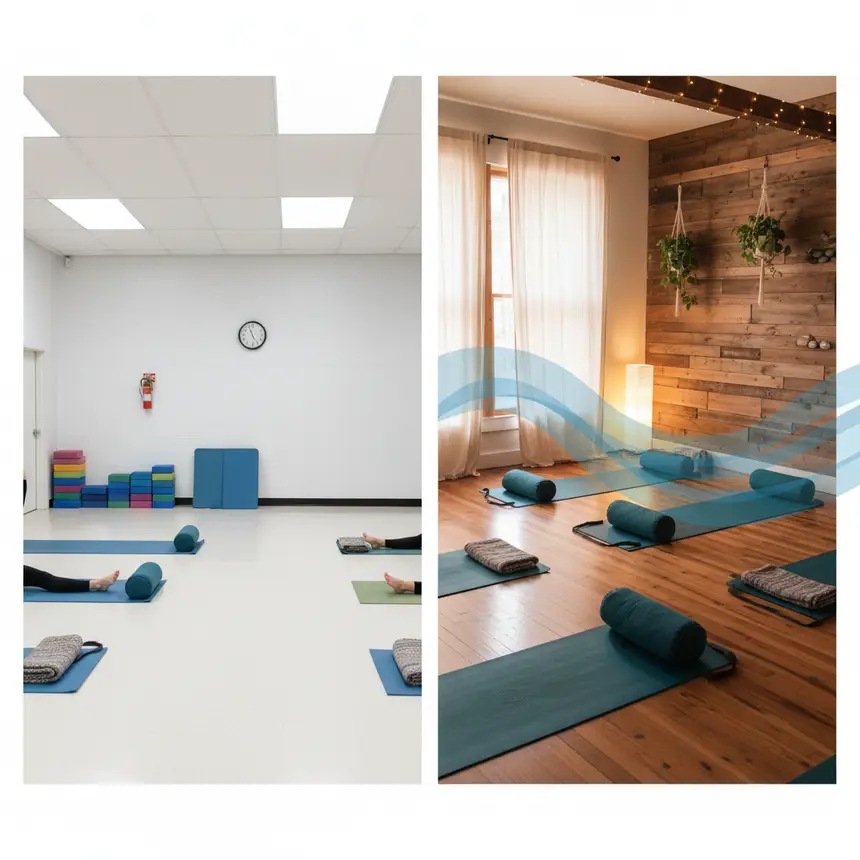
When choosing a yoga class, many tend to focus primarily on the cost. However, the actual practice environment significantly impacts your overall yoga benefits and experience. Public institutions, such as community or cultural centers, often host yoga programs in multi-purpose rooms. These spaces are typically functional and clean, illuminated by bright fluorescent lights, and sometimes shared with other activities. While they offer excellent accessibility and affordable pricing, this utilitarian setting can occasionally hinder focus or make it challenging to immerse yourself in the serene atmosphere characteristic of yoga. In contrast, private yoga studios often invest heavily in their interiors, creating spaces optimized for meditation and mindful practice. They frequently feature natural materials, soft ambient lighting, and essential oils to foster a calming and centering ambiance. Many private studios even choose not to have large mirrors, encouraging practitioners to focus inward on their own breath and movement rather than external appearance. Consider what kind of atmosphere best supports your personal yoga practice style. Do you thrive in a quiet, dedicated space, or do you prefer the vibrant energy of a group class in a more general fitness setting?
※ This post contains affiliate links. I may earn a commission at no extra cost to you.

H2: The Crucial Choice: Selecting a Yoga Instructor for Deeper Practice
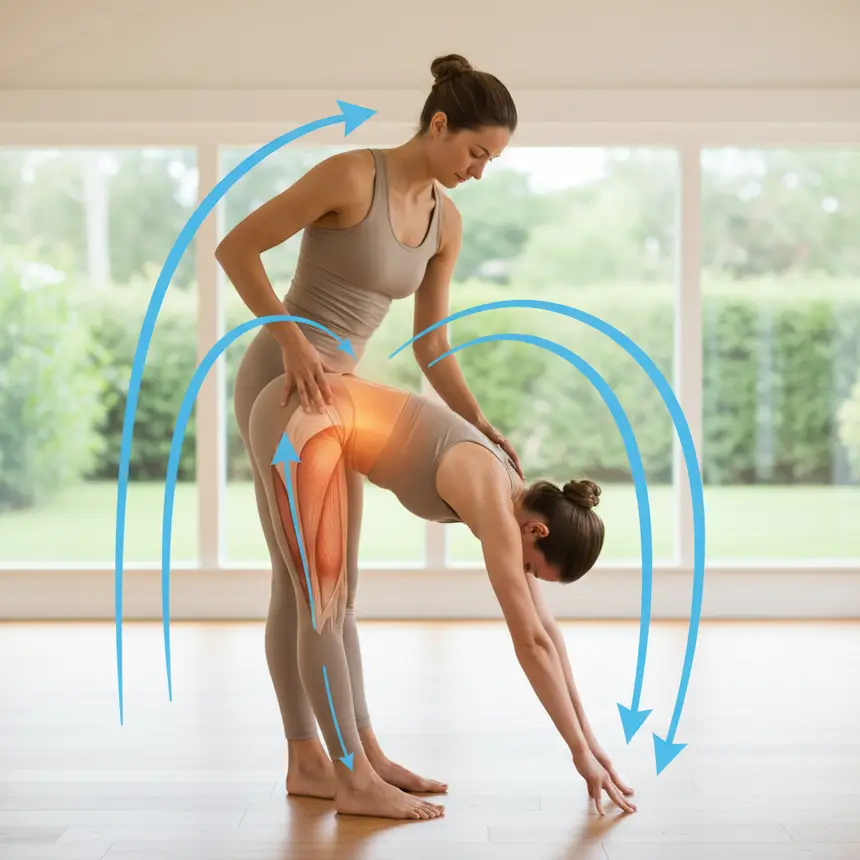
In your yoga practice, the instructor's role extends far beyond merely demonstrating poses; it profoundly shapes the depth of your practice and the yoga benefits you receive. Instructors at public yoga programs are often selected through rigorous screening processes and interviews, typically boasting extensive experience and professional qualifications. They tend to provide structured, foundational curricula and are adept at guiding a wide range of students. Private yoga studios, on the other hand, frequently employ instructors who have completed specific Yoga Teacher Training (TTC) certifications, often offering more dynamic or specialized class styles. Younger, energetic instructors might lead challenging classes with advanced asanas. Nevertheless, what truly matters is not the instructor's affiliation or age, but their "teaching ability": their capacity to offer precise alignment cues, provide personalized adjustments, and authentically convey the philosophy of yoga. An instructor who can execute complex poses perfectly but fails to facilitate student growth may not be the best fit for everyone. Therefore, it's highly recommended to take advantage of trial classes or introductory offers to experience different teaching styles. Finding an instructor whose approach resonates with you is a cornerstone of a fulfilling yoga journey.

H2: Practical Steps to Finding Your Ideal Yoga Home: Cost, Convenience, and Consistency
One of the most vital virtues in yoga practice is consistency. No matter how great a yoga studio or how inspiring an instructor, if regular attendance is difficult, achieving the desired yoga benefits will be challenging. Thus, practical considerations are key. Yoga classes at public institutions are often highly affordable, typically costing around $40 to $60 per month for two to three classes per week. This affordability is due to government and local support, making yoga accessible to many. Private yoga studios generally range around $120 or more per month, with variations based on class frequency or program type. It's essential to choose a membership level that aligns with your budget and goals. Furthermore, the studio's proximity to your home or workplace is a significant factor. Some public centers might even offer shuttle services, while others are easily accessible via public transport. The less time and effort required for travel, the more likely you are to maintain a consistent yoga practice. A smart approach is to research local yoga studios, compare their membership fees and locations, and visit at least three in person to get a feel for their atmosphere. A convenient and affordable choice forms the bedrock of a sustained and beneficial practice.
H2: The Power of Persistent Practice: Cultivating Inner Transformation Through Yoga
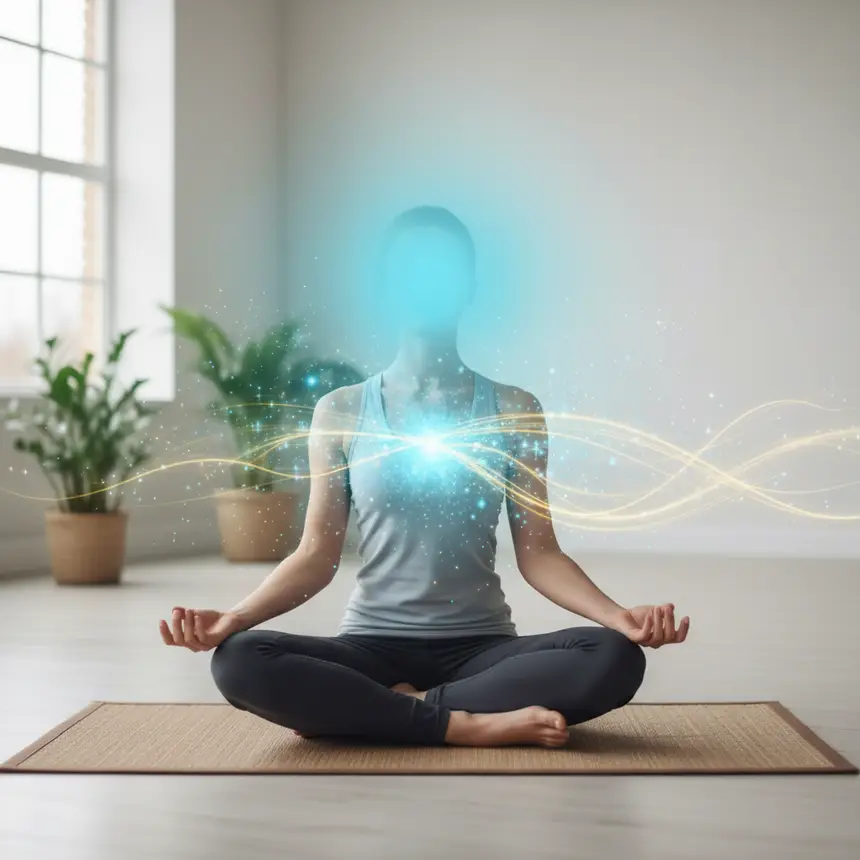
True yoga benefits aren't exclusive to specific locations or expensive classes. The most crucial elements are your consistent dedication and a willingness to look inward. Yoga isn't about achieving external perfection; it's a journey of understanding and harmonizing your body and mind. The essence of authentic yoga practice lies in focusing on your breath and movements with half-closed eyes, awakening your "eye of wisdom," rather than relying solely on visual stimulation. Regardless of which yoga studio you choose or which instructor you encounter, the impact of your yoga practice will ultimately depend on how consistently you show up on your mat and how deeply you listen to your body and mind. Even if you haven't found the "perfect" yoga studio yet, that's perfectly fine. The most important step is to begin. Start with even just 5 minutes of simple yoga stretching each day to build a consistent practice habit. This small beginning can bring incredible transformation and balance to your life. We encourage you to find your ideal yoga environment and cultivate a continuous practice for a healthier, more peaceful existence.
Frequently Asked Questions
Q. Where is the best place for a complete beginner to start yoga?
A. For beginners, starting at an affordable public center or a large GX facility near home is often recommended. This allows you to build foundational skills and develop an interest in yoga without significant financial commitment. Once you're comfortable, you can then explore more specialized yoga studios. Consistency is key.
Q. What are the most important factors when choosing a yoga studio?
A. Key factors include your personal yoga goals, budget, the studio's accessibility, and importantly, the practice environment and the instructor's teaching style. It's best to try out introductory classes to see which fit feels right for you.
Q. How can I assess a yoga instructor's qualifications and teaching style?
A. While experience and certifications are valuable, the most effective way is to attend their classes directly. Observe if they provide clear instructions, offer helpful adjustments, and foster a positive, supportive atmosphere. Good communication skills and empathy are crucial.
Q. Do more expensive yoga studios always offer better yoga benefits?
A. Higher prices don't automatically guarantee superior yoga benefits. While pricier studios often provide premium environments and diverse programs, the core elements are your consistent practice and your connection with the instructor. You can achieve great yoga benefits even in more affordably priced settings.
Q. What are the key differences between practicing yoga at home versus in a studio?
A. Studio yoga offers direct guidance from a professional instructor, helping with proper alignment and motivation, plus the benefit of a community. Practicing at home provides flexibility in schedule and location but might lack the personalized adjustments and structured progression found in a studio setting.