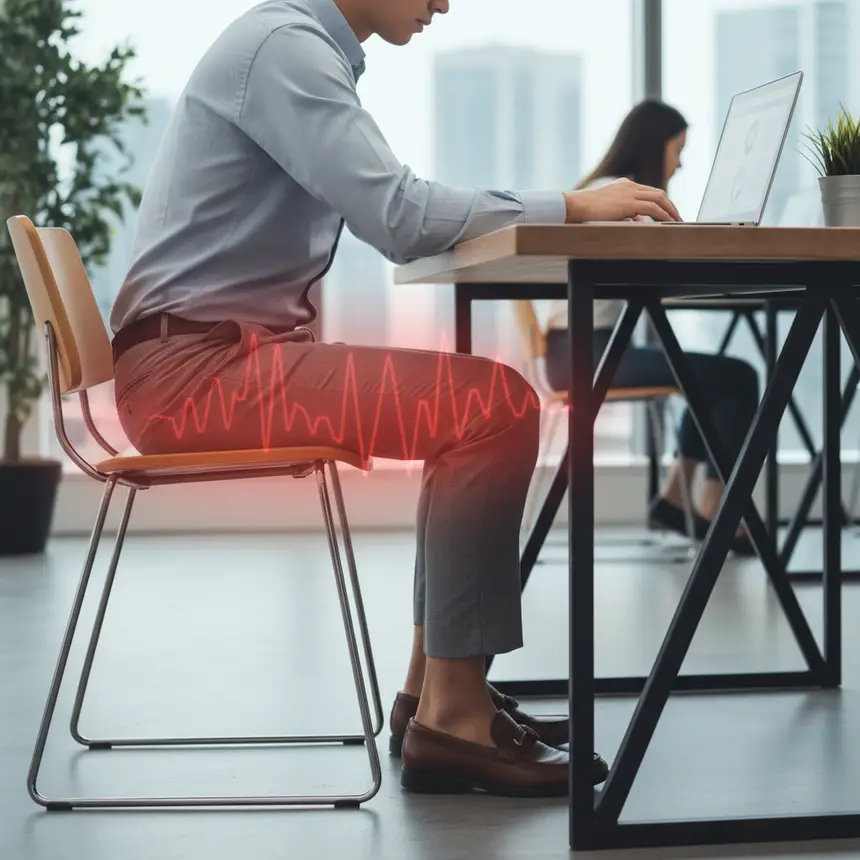
Knee pain doesn't always mean complete rest. Discover how proper knee pain exercises can revitalize your joints and strengthen muscle balance. Learn specific strategies for healthy movement to reclaim a pain-free daily life.

Beyond Rest: Why Movement is Key to Overcoming Knee Pain
Knee discomfort can significantly hinder daily life, often leading many to believe that complete rest is the only solution. However, this common perception might be counterproductive. Far from being a passive shock absorber, your knees are dynamic joints that thrive on consistent movement for lubrication and nutrient supply. Embracing the right kind of activity can be a game-changer, revitalizing the tissues surrounding your knee and significantly easing pain.
It's natural to worry about further cartilage damage when experiencing knee pain, prompting a desire to minimize movement. Yet, an overly protective approach can inadvertently lead to adverse effects. Reduced circulation around the joint and rapid weakening of supporting muscles can trap you in a cycle of worsening discomfort. Healthy knees rely on movement to circulate synovial fluid, which nourishes the cartilage. Therefore, instead of completely halting activity, engaging in appropriate movements within a pain-free range is crucial for long-term knee recovery and strength. Proactive movement helps restore muscle balance around the knee and distributes stress more effectively, aiding in pain management. It's time to explore smarter ways to move for healthier knees.
It's natural to worry about further cartilage damage when experiencing knee pain, prompting a desire to minimize movement. Yet, an overly protective approach can inadvertently lead to adverse effects. Reduced circulation around the joint and rapid weakening of supporting muscles can trap you in a cycle of worsening discomfort. Healthy knees rely on movement to circulate synovial fluid, which nourishes the cartilage. Therefore, instead of completely halting activity, engaging in appropriate movements within a pain-free range is crucial for long-term knee recovery and strength. Proactive movement helps restore muscle balance around the knee and distributes stress more effectively, aiding in pain management. It's time to explore smarter ways to move for healthier knees.
Strategic Knee Pain Exercises: Core Principles and Movements
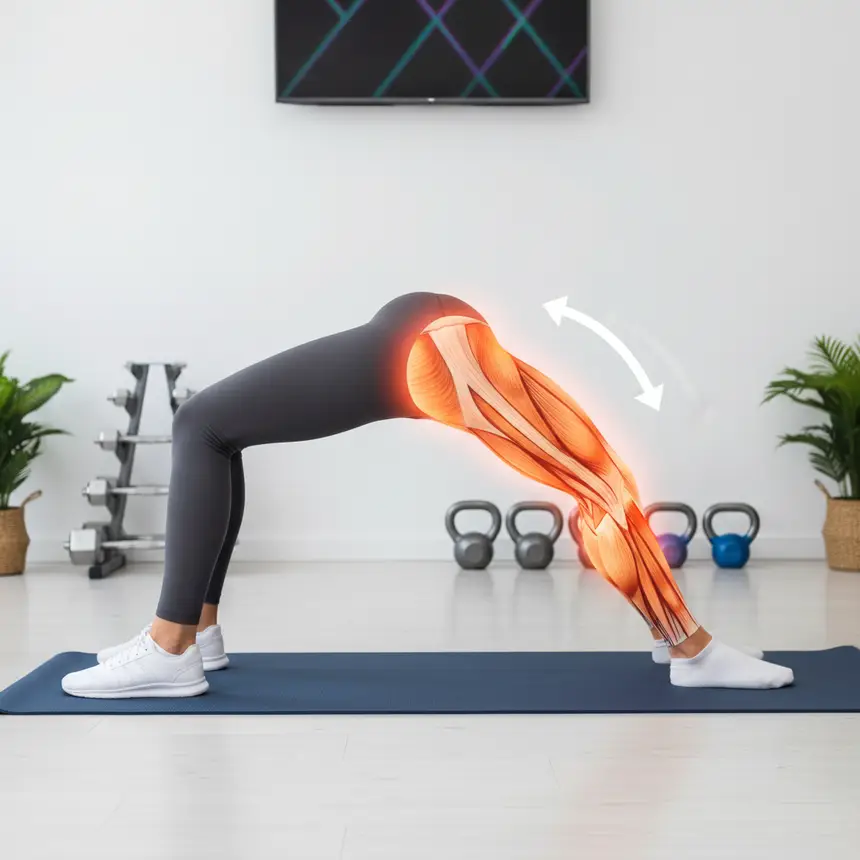
The root cause of knee pain often extends beyond simple cartilage wear. In many instances, muscle imbalances—like quadriceps dominance, weak glutes, or hip instability—place undue stress on the knee joint. Effective knee pain exercises, therefore, focus on restoring balance and function to these surrounding muscle groups. The key is consistent, low-intensity movement performed strictly within your pain-free limits.
- Establishing Pain-Free Range of Motion: Identify the maximum range your knee can move without pain, then gently repeat movements within this comfortable zone. Simple exercises like heel slides while seated or partial wall squats can be beneficial for this.
- Strengthening Glutes and Hamstrings: Shifting away from over-reliance on the quadriceps, it's vital to activate the muscles in your buttocks and the back of your thighs. Exercises such as glute bridges and clamshells are excellent for improving hip stability and glute strength.
- Enhancing Hip Stability: Insufficient hip support often forces the knee to bear unnecessary loads. Exercises like single-leg stands and side leg raises help fortify the muscles around the hip, contributing significantly to knee protection.
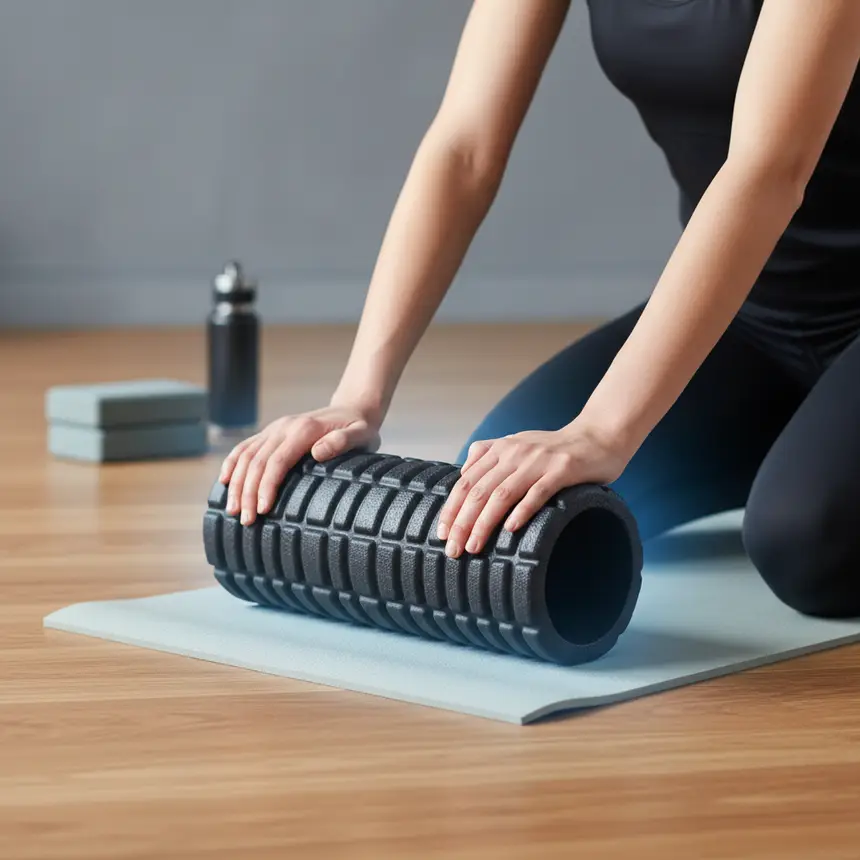
- Releasing Surrounding Tissue Tension: Overly tight muscles and soft tissues can increase mechanical stress on the joint. Incorporating tools like foam rollers or massage balls to release tension in the quadriceps, hamstrings, and glutes can improve circulation and reduce joint strain. Regular practice, both before and after workouts, is crucial for maintaining flexibility.
※ This post contains affiliate links. I may earn a commission at no extra cost to you.

Smart Approach to Knee Health: Precautions and Who Benefits Most
Before embarking on any knee pain exercise regimen, it's essential to consider several crucial factors. All movements should remain within a pain-free zone, and you should avoid suddenly increasing intensity. If pain is severe or sharp pain occurs during exercise, stop immediately and consult a healthcare professional.
- Gradual Progression: Begin with very low intensity and short durations. Gradually increase exercise time and intensity only if no discomfort is felt. Allowing your body time to adapt is paramount.
- Listen to Your Body's Signals: Differentiating between "good pain" and "bad pain" is vital. Post-exercise muscle fatigue or mild soreness is normal, but sharp pain, swelling, or warmth are warning signs that require attention.
- Consistency is Key: Sustained, consistent practice is more effective than short bursts of intense activity. Incorporating more movement into your daily routine is a beneficial habit.
- Frequently experience stiffness or discomfort in their knees during daily activities.
- Believe their knee-supporting muscles have weakened due to inactivity.
- Prefer an active management approach over passive rest to restore knee health.
- Are in a post-surgical recovery phase and wish to self-manage in conjunction with professional rehabilitation (always follow expert guidance).
Frequently Asked Questions
Q. Is it okay to exercise when my knee hurts?
A. If the pain isn't severe or sharp, gentle movement within a pain-free range is often more beneficial for knee health. Appropriate activity is crucial for synovial fluid circulation and maintaining muscle function.
Q. I don't know where to start with knee exercises.
A. Begin with low-impact exercises that don't put much strain on your knees, such as seated heel slides, wall-supported quarter squats, or supine glute bridges. Always ensure you perform these movements without pain.
Q. What's the most important thing to remember when doing knee pain exercises?
A. The most critical rule is to exercise 'within a pain-free range'. If any movement causes pain, stop immediately or reduce the intensity. Also, progress gradually and consistently.
Q. What daily habits can help alleviate knee pain?
A. Avoiding prolonged sitting by taking frequent stretching breaks, maintaining good posture, managing a healthy weight, and regularly releasing tension in surrounding thigh muscles with a foam roller can all be very helpful.