Discover why walking alone might not be enough for weight loss after 40. Learn effective strategies like combining strength training, interval walking, and smart dietary choices to achieve sustainable body changes and healthier habits.

Walking Miles, Seeing No Change? You're Not Alone.
Many individuals diligently track their steps each day, hoping to see a noticeable shift on the scale, only to feel frustrated by a lack of progress. This is especially common for those over 40, who often choose walking as their primary form of exercise for fitness and weight management. It's an appealing option because it's low-impact on joints and easy to incorporate into daily life. However, if you've been consistently walking for a while and your body isn't responding as expected, it might be time to look beyond just step counts. What could be the underlying reasons why your consistent efforts aren't translating into the desired results?
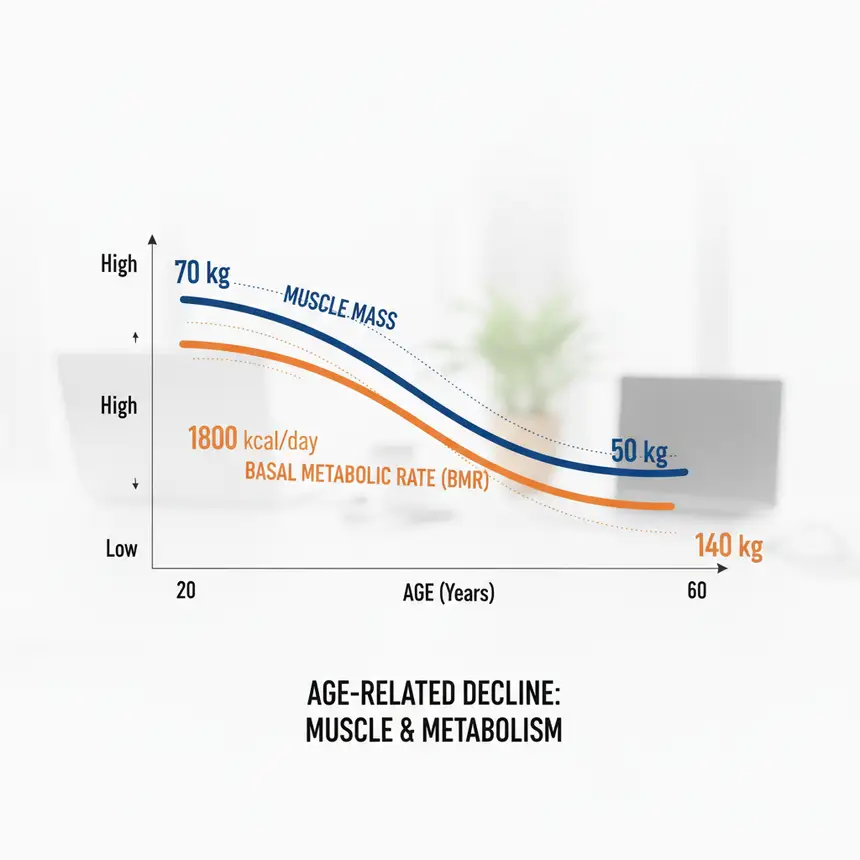
Three Core Reasons Why Walking Alone May Not Be Enough for Weight Loss
Relying solely on walking for weight loss can be challenging due to several key factors. Understanding these reasons is the first step toward building a more effective weight management strategy.
1. Muscle Mass Decline and Slowed Metabolism
As we age, our body's muscle mass naturally begins to decrease. This process often accelerates after age 40. While walking is excellent for cardiovascular health and endurance, it's not highly effective for significantly building new muscle. When muscle mass diminishes, our basal metabolic rate (BMR) – the energy our body burns at rest – also declines. This means you might consume the same amount of food as before, but your body burns fewer calories, making fat accumulation easier.
2. Body Adaptation and Reduced Calorie Burn
When you first start a walking routine, your body responds to the new stimulus by expending more energy. However, if you consistently walk at the same pace and intensity day after day, your body quickly adapts to the activity. Once adapted, the same duration and distance of walking will burn fewer calories over time. It's like solving a puzzle; the more you do it, the faster and easier it becomes. Without varying the intensity, the effectiveness of walking for fat burning can significantly decrease.
3. The Reward Mentality After Exercise
Perhaps the most overlooked reason is the tendency to overeat after a workout. It's common to think, 'I walked so much, I deserve a treat,' or 'A little extra won't hurt.' However, a single small snack can easily negate the calories burned during a long walk. To truly maximize your exercise efforts, it's crucial to acknowledge the importance of dietary management alongside physical activity.
1. Muscle Mass Decline and Slowed Metabolism
As we age, our body's muscle mass naturally begins to decrease. This process often accelerates after age 40. While walking is excellent for cardiovascular health and endurance, it's not highly effective for significantly building new muscle. When muscle mass diminishes, our basal metabolic rate (BMR) – the energy our body burns at rest – also declines. This means you might consume the same amount of food as before, but your body burns fewer calories, making fat accumulation easier.
2. Body Adaptation and Reduced Calorie Burn
When you first start a walking routine, your body responds to the new stimulus by expending more energy. However, if you consistently walk at the same pace and intensity day after day, your body quickly adapts to the activity. Once adapted, the same duration and distance of walking will burn fewer calories over time. It's like solving a puzzle; the more you do it, the faster and easier it becomes. Without varying the intensity, the effectiveness of walking for fat burning can significantly decrease.
3. The Reward Mentality After Exercise
Perhaps the most overlooked reason is the tendency to overeat after a workout. It's common to think, 'I walked so much, I deserve a treat,' or 'A little extra won't hurt.' However, a single small snack can easily negate the calories burned during a long walk. To truly maximize your exercise efforts, it's crucial to acknowledge the importance of dietary management alongside physical activity.
※ This post contains affiliate links. I may earn a commission at no extra cost to you.

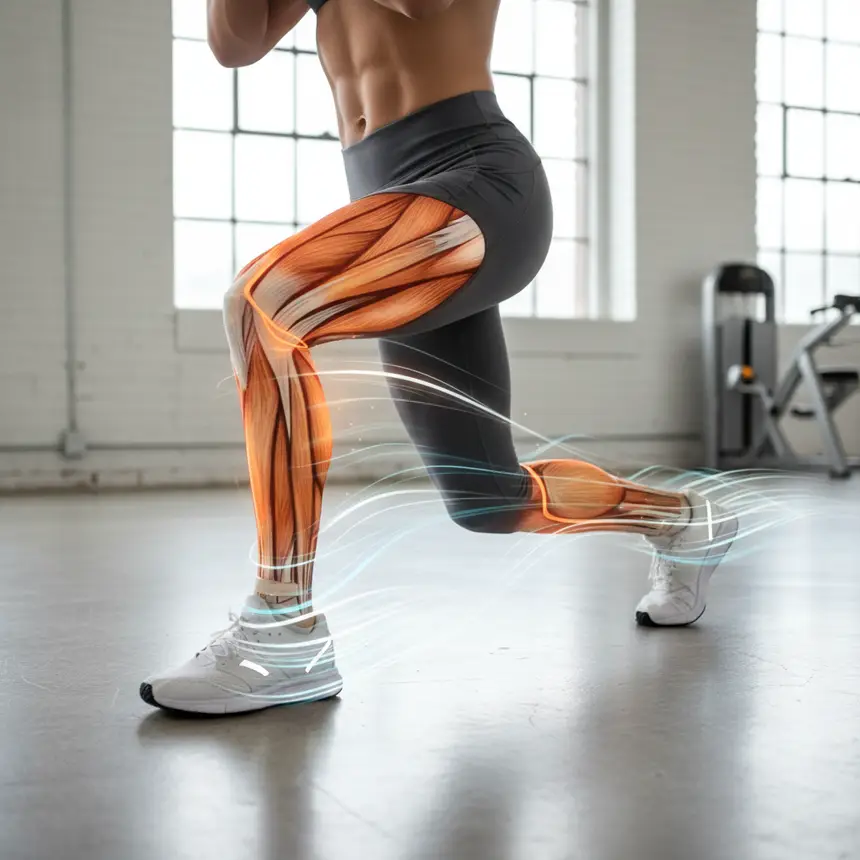
Boosting Your Walking Routine: Three Strategic Adjustments
To maximize the benefits of walking while also achieving your weight loss goals, it's essential to modify your current approach. Incorporate these three strategies for more effective results.
1. Integrate Cardio with Strength Training
Combining walking with strength training is paramount. To counteract age-related muscle loss, particularly after 40, adding just 10 minutes of bodyweight exercises like planks or squats daily can make a significant difference. Maintaining muscle mass helps keep your BMR higher, leading to more efficient energy expenditure and enhancing the fat-burning effects of your walking sessions.
2. Vary Your Intensity with Interval Walking
To prevent your body from adapting and to maximize calorie expenditure, consider 'interval walking.' This involves alternating between periods of moderate and high intensity. For instance, walk at your usual pace for three minutes, then speed up to a brisk pace where you're slightly breathless for two minutes. This fluctuation in intensity elevates your heart rate, burns more calories, and can lead to an 'afterburn effect,' where your body continues to burn energy even after your workout.
3. Optimize Timing and Dietary Habits
Strategically placing your walking sessions and managing your diet are crucial. Aim for at least 30 minutes of consistent walking. Walking gently for 20 to 30 minutes after meals can help regulate blood sugar levels and aid digestion. Furthermore, to avoid overeating due to a 'reward mentality' after exercise, it's vital to plan and adhere to a healthy eating pattern.
1. Integrate Cardio with Strength Training
Combining walking with strength training is paramount. To counteract age-related muscle loss, particularly after 40, adding just 10 minutes of bodyweight exercises like planks or squats daily can make a significant difference. Maintaining muscle mass helps keep your BMR higher, leading to more efficient energy expenditure and enhancing the fat-burning effects of your walking sessions.
2. Vary Your Intensity with Interval Walking
To prevent your body from adapting and to maximize calorie expenditure, consider 'interval walking.' This involves alternating between periods of moderate and high intensity. For instance, walk at your usual pace for three minutes, then speed up to a brisk pace where you're slightly breathless for two minutes. This fluctuation in intensity elevates your heart rate, burns more calories, and can lead to an 'afterburn effect,' where your body continues to burn energy even after your workout.
3. Optimize Timing and Dietary Habits
Strategically placing your walking sessions and managing your diet are crucial. Aim for at least 30 minutes of consistent walking. Walking gently for 20 to 30 minutes after meals can help regulate blood sugar levels and aid digestion. Furthermore, to avoid overeating due to a 'reward mentality' after exercise, it's vital to plan and adhere to a healthy eating pattern.
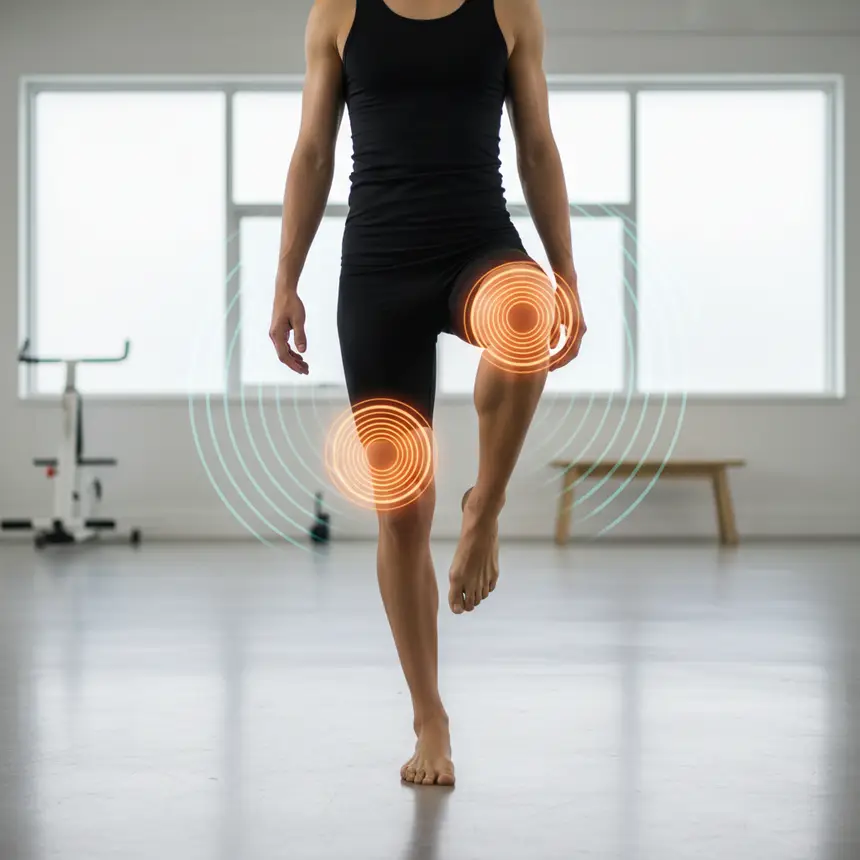
Sustainable Habits for Effective Weight Management in Your Daily Life
You don't need complicated routines or extreme diets to significantly improve your weight loss efforts. Small, consistent changes to your daily habits can yield remarkable results. Try incorporating these five practical tips into your lifestyle:
1. Focus on Quality Over Quantity: Instead of merely counting steps, aim for a brisk pace where you're slightly out of breath. Enjoying your surroundings during a walk can also provide mental health benefits.
2. Consistency is Key: Strive to walk at least 30 minutes, five or more times a week. Regular exercise boosts your metabolism and encourages continuous energy expenditure.
3. Post-Meal Walks: Instead of sitting immediately after eating, make it a habit to take a light 20 to 30-minute stroll. This aids digestion and helps manage blood sugar levels positively.
4. Add Strength Training: Incorporate lower body strength exercises at least twice a week to combat muscle loss and maintain your basal metabolic rate. Bodyweight exercises like squats, lunges, and planks are highly effective.
5. Manage Your Reward Mentality: Instead of thinking, 'I earned this treat,' opt for healthy protein-rich snacks (like hard-boiled eggs or low-fat yogurt) or fiber-rich fruits (apples, bananas). Be mindful that your hard work isn't undone by impulsive eating.
1. Focus on Quality Over Quantity: Instead of merely counting steps, aim for a brisk pace where you're slightly out of breath. Enjoying your surroundings during a walk can also provide mental health benefits.
2. Consistency is Key: Strive to walk at least 30 minutes, five or more times a week. Regular exercise boosts your metabolism and encourages continuous energy expenditure.
3. Post-Meal Walks: Instead of sitting immediately after eating, make it a habit to take a light 20 to 30-minute stroll. This aids digestion and helps manage blood sugar levels positively.
4. Add Strength Training: Incorporate lower body strength exercises at least twice a week to combat muscle loss and maintain your basal metabolic rate. Bodyweight exercises like squats, lunges, and planks are highly effective.
5. Manage Your Reward Mentality: Instead of thinking, 'I earned this treat,' opt for healthy protein-rich snacks (like hard-boiled eggs or low-fat yogurt) or fiber-rich fruits (apples, bananas). Be mindful that your hard work isn't undone by impulsive eating.

Beyond the Step Count: Building Sustainable, Healthy Habits
Weight management is more than just watching numbers on a scale; it's about cultivating and maintaining healthy lifestyle habits. While walking is an excellent form of physical activity, maximizing its effects requires a strategic approach. Especially after age 40, maintaining muscle mass and managing your basal metabolic rate are crucial. Therefore, combining walking with strength training and adopting a mindful approach to your diet are intelligent ways forward. Based on the information and practical tips shared today, we hope you experience a transformation toward a healthier, more vibrant you. Move beyond simply hitting a step count and build sustainable habits that nourish both your body and mind.
Frequently Asked Questions
Q. How fast should I walk for effective weight loss?
A. Aim for a 'brisk walk' or 'power walking' pace where you're slightly breathless and your heart rate is elevated, rather than just a casual stroll. You should be able to hold a conversation but find it difficult to sing.
Q. What bodyweight strength exercises are recommended for middle-aged adults?
A. Squats, lunges, planks, and wall push-ups are excellent choices. These exercises stimulate major muscle groups, are gentle on joints, and help maintain and increase muscle mass. Aim for 10-15 repetitions for 2-3 sets of each exercise with proper form.
Q. How can I manage overeating due to the 'reward mentality' after exercise?
A. Stay well-hydrated before and after your workout. Prepare healthy, filling protein snacks (like hard-boiled eggs or low-fat yogurt) or fiber-rich fruits (apples, bananas) in advance. Focus on the sense of accomplishment from your workout itself and practice mindful meal planning.
Q. Is it better to walk every day, or do I need rest days?
A. Light, gentle walking can be done daily. However, if you engage in high-intensity or interval walking, it's advisable to take a rest day or opt for light stretching to allow your body to recover. Recovery is as crucial as the workout itself, so adjust based on your body's needs.
Q. What specific dietary considerations are important when combining with walking for weight loss?
A. Focus on reducing excessive refined carbohydrates and sugars while emphasizing a diet rich in protein and fiber. Consume a balanced intake of fresh vegetables, fruits, whole grains, and lean protein sources. Post-workout protein intake is particularly beneficial for muscle recovery.