Lower body and core exercises are crucial for full-body fat reduction and muscle gain. Discover tailored workout routines and practical strategies for sedentary individuals to achieve healthy physical transformation.

Tired of Sedentary Life? Revitalize Your Body with Lower Body and Core Training
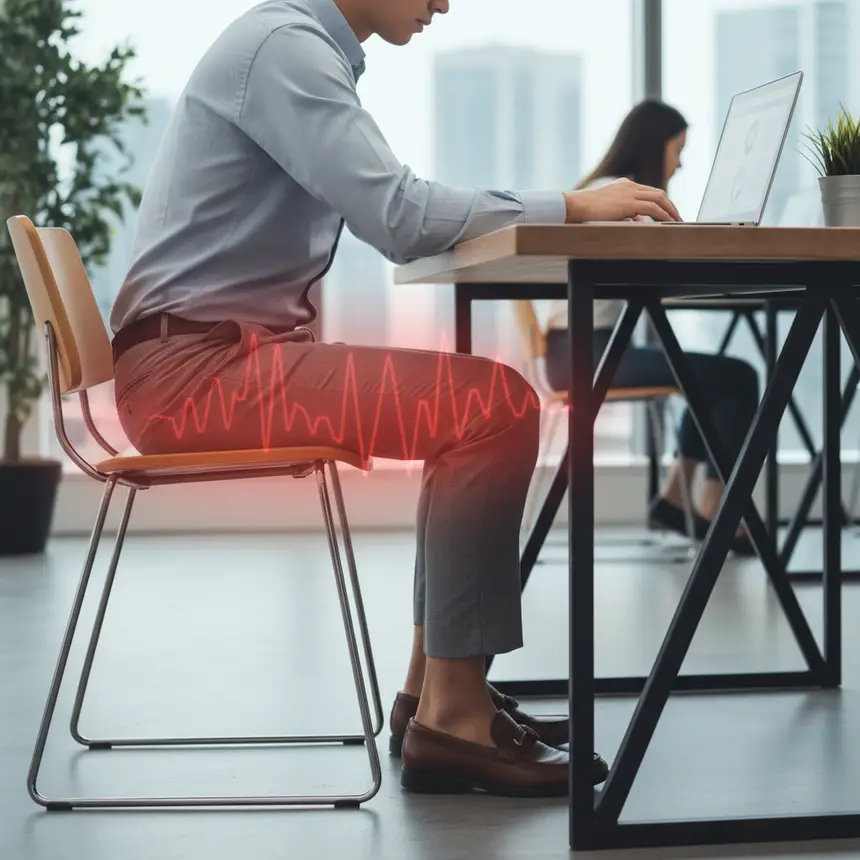
For many of us, a large portion of our day is spent sitting. This common sedentary lifestyle often leads to reduced calorie expenditure, lower physical activity levels, and consequently, weight gain and an overall decline in vitality. But don't despair! Focusing on lower body and core exercises is one of the most effective ways to counteract these issues and initiate positive physical changes. Consistent training for these muscle groups doesn't just build localized strength; it significantly contributes to full-body fat reduction and boosts your resting metabolism. Imagine the confidence and energy you could gain from seeing a body fat percentage drop from 34% to 27% and muscle mass increase by over 2 pounds. While these transformations aren't instant, they are absolutely achievable with a structured approach and persistent effort. Ready to embark on a journey to strengthen your body's foundation and cultivate healthier habits?
Essential Exercise Routine to Awaken Your Lower Body and Core Muscles
Effectively strengthening your lower body and core doesn't require a complex regimen. The following three exercises are highly effective for engaging key muscles and enhancing overall physical function. Understanding the correct form and the areas of focus for each movement is crucial.
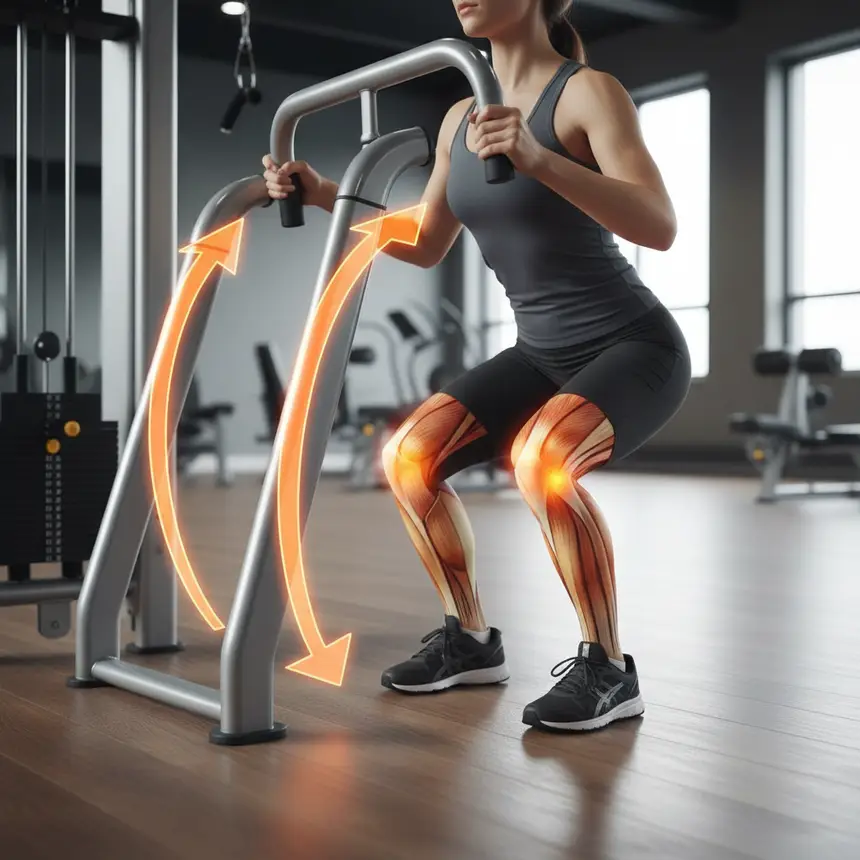
1. Supported Squat Variation: Using a Smith machine or even a wall for support allows beginners to practice deep squats with stability. The key is to hinge at the hips as if sitting back, ensuring your knees don't excessively extend past your toes, and avoiding an overarched lower back. Engage your core to maintain trunk stability as you slowly descend and ascend. This exercise effectively targets the quadriceps, hamstrings, and glutes.
2. Leg Press Machine: The leg press is an excellent machine-based exercise for developing lower body muscle. Position your feet appropriately on the platform, and push through your heels, being mindful not to let your knees splay out or cave in. Focus on an even distribution of effort across your entire thigh musculature, performing the movement with control. Gradually increasing the weight per set can significantly boost your strength.
3. Dead Bug: A cornerstone for core strength, the dead bug is superb for activating your deep abdominal muscles. Lie on your back with your lower back pressed firmly against the floor, maintaining tension in your core. Slowly extend opposite arm and leg, then return to the start. Focus on controlled movements and steady breathing. This exercise prioritizes precision over heavy weight and is highly beneficial for sculpting the lower abs and obliques.
Consistent practice of these exercises 2-3 times per week will lead to balanced development of your lower body and core muscles. Remember to include adequate stretching before and after your workout, and stay hydrated.
1. Supported Squat Variation: Using a Smith machine or even a wall for support allows beginners to practice deep squats with stability. The key is to hinge at the hips as if sitting back, ensuring your knees don't excessively extend past your toes, and avoiding an overarched lower back. Engage your core to maintain trunk stability as you slowly descend and ascend. This exercise effectively targets the quadriceps, hamstrings, and glutes.
2. Leg Press Machine: The leg press is an excellent machine-based exercise for developing lower body muscle. Position your feet appropriately on the platform, and push through your heels, being mindful not to let your knees splay out or cave in. Focus on an even distribution of effort across your entire thigh musculature, performing the movement with control. Gradually increasing the weight per set can significantly boost your strength.
3. Dead Bug: A cornerstone for core strength, the dead bug is superb for activating your deep abdominal muscles. Lie on your back with your lower back pressed firmly against the floor, maintaining tension in your core. Slowly extend opposite arm and leg, then return to the start. Focus on controlled movements and steady breathing. This exercise prioritizes precision over heavy weight and is highly beneficial for sculpting the lower abs and obliques.
Consistent practice of these exercises 2-3 times per week will lead to balanced development of your lower body and core muscles. Remember to include adequate stretching before and after your workout, and stay hydrated.
※ This post contains affiliate links. I may earn a commission at no extra cost to you.

Practical Strategies for Building Sustainable Exercise Habits
Starting an exercise routine is one thing; sticking to it is another. Here are practical strategies to successfully integrate workouts into your daily life:
By implementing these strategies, you can transform exercise into an enjoyable part of your routine and build sustainable health management habits.
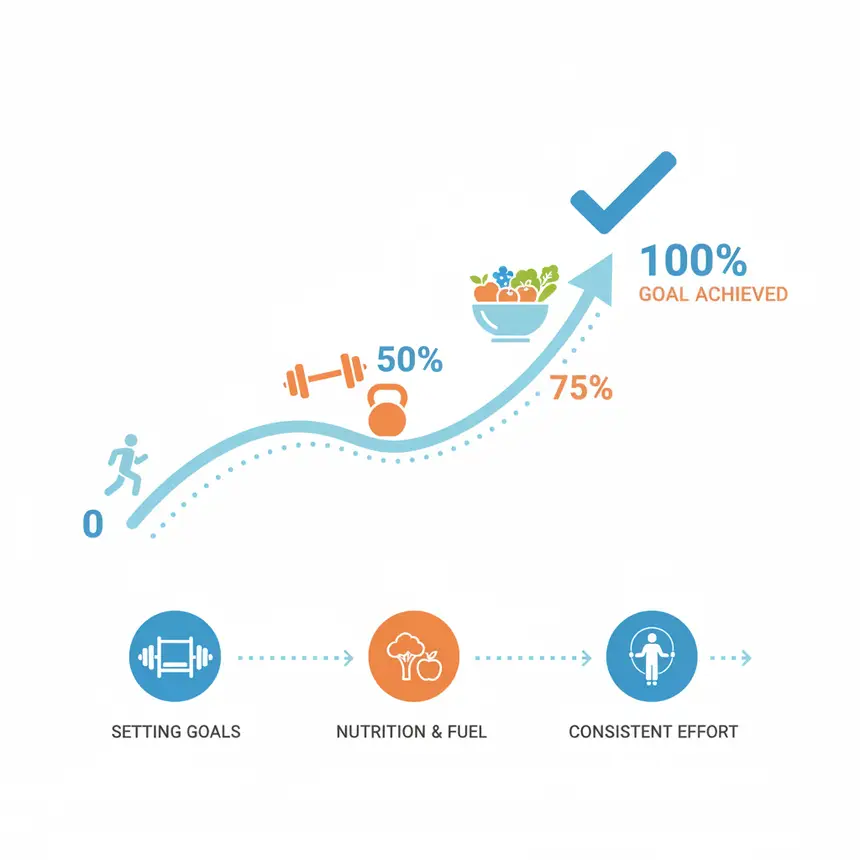
- Set and Clarify Goals: Define measurable goals like 'lose 10 pounds' or 'reduce body fat by 5%,' then plan weekly workout frequency and routines to achieve them. Setting both short-term and long-term goals can significantly boost your motivation.
- Utilize Professional Guidance: If you're new to exercise or have specific objectives, consulting a fitness professional can provide a tailored program and teach you correct form. Expert guidance is essential for minimizing injury risk and maximizing workout effectiveness. Initially, it's more important to understand which muscles you're using and why each movement is necessary, rather than just mimicking the motion.
- Combine with Nutritional Management: To maximize the benefits of your workouts, managing your diet is crucial. Focus on a balanced diet rich in protein, plenty of vegetables, and reduce intake of processed foods and sugar. Improving unhealthy eating habits like late-night snacking and keeping a food diary can help you reflect on and refine your dietary choices.
- Apply the Principle of Progressive Overload: As your body adapts to exercise, your strength and fitness improve. At this point, you need to gradually increase the intensity of your workouts—by adding more weight, increasing repetitions, or extending workout duration. This is known as 'progressive overload,' a vital principle for muscle development and continuous physical transformation.
By implementing these strategies, you can transform exercise into an enjoyable part of your routine and build sustainable health management habits.
Important Considerations Before You Start and Who Should Begin
Before embarking on any new exercise routine, there are several key factors to consider. To ensure safe and effective workouts, please keep the following in mind:
Lower body and core exercises are more than just about building a physique; they can be a powerful tool for enhancing daily vitality and improving your overall quality of life.
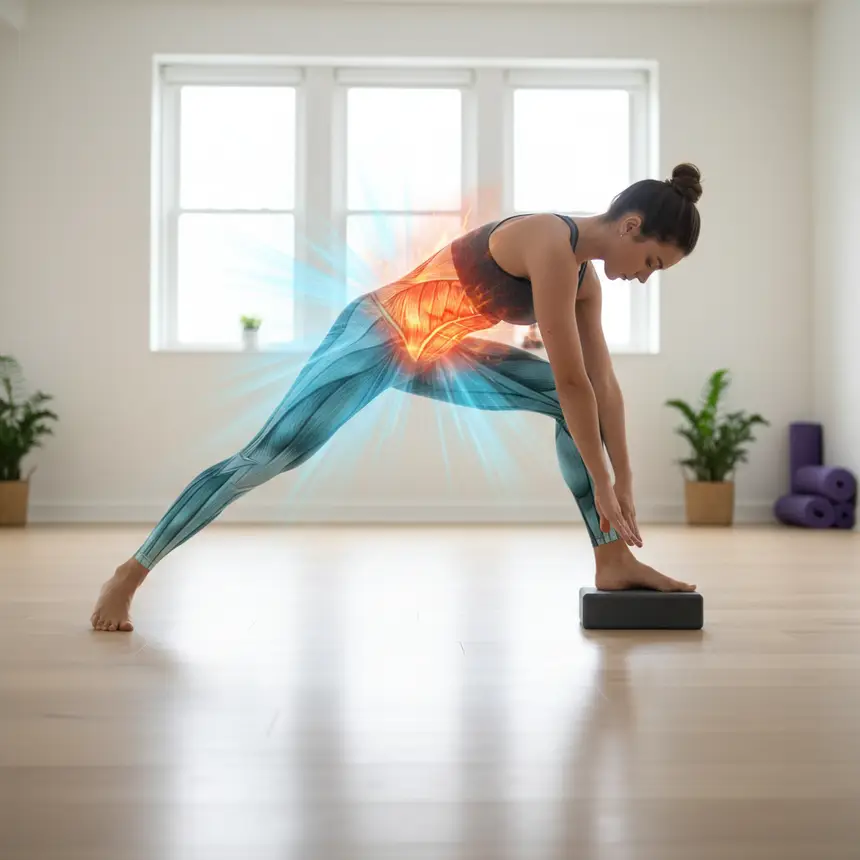
- Consult a Professional: Especially if you have limited prior exercise experience or existing health conditions, it's crucial to consult with a fitness expert before starting. They can help you devise a workout plan suited to your health status. Proper form instruction is critical for injury prevention and maximizing exercise benefits.
- Maintain Correct Form: The most important aspect of any exercise is precise form. Incorrect posture can lead to injury and diminish exercise effectiveness by failing to engage the target muscles properly. Use mirrors to check your form or seek feedback from a professional.
- Gradual Intensity Adjustment: Avoid jumping into high-intensity workouts from the start. Begin with lower intensity and fewer repetitions, gradually increasing workout intensity and duration. Pay close attention to your body's signals, and stop immediately if you feel pain.
- Adequate Rest and Nutrition: Rest and nutrition are just as vital as the workout itself. Muscles are damaged during exercise and then recover and grow during rest periods. Sufficient sleep and a diet rich in protein and essential nutrients are crucial for recovery and muscle growth.
- Recommended for Individuals Who Are:
- Office workers who spend long hours sitting
- Beginners who lack exercise experience and need structured guidance
- Those aiming for weight loss and body fat reduction
- Individuals looking to strengthen weak core and lower body muscles
- Anyone wishing to regain overall physical vitality and confidence
Lower body and core exercises are more than just about building a physique; they can be a powerful tool for enhancing daily vitality and improving your overall quality of life.
Frequently Asked Questions
Q. Why is core muscle strength important during lower body workouts?
A. Core muscles stabilize your body and provide a strong foundation during lower body exercises. A weak core can lead to unstable posture, increasing injury risk and preventing proper engagement of your lower body muscles. A strong core enables more efficient and safer lower body training.
Q. What are good starting exercises for beginners looking to strengthen their lower body and core?
A. For beginners, it's recommended to start with bodyweight exercises like squats, lunges, planks, and dead bugs, or supported variations like wall squats that provide stability. Focus on mastering correct form, and consider getting guidance from a fitness professional if needed.
Q. Besides lower body and core exercises, what diet management tips are crucial for fat loss?
A. Diet management is essential for fat loss alongside exercise. Prioritize protein-rich meals to preserve muscle, choose whole grains for carbohydrates, and opt for healthy unsaturated fats. Reduce processed foods, sugar, and excessive sodium, while ensuring adequate hydration and consistent meal times.
Q. What mindset or tips are helpful for consistently maintaining lower body and core workouts?
A. For consistency, it's important to set realistic goals, celebrate small victories, track your progress, and find ways to enjoy your workouts. Exercising with a friend or listening to your favorite music can help. Remember that taking rest days for recovery is also crucial.
Q. What long-term benefits can one expect from consistent lower body and core training?
A. Long-term lower body and core training can lead to increased metabolism for easier weight management, improved posture and balance, alleviated back pain, enhanced joint health, and better functional ability in daily life. It also contributes to increased self-confidence and stress relief.