Struggling with rounded shoulders, a hunched back, or chronic pain? The lat pulldown is a crucial exercise for strengthening your back muscles and restoring proper posture. Discover correct form and effective tips to build a healthy spine and confident shoulders, addressing common modern posture issues.

The Modern Posture Predicament: A Silent Source of Discomfort
Spending countless hours hunched over computers or glued to smartphones has become the norm, leading many to experience persistent stiffness in their neck and shoulders. It's common to unconsciously round your shoulders forward and slump your back, creating what's often described as a 'turtle neck' posture. This prevalent lifestyle significantly weakens the crucial muscles of your back, which are central to your body's structural integrity. This isn't just about minor discomfort; it can pave the way for long-term health issues and imbalances. Does this sound like a familiar scene in your daily life?

The Cascade of Problems from Poor Posture
Your back muscles are far more than just what's behind you; they are the core stabilizers that support your entire upper body. When these muscles are weak, your shoulders naturally roll forward, your chest collapses, and your back tends to round. This posture doesn't just create an impression of fatigue and lack of confidence; it has tangible negative impacts on your physical health. Issues like shoulder impingement, neck strain, lower back discomfort, and even chronic fatigue can stem from weakened back musculature. If you find yourself slouching in reflections or constantly trying to pull your shoulders back, it’s a clear signal of postural imbalance rooted in underdeveloped back muscles. Investing in these often-overlooked muscles is fundamental for a healthy, functional life.
※ This post contains affiliate links. I may earn a commission at no extra cost to you.

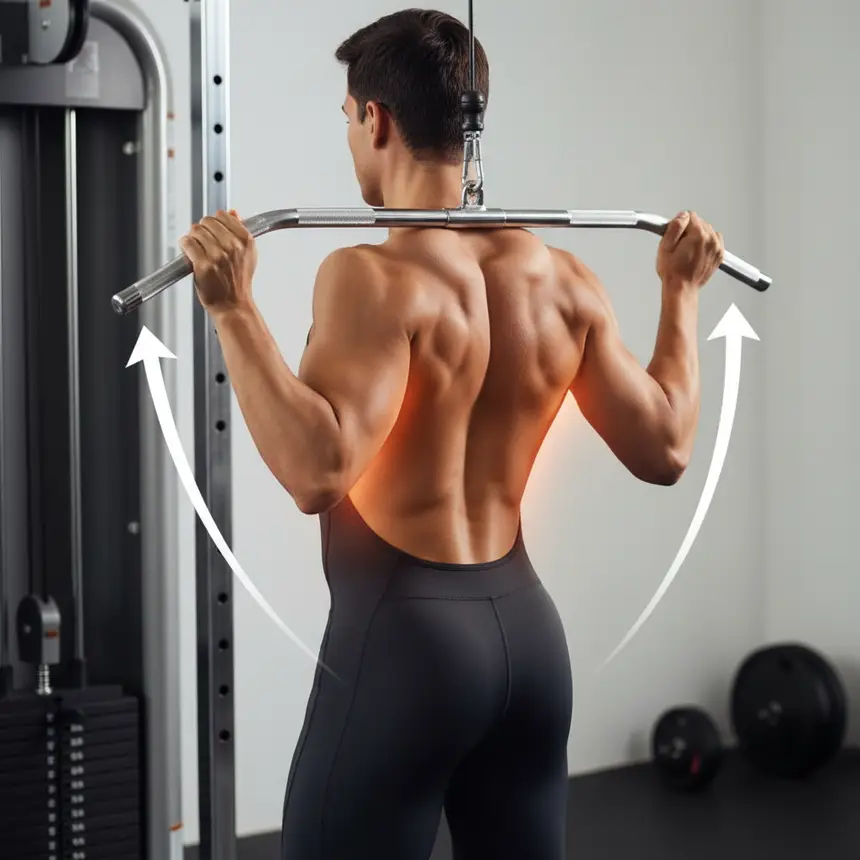
Unlocking Back Strength: The Essential Lat Pulldown Technique
One of the most effective exercises for building a strong back is the lat pulldown. This movement specifically targets the latissimus dorsi, the broad muscles that give your back its width and V-taper. It's an excellent machine exercise, making it accessible and relatively safe for beginners. Remember, proper form trumps heavy weight every single time.
Here’s how to perform the lat pulldown with correct technique:
Here’s how to perform the lat pulldown with correct technique:
- Sit on the machine with your feet firmly planted on the pads. Ensure your pelvis is slightly anteriorly tilted, avoiding a tucked-under hip position.
- Maintain an upright torso with your chest slightly lifted.
- Grip the bar slightly wider than shoulder-width, ensuring your wrists and elbows are aligned.
- Instead of pulling with your arms, focus on driving your elbows down and back towards your hips, bringing the bar down to your collarbone or upper chest. You should feel a strong contraction in your lats.
- As you return the bar to the starting position, do so slowly and with control, feeling the stretch in your back muscles rather than just letting the weight pull you up.

Tips for Maximizing Your Lat Pulldown Effectiveness
Even the best exercises can be ineffective or even harmful if performed incorrectly. Here are key tips to avoid common mistakes and get the most out of your lat pulldowns:
1. Resist the Urge for Heavy Weight: Prioritize feeling the contraction in your back muscles with proper form over lifting heavy loads. Too much weight often leads to recruiting arm and shoulder muscles, bypassing your lats.
2. Avoid Using Momentum: Don't lean back excessively or use your body's momentum to pull the bar down. This puts unnecessary strain on your lower back and reduces the engagement of your target muscles. Keep your core tight and stable throughout the movement.
3. Master the Eccentric Phase: The upward, eccentric (lengthening) phase of the movement is just as important as the downward, concentric (shortening) phase. Control the bar as it moves up, resisting its pull, to maximize muscle time under tension and stimulate growth. A good tempo is often 2 seconds down, 3 seconds up. Aim for 3 sets of 8-12 repetitions, 2-3 times per week.
1. Resist the Urge for Heavy Weight: Prioritize feeling the contraction in your back muscles with proper form over lifting heavy loads. Too much weight often leads to recruiting arm and shoulder muscles, bypassing your lats.
2. Avoid Using Momentum: Don't lean back excessively or use your body's momentum to pull the bar down. This puts unnecessary strain on your lower back and reduces the engagement of your target muscles. Keep your core tight and stable throughout the movement.
3. Master the Eccentric Phase: The upward, eccentric (lengthening) phase of the movement is just as important as the downward, concentric (shortening) phase. Control the bar as it moves up, resisting its pull, to maximize muscle time under tension and stimulate growth. A good tempo is often 2 seconds down, 3 seconds up. Aim for 3 sets of 8-12 repetitions, 2-3 times per week.
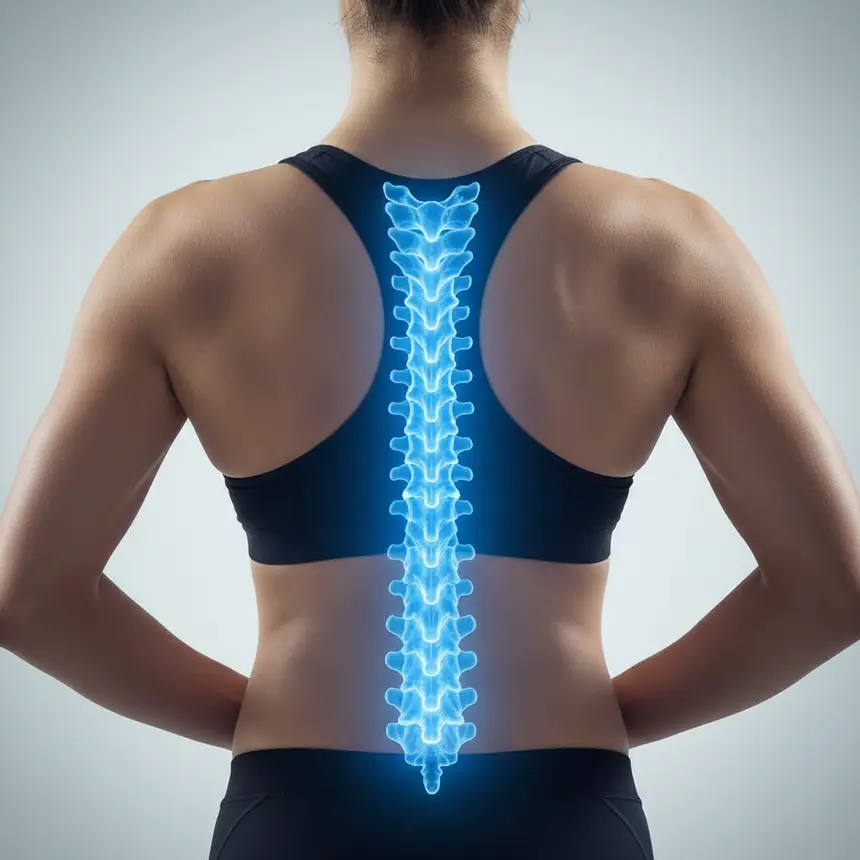
The Transformative Power of Consistent Back Training
Regularly training your back muscles does more than just create an aesthetically pleasing physique; it profoundly impacts your overall quality of life. Proper posture enhances energy efficiency during physical activities, reducing fatigue, and significantly alleviates common aches in the neck, shoulders, and lower back. Furthermore, an open chest and pulled-back shoulders project an image of confidence and strength. Think of it as building robust pillars for your body's architecture, crucial for balance and stability. Start incorporating lat pulldowns and other back exercises into your routine today to cultivate a healthier, more vibrant life. The positive changes you'll experience will likely surpass your expectations.
Frequently Asked Questions
Q. Is it okay to do lat pulldowns every day?
A. Muscles grow during the recovery period after exercise, so training the same muscle group with high intensity every day can be counterproductive. It's generally more effective for muscle growth and recovery to train your back 2-3 times per week, allowing for adequate rest between sessions.
Q. I don't feel my back muscles working during lat pulldowns. What should I do?
A. Start with a lighter weight and focus intensely on the sensation of driving your elbows down. Try to establish a mind-muscle connection, feeling your back muscles contract. Watching yourself in a mirror or getting guidance from a qualified trainer can also help you refine your form. Avoid shrugging your shoulders or pulling only with your arms.
Q. Are there any back exercises I can do at home without equipment?
A. Yes, you can stimulate your back muscles at home with exercises like band rows (using a resistance band), Superman exercises (lying face down and lifting your arms and legs), or dumbbell rows if you have dumbbells. Face pulls, using a band anchored to a door, are also a great option.
Q. My lower back hurts when I do lat pulldowns. Is this normal?
A. Lower back pain during lat pulldowns indicates a need to check your form. This often happens if you lean back too far, use excessive momentum, or if your core isn't engaged, placing strain on your lower back. Practice bracing your core and keeping your torso stable. If the pain persists, it's best to consult a fitness professional.