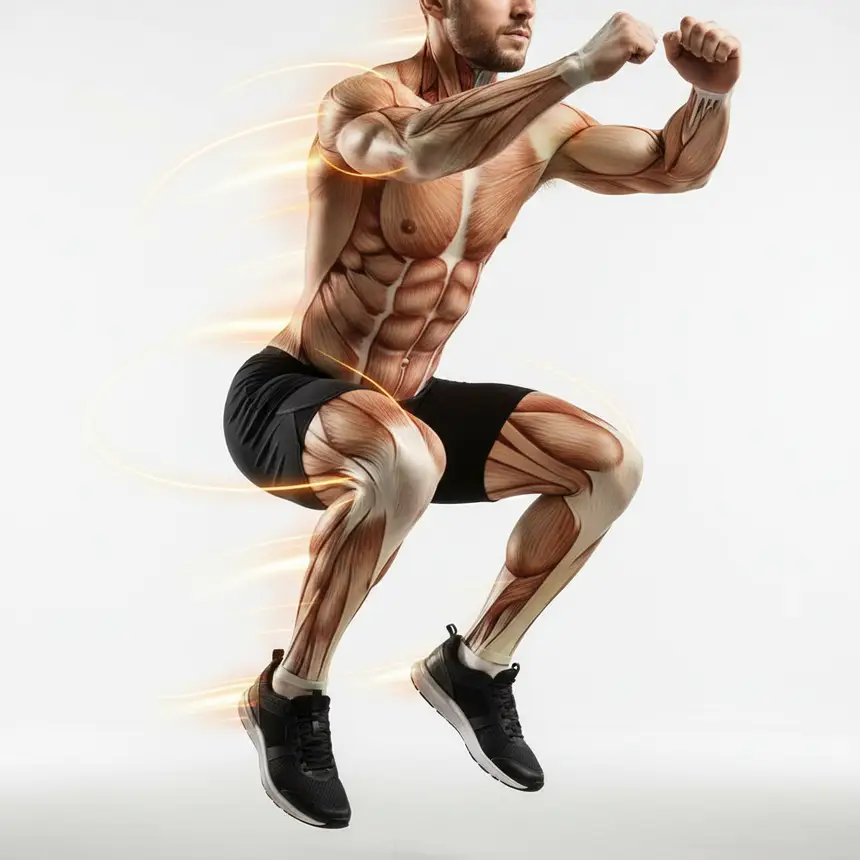
Concerned about the appearance of your bow legs? This guide breaks down the causes of leg misalignment and provides easy-to-follow hip stretches and inner thigh strengthening routines you can do at home. Transform your leg shape with effective exercises and better daily habits.

Are You Concerned About Your Leg Alignment?
Many people find themselves scrutinizing their leg shape in front of the mirror. A common concern is the appearance of bow legs, where the knees do not touch when standing with feet together. This isn't just about aesthetics; it can impact your gait and overall body balance. Do you often feel self-conscious about the gap between your knees, or find yourself constantly adjusting your clothing to hide it? Perhaps you even experience discomfort in certain areas after walking for extended periods. These concerns go beyond just how you look. Misalignment in your legs can place undue stress on your hips and spine, potentially affecting your overall physical health in the long run. But there's good news: many cases of perceived bow legs can be significantly improved with the right approach. Let's explore how you can address these concerns and work towards achieving healthier, more aligned legs.
Understanding the Root Cause of Your Leg Shape
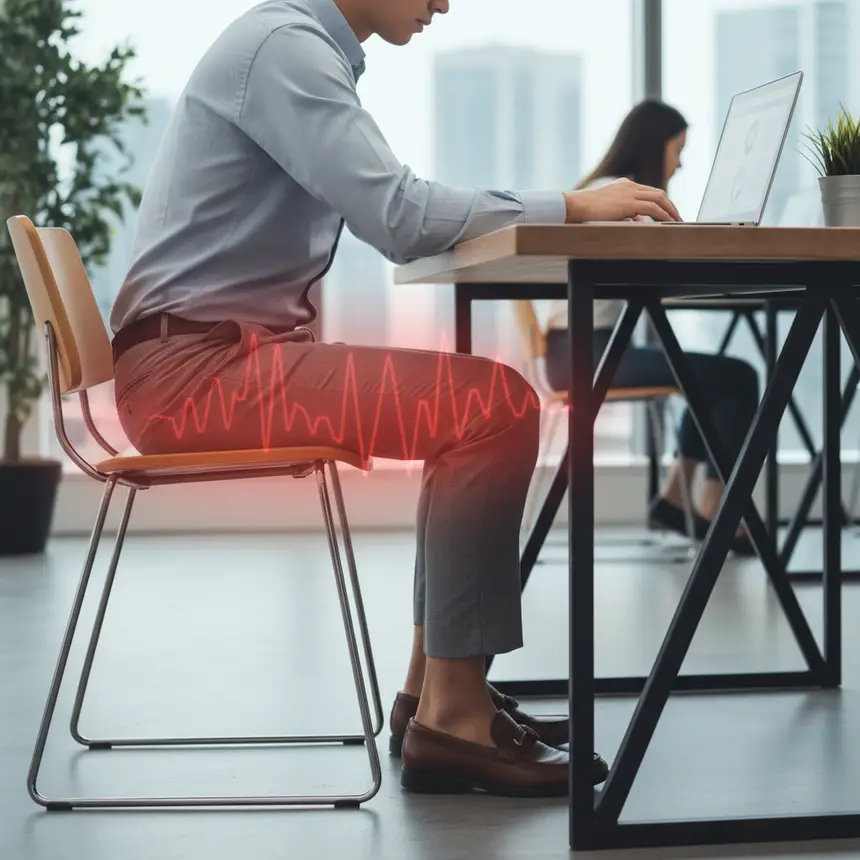
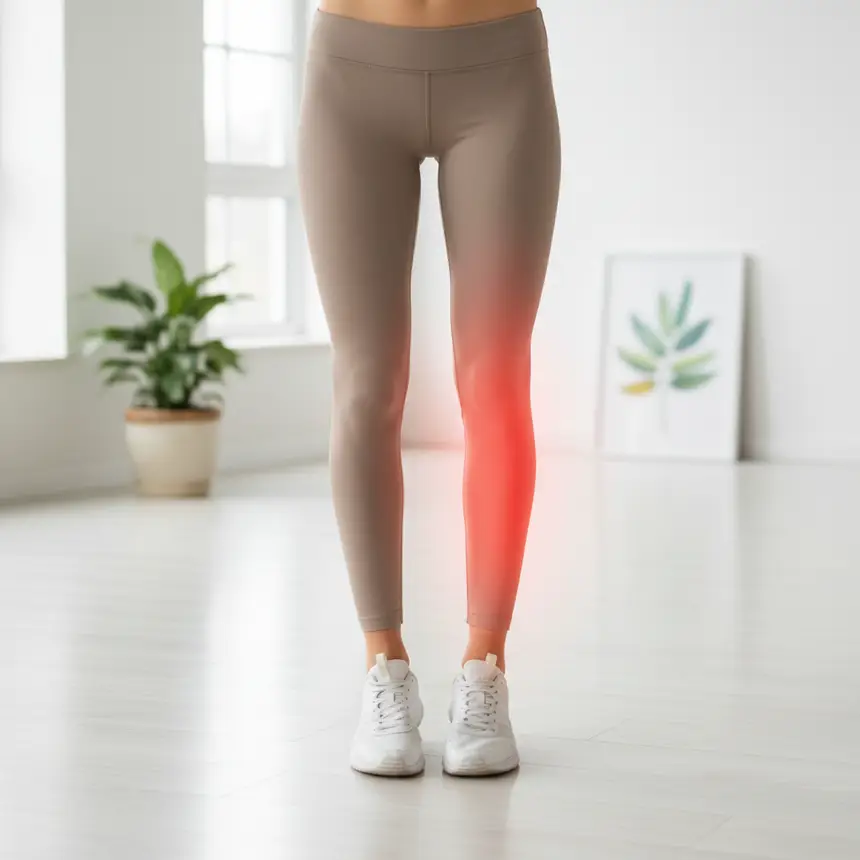
The appearance of bowed legs can generally be categorized into two main types, each requiring a different approach. The first type involves structural bone deformities. In such cases, exercise alone may not be sufficient, and professional medical advice is often recommended for an accurate diagnosis and treatment plan. The second, and more common type, is 'functional bow legs.' This occurs due to rotational imbalances in the hip and thigh bones, or muscular imbalances around these joints. Fortunately, functional bow legs can often be greatly improved through consistent exercise and modifications to daily habits. A simple self-assessment can help you determine your situation: stand on a flat surface with your ankles touching. If there's a gap of approximately 1.2 inches (3 cm) or more between your knees, you might have some degree of leg bowing. If you can consciously bring your knees closer together with relative ease, it's highly likely that your condition is functional, stemming from muscle imbalances. Common culprits include poor sitting posture, habitually crossing your legs, and prolonged sedentary lifestyles, which can weaken the gluteal muscles and lead to an inward rotation of the thigh bones.
※ This post contains affiliate links. I may earn a commission at no extra cost to you.

Key Exercises for Achieving Balanced Leg Alignment
To effectively improve your leg alignment, a two-pronged approach is essential: releasing tension in overworked muscles and strengthening underactive ones.
1. Enhance Flexibility: Hip Joint Stretches
Tightness in the outer thigh muscles and the external rotators of the hip can cause the legs to twist outwards. Improving flexibility in these areas is crucial.
2. Strengthen Muscles: Inner Thigh Exercises
The adductor muscles, located on your inner thighs, are responsible for bringing your legs together. Weak adductors can cause your knees to splay outwards, making your legs appear more bowed. Strengthening these muscles helps to draw your knees inward naturally.
1. Enhance Flexibility: Hip Joint Stretches
Tightness in the outer thigh muscles and the external rotators of the hip can cause the legs to twist outwards. Improving flexibility in these areas is crucial.
- Butterfly Stretch: Sit on the floor with the soles of your feet together, letting your knees fall open to the sides. Keep your spine straight, exhale, and gently press your knees towards the floor. Hold for 20 to 30 seconds, repeating for 3 sets. Focus on feeling a gentle stretch in your inner thighs and hips, being careful not to round your lower back.
2. Strengthen Muscles: Inner Thigh Exercises
The adductor muscles, located on your inner thighs, are responsible for bringing your legs together. Weak adductors can cause your knees to splay outwards, making your legs appear more bowed. Strengthening these muscles helps to draw your knees inward naturally.
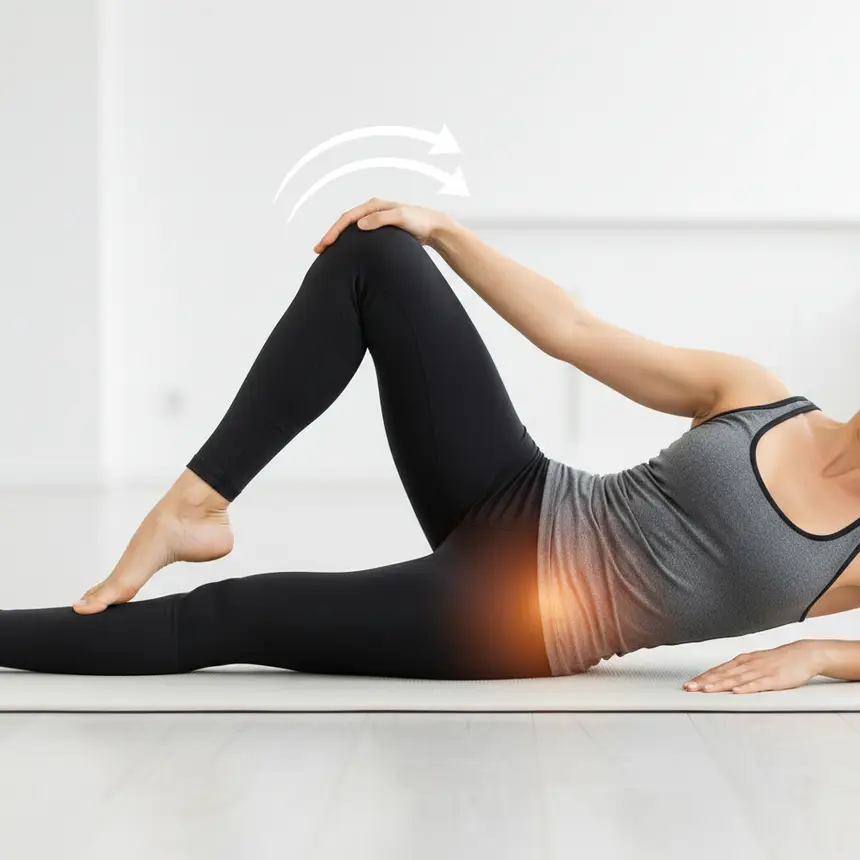
- Clamshell Exercise: Lie on your side with your knees bent at about a 90-degree angle and your hips flexed to about 45 degrees. Keeping your feet together, slowly lift your top knee towards the ceiling. Engage your core to prevent your torso from rotating. Perform 10 to 15 repetitions for 3 sets. This exercise not only targets your inner thighs but also strengthens your gluteus medius, contributing to better hip stability.
Small Daily Changes, Big Results for Leg Alignment
Achieving improved leg alignment yields the best results when consistent exercise is combined with mindful adjustments to your daily habits. Incorporate the following routine and tips starting today.
- Recommended Exercise Routine: Begin with the Butterfly Stretch for 3 sets of 30 seconds each to release tension around your hip joints. Follow this with the Clamshell exercise, performing 3 sets of 15 repetitions on each side to strengthen your adductors. For an added boost, try isometric adductor exercises: sit against a wall, place a cushion between your knees, and squeeze it forcefully for 10 seconds, repeating 10 times.
- Adopt Good Posture Habits: Habits like crossing your legs or sitting in a cross-legged position for extended periods can worsen leg misalignment. When sitting in a chair, keep both feet flat on the floor and parallel. When walking, avoid an excessive 'duck-footed' gait (feet pointing outwards) and instead aim to keep your feet pointing straight ahead, as if on parallel tracks. Simply walking and sitting correctly can positively influence your leg alignment.
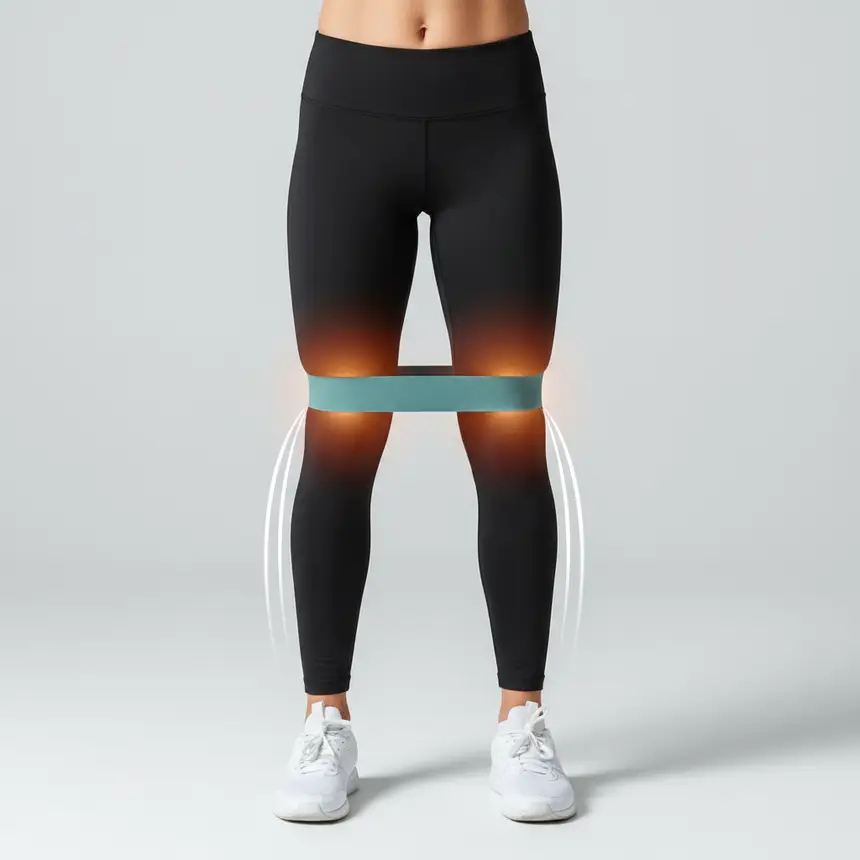
- Utilize Support Tools: To enhance your exercise results, consider incorporating simple tools. A foam roller can be used to gently release tightness in your outer thigh fascia, which can increase your range of motion during stretches and aid muscle relaxation before and after workouts. Additionally, using a resistance band around your knees during clamshell exercises can provide greater resistance to your adductors and glutes, maximizing muscle strengthening effects. Consistency is key, so start making these small changes today!
Frequently Asked Questions
Q. Can exercise truly help straighten bowed legs?
A. Yes, significant improvement is possible. If your condition is due to muscle imbalances rather than structural bone issues, consistent stretching, strengthening exercises, and correct posture can help improve leg alignment and enhance their appearance.
Q. How often should I do leg correction exercises for them to be effective?
A. Daily practice is ideal, but consistently exercising 3-4 times a week is also very beneficial. Muscles need recovery time, so it's good to start every other day and gradually increase frequency. The most important factor is consistency.
Q. What daily habits should I avoid if I want to improve bowed legs?
A. Habits like crossing your legs or sitting cross-legged for long periods can create imbalances in your pelvis and hips, negatively impacting leg alignment. Also, avoid a 'duck-footed' gait where your feet point excessively outwards when walking, as this can worsen external hip rotation.
Q. Besides exercise, what else can help improve leg alignment?
A. Walking with your feet pointing straight ahead (like on parallel tracks) can encourage proper hip alignment. Maintaining good posture, such as distributing your weight evenly on both feet when standing, is also helpful. Additionally, using arch-support insoles if you have flat feet can further assist in improving alignment.