Discover CrossFit, the high-intensity full-body workout that transforms your fitness. Learn how to maximize results in less time and safely start your CrossFit journey.

The Transformative Power of High-Intensity CrossFit Workouts
If you're looking to revitalize your energy or rapidly elevate your overall fitness, CrossFit might be the answer. More than just a strength program, CrossFit integrates elements of weightlifting, gymnastics, and cardio to simultaneously enhance diverse physical capabilities like cardiovascular endurance, flexibility, and balance. Consistent participation activates every muscle, maximizing your overall physical function. This also contributes to stress reduction and can alleviate daily fatigue. Think of a well-rehearsed orchestra harmoniously blending various instruments to create rich music; CrossFit combines diverse workout elements to forge a powerful and well-balanced physique. Assess your current fitness level, set challenging goals, and begin your CrossFit transformation today.
Getting Started with CrossFit: A Beginner's Step-by-Step Guide
Mastering Fundamental Movements
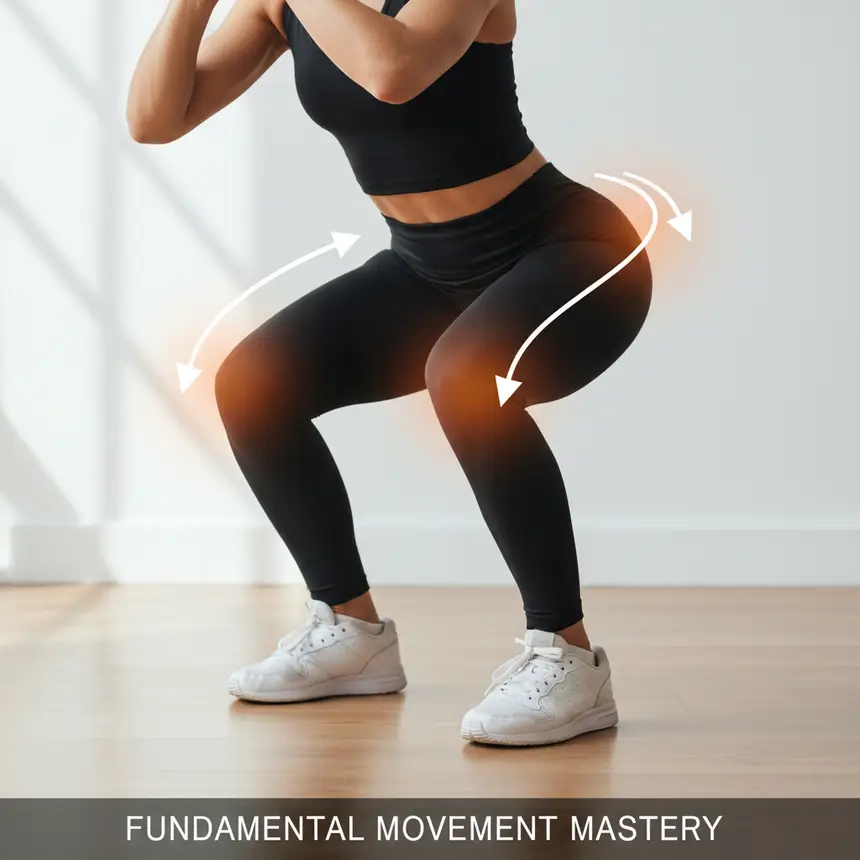
While CrossFit is a blend of various exercises, just like any sturdy building requires a strong foundation, mastering correct basic movements is paramount. Start with bodyweight exercises such as squats, deadlifts, push-ups, and lunges, focusing on perfecting your form. Rather than immediately tackling heavy weights or complex techniques, concentrate on understanding and internalizing the proper mechanics of each movement. Guidance from an experienced coach significantly reduces injury risk and accelerates foundational learning.
Understanding Workout Routines and Intensity
One of CrossFit's greatest appeals is the daily variety offered by the WOD (Workout Of the Day) program. This keeps workouts engaging and provides continuous motivation. As a beginner, it's wise to start with formats like AMRAP (As Many Rounds As Possible), performing as many rounds as possible within a set time, or by scaling down the number of repetitions per movement to match your current fitness level. Adjusting intensity flexibly according to your energy and condition is crucial. Always prioritize proper warm-ups and cool-downs before and after your session, and ensure adequate hydration throughout.
While CrossFit is a blend of various exercises, just like any sturdy building requires a strong foundation, mastering correct basic movements is paramount. Start with bodyweight exercises such as squats, deadlifts, push-ups, and lunges, focusing on perfecting your form. Rather than immediately tackling heavy weights or complex techniques, concentrate on understanding and internalizing the proper mechanics of each movement. Guidance from an experienced coach significantly reduces injury risk and accelerates foundational learning.
Understanding Workout Routines and Intensity
One of CrossFit's greatest appeals is the daily variety offered by the WOD (Workout Of the Day) program. This keeps workouts engaging and provides continuous motivation. As a beginner, it's wise to start with formats like AMRAP (As Many Rounds As Possible), performing as many rounds as possible within a set time, or by scaling down the number of repetitions per movement to match your current fitness level. Adjusting intensity flexibly according to your energy and condition is crucial. Always prioritize proper warm-ups and cool-downs before and after your session, and ensure adequate hydration throughout.
※ This post contains affiliate links. I may earn a commission at no extra cost to you.

Essential Advice for a Safe and Effective CrossFit Journey
Prioritizing Injury Prevention
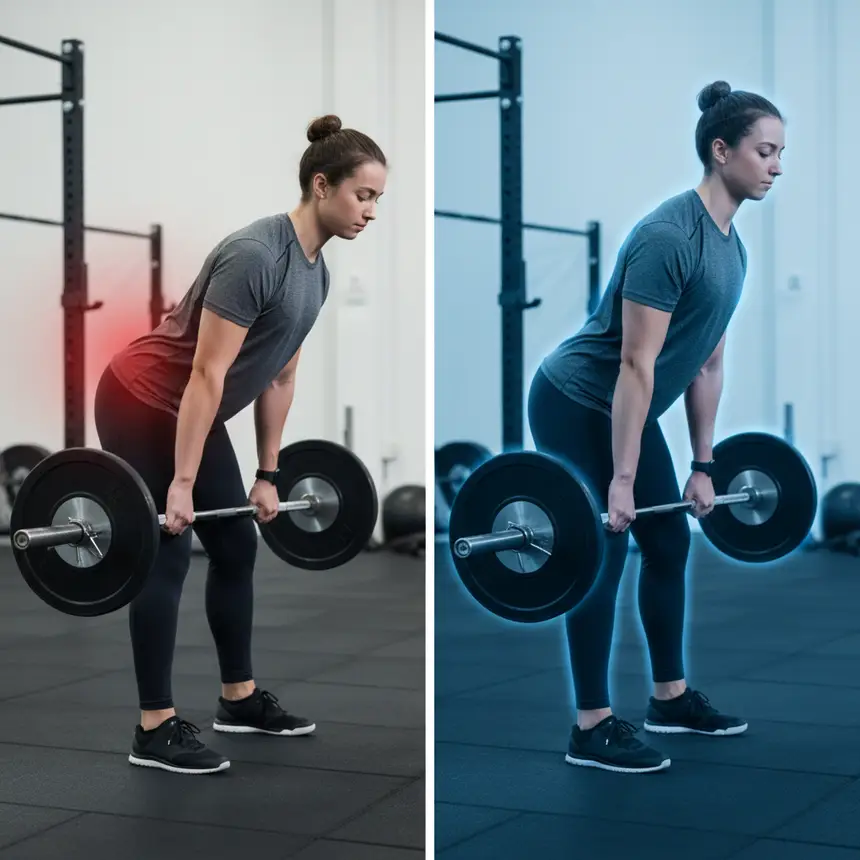
Given CrossFit's high-intensity nature, safety is of utmost importance. To prevent injuries, consistently maintain proper form and always follow the guidance of a qualified coach. Avoid pushing beyond your current limits with excessively heavy weights or high speeds. Just as a driver adheres to speed limits, working within your body's capacity is a wise approach for long-term progress. Furthermore, ensuring sufficient sleep and proper nutrition is vital to allow your body ample time to fully recover after workouts.
Is CrossFit Right for You?
CrossFit appeals to individuals from diverse backgrounds. If you are someone who is -
Given CrossFit's high-intensity nature, safety is of utmost importance. To prevent injuries, consistently maintain proper form and always follow the guidance of a qualified coach. Avoid pushing beyond your current limits with excessively heavy weights or high speeds. Just as a driver adheres to speed limits, working within your body's capacity is a wise approach for long-term progress. Furthermore, ensuring sufficient sleep and proper nutrition is vital to allow your body ample time to fully recover after workouts.
Is CrossFit Right for You?
CrossFit appeals to individuals from diverse backgrounds. If you are someone who is -
- Tired of your usual workout routine and seeking a new challenge
- A busy individual looking to maximize full-body workout benefits in less time
- Motivated by the camaraderie and energy of group fitness settings
- Aiming to simultaneously improve both your strength and stamina
Frequently Asked Questions
Q. Isn't CrossFit too intense for beginners?
A. While CrossFit is a high-intensity workout, the intensity and weights can be scaled to match individual fitness levels. Beginners typically start with bodyweight exercises and gradually increase difficulty, making it accessible to everyone.
Q. Will CrossFit make women too bulky?
A. Generally, women have lower levels of muscle-building hormones than men, making it difficult to gain muscle mass to the extent of a professional bodybuilder. Instead, CrossFit is highly effective for building a toned and well-balanced physique.
Q. What should I do to prepare before starting CrossFit?
A. No special equipment is needed, but comfortable workout clothes and athletic shoes are essential. When starting, focusing on learning proper form is more crucial than building foundational strength.
Q. Is it okay to do CrossFit every day?
A. CrossFit is a high-intensity exercise, so allowing your body time to recover is important. Aim for about 3-5 sessions per week, and use the remaining days for rest or light activities.