An exercise guide for working women who want to prioritize their health amidst busy work and social schedules. Discover practical ways and effective strategies to consistently move your body by utilizing small pockets of time.

Feeling Drained After Work? How's Your Wellness Holding Up?
Let's be real: for many working women, finding time to exercise amidst a demanding job and after-hours commitments feels like an impossible task. You spend your day glued to a desk, feeling your body stiffen up and fatigue piling on. Do you constantly think, 'I really should work out,' but never quite get there? We all know consistent movement is crucial for health, yet daily pressures often lead us to just give up. But don't throw in the towel just yet! Small shifts in your daily habits can absolutely help you reclaim your health and boost your energy, even with the busiest schedule.
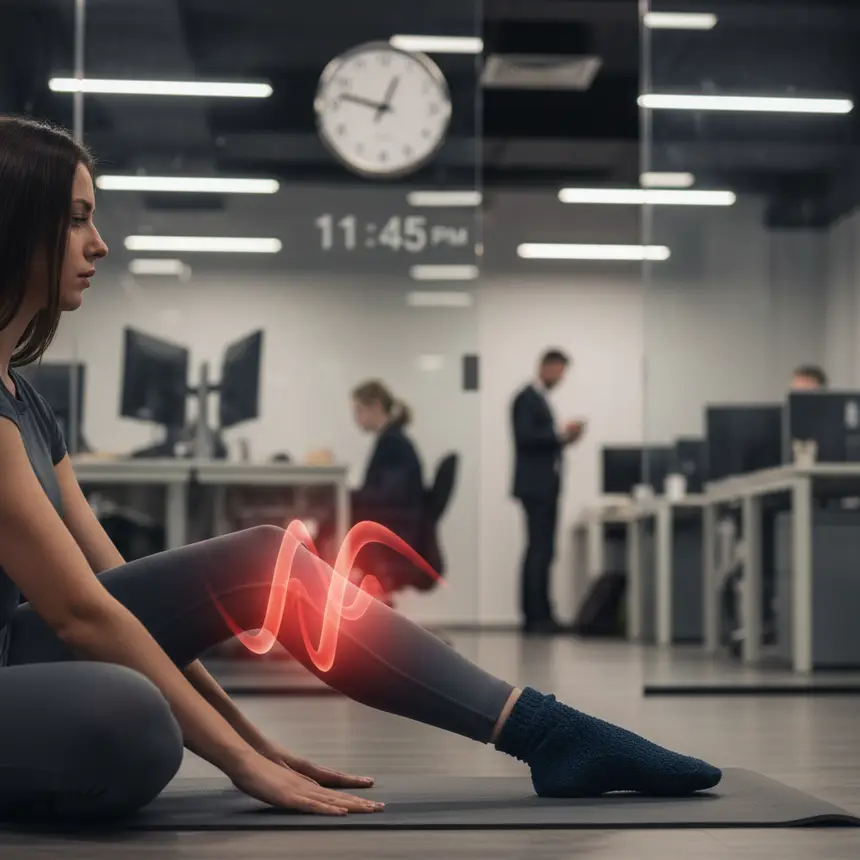
Why Is Consistent Exercise Such a Hurdle for Professionals?
When we look at why it's so tough for working women to stick to a fitness routine, a few common themes pop up. First off, there's just not enough time. Between commuting, work hours, late meetings, and household chores, personal time often gets squeezed out. Secondly, the sheer exhaustion is a huge factor. By the time you clock out, your mind and body are already spent, leaving little to no energy for a workout. And third, that pesky pressure for perfection. Many of us feel like if we're going to start exercising, we have to do it perfectly, which can actually prevent us from starting at all, or lead us to quit entirely if we miss a session. These factors often combine, creating a real roadblock to maintaining consistent exercise.
※ This post contains affiliate links. I may earn a commission at no extra cost to you.


Smart Strategies for Staying Active, Even with a Jam-Packed Schedule
Even with a crazy schedule, there are plenty of effective ways to get your body moving. The key is to find activities you can do 'anytime, anywhere' and weave them into your daily life.
- Maximize Your Commute for Cardio: Turn your commute into a mini-workout. Try getting off the bus or train a stop or two early and walking the rest of the way, or consider biking to work. These small changes can add up to significant cardiovascular benefits. During your lunch break or a quick coffee break, take the stairs instead of the elevator, or power-walk around your office building for 10-15 minutes.
- Quick & Effective Strength Training: No time for the gym? No problem! Bodyweight exercises or simple home workouts with minimal equipment are your best friends. Focusing on fundamental moves like squats, lunges, push-ups, and planks for 15-20 minutes can provide a great muscle stimulus. Instead of rigid scheduling, aim for something flexible, like '15 minutes after work today.'
- Weekend Recharge with Active Fun: Use your weekends to make up for any activity you missed during the week. Consider a moderate hike in nature, a leisurely walk through a park, or any enjoyable activity that gets you moving. This not only boosts your physical activity but also acts as a fantastic mental stress reliever.

Realistic Tips for Building a Lasting Fitness Habit
To keep up with your fitness journey, it's crucial to set realistic goals and adopt a self-encouraging mindset.
- Start Small, Build Big: Instead of setting lofty goals right off the bat, aim for achievable, bite-sized goals like 'walk for 30 minutes daily' or 'do 15 minutes of bodyweight exercises three times a week.' Small successes build momentum and confidence.
- Track Progress & Celebrate Wins: Keep a workout journal or use a fitness tracker app to visually monitor your activity. Seeing your efforts can be a huge motivator. When you hit a goal, treat yourself to a small reward or take a moment to give yourself positive affirmation.
- Flexible Workout Planning: Don't feel bound by a strict routine. Be flexible and adjust your workout type or intensity based on your daily energy levels and schedule. Developing a 'Plan B' is key—for example, 'I couldn't make it to my spin class, so I'll walk an extra stop on my way home instead.'
- Prioritize Rest & Recovery: Rest is just as vital as the workout itself. Over-exercising can lead to burnout and injuries. Make sure you get enough sleep and incorporate gentle stretching or light yoga to help your muscles recover.

Small Movements, Big Impact: The Power of Consistency
Maintaining a perfect workout routine in a demanding professional life is undeniably tough. But what truly matters isn't how perfectly you exercised each day, but how consistently you made an effort to move your body. A habit of even 10 or 20 minutes of daily movement, sustained over time, can lead to incredible transformations. It will not only boost your physical endurance but also significantly reduce stress, enhance focus, and improve your overall vitality. Embrace the small victory of 'I moved today' to foster a positive self-image and continue your journey toward a healthier life. Your efforts are absolutely worth it.
Frequently Asked Questions
Q. What are the best exercises for a busy professional?
A. I'd highly recommend easily accessible cardio like 'walking' and 'stair climbing,' which require no special equipment and can be done anywhere. Also, efficient strength exercises like 'bodyweight squats' and 'planks' offer a great workout in a short amount of time. Activities that seamlessly fit into your daily routine tend to be the most sustainable.
Q. What should I do if I genuinely have no time for exercise?
A. If carving out dedicated 'workout time' is impossible, look for ways to increase your activity level within your daily life. Incorporate 'micro-workouts' like a 10-minute walk during lunch, taking the stairs instead of the elevator, or quick stretches at home after work. Making these small, frequent movements a habit is what counts.
Q. I start exercising, but I quickly get tired or lose interest. How can I overcome this?
A. Instead of setting overly ambitious goals from the start, try to find activities you genuinely enjoy. Also, set small, achievable fitness goals and celebrate each time you reach one. Sometimes, exercising with a friend or trying a variety of different workouts can also help keep things interesting and prevent boredom.
Q. It's too hard to manage both exercise and diet as a working professional. Any advice?
A. Instead of aiming for a perfect diet, start with small, realistic changes. Begin by reducing processed foods and drinking plenty of water. Gradually incorporate healthier choices like adding fresh vegetables to your lunch or opting for nuts and fruits as snacks. Building healthy eating habits step-by-step is more sustainable in the long run.