Discover everything about the hip bridge exercise to strengthen your glutes and core simultaneously. This practical guide provides correct form and various modifications to build a strong lower body and stable body balance.

H2. Battling Everyday Aches? The Root of the Problem Might Surprise You
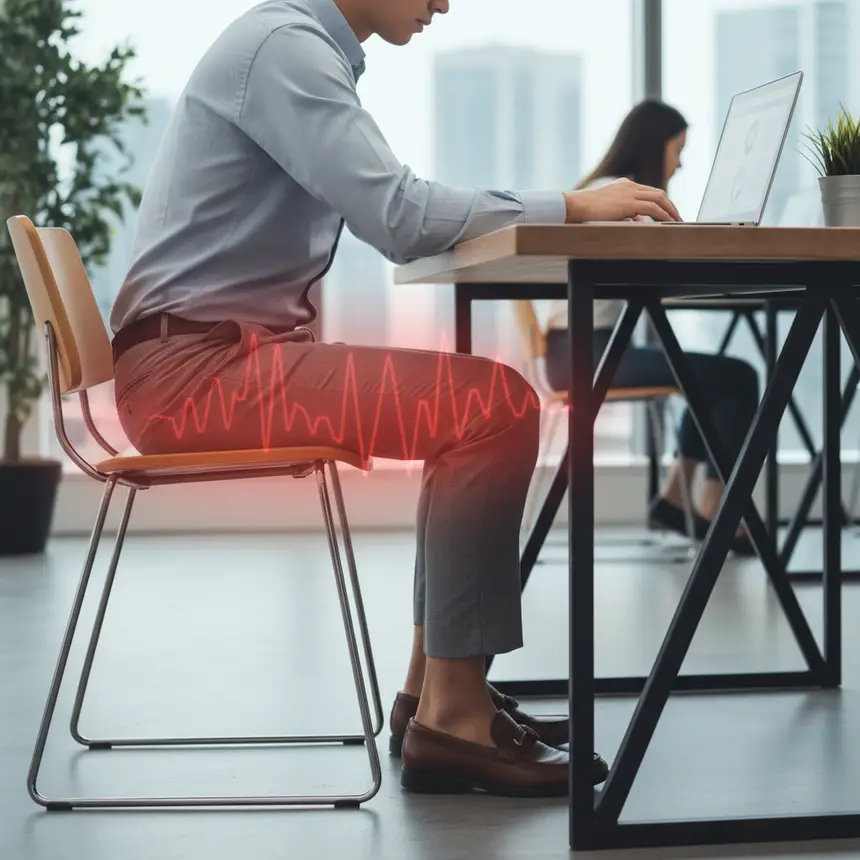
In our modern, sedentary lifestyles, it's common to experience weak glutes and nagging lower back pain. You might find yourself easily fatigued climbing stairs or notice your knees complaining when you stand up. These aren't just minor inconveniences; they're often signals that your core and gluteal muscles, crucial for supporting your entire body, aren't pulling their weight. Strong glutes do more than just make your physique look good; they're essential for protecting your lower back and knee joints, and they significantly boost overall body stability. But where do you even start to address this? Fortunately, the hip bridge exercise offers a simple yet remarkably effective solution that you can perform right in your own home to strengthen your entire posterior chain.

H2. The Hidden Dangers of a Weak Posterior Chain
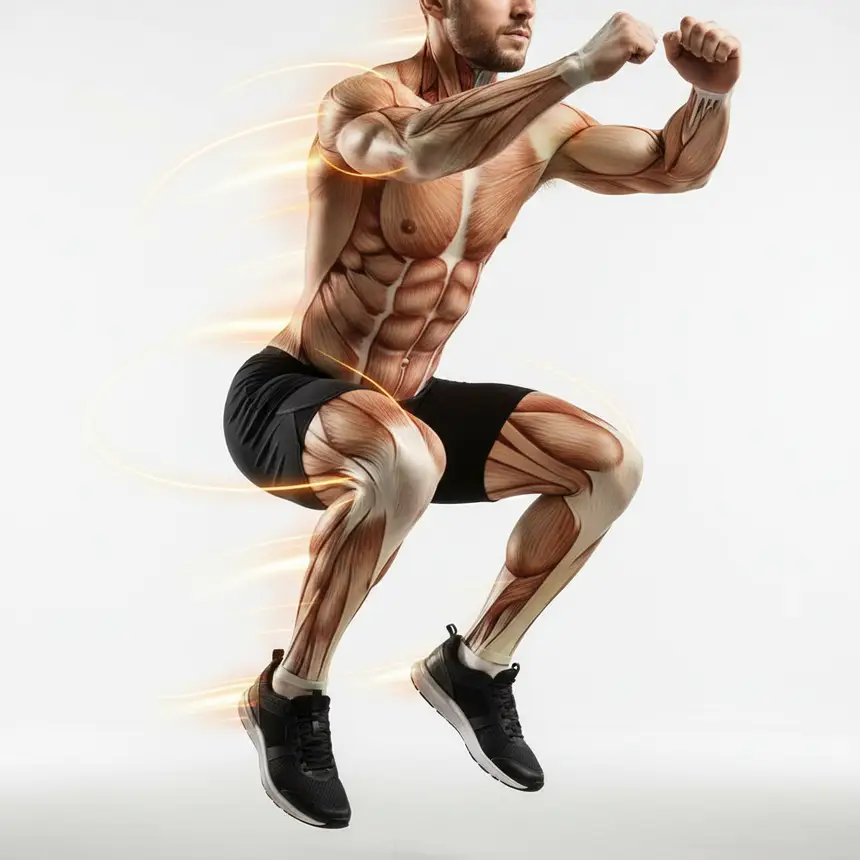
The posterior chain, which refers to the muscles running along the back of your body, plays a pivotal role in spinal support, maintaining good posture, and powering all your movements, from walking to running. Your glutes, in particular, are among the largest muscles in your body, initiating and accelerating lower body movements and stabilizing your pelvis. When this crucial chain—comprising your glutes, hamstrings, and erector spinae—becomes weak, a cascade of issues can arise. You might notice unsteady gait, reduced balance, and an increased risk of injury during physical activity. Furthermore, when your gluteal muscles aren't functioning optimally, other areas like your lower back or knees bear an excessive load, often leading to discomfort or pain. To break this cycle and maintain a healthy physique, strengthening your posterior chain, especially your glutes, is absolutely vital.
※ This post contains affiliate links. I may earn a commission at no extra cost to you.


H2. Sculpt a Stronger Lower Body and Stable Core with Hip Bridges
The hip bridge is a foundational yet incredibly powerful exercise that effectively activates your entire posterior chain, including your glutes. When performed correctly, it simultaneously strengthens your glutes, hamstrings, and core muscles.
1. Basic Hip Bridge Technique:
2. Progressions and Variations:
1. Basic Hip Bridge Technique:
- Lie on your back with your knees bent and feet flat on the floor, about shoulder-width apart. Keep your arms relaxed by your sides.
- Engage your abdominal muscles to keep your lower back from arching excessively. Then, squeeze your glutes to lift your hips toward the ceiling. Aim for a straight line from your knees through your hips to your shoulders.
- Hold briefly at the top of the movement, then slowly lower your hips back down to the floor, starting with your upper back and letting your glutes touch last. Exhale as you lift your hips and inhale as you lower them.
2. Progressions and Variations:
- Elevated Heels (Calf Raise Hybrid): From the hip bridge position, lift your heels off the floor. This variation adds extra challenge to your calves and ankle stabilizing muscles. Ensure your toes and the balls of your feet remain firmly planted.
- Single-Leg Hip Bridge: Start in the basic hip bridge position, then lift one leg, bending your knee to 90 degrees. Now, lift your hips using only the supporting leg. This is excellent for improving pelvic stability and unilateral strength, allowing you to focus on one glute at a time. Be mindful to keep your hips level and avoid tilting.

H2. Achieving Results: Tips for Consistent Progress
To maximize the benefits of your hip bridge workout, it's not just about going through the motions; a few key principles will help. First, focus on the 'feel.' Concentrate on the contraction and relaxation of your gluteal muscles to ensure you're engaging the correct muscles. Second, gradually increase the challenge. Start with 3 sets of 10-15 repetitions of the basic hip bridge. Once your form is solid, try variations like the single-leg hip bridge or the elevated heels modification. Third, consistency is key. Aim for 3-4 sessions per week, and you'll be amazed at the transformation. Fourth, don't forget your breathing. Proper breathing synchronized with the movement is crucial for muscle activation and overall effectiveness. Initially, practicing in front of a mirror can help you refine your form and ensure proper alignment.

H2. Your Journey to Stronger Movement Starts Here with Hip Bridges
From alleviating minor daily discomforts to significantly boosting your athletic performance, the hip bridge is a potent exercise that can bring about remarkable positive changes in your body. While it might feel a bit awkward at first, consistent practice will awaken your glutes and solidify your core, a feeling you'll undoubtedly appreciate. No need for a gym membership or fancy equipment; the hip bridge can be conveniently performed in the comfort of your home, making it an excellent first step towards a healthier lifestyle. Don't wait—start incorporating hip bridges into your routine today to build a stronger, more stable you. Small actions lead to big changes. Invest in your body; the time is now!
Frequently Asked Questions
Q. Why do my lower back hurt during hip bridges?
A. Lower back pain during hip bridges often indicates that you're using your lower back muscles more than your glutes. Ensure you're engaging your core to prevent your lower back from arching too much. Focus on squeezing your glutes to lift, and don't lift your hips higher than where your knees, hips, and shoulders form a straight line.
Q. How often should I do hip bridges to see results?
A. A good general recommendation is to perform hip bridges 3-4 times per week. This allows your muscles time to recover while still providing consistent stimulation. Aim for 10-15 repetitions per set, gradually increasing the number of sets or incorporating more challenging variations as you get stronger.
Q. I don't feel it in my glutes. Any tips for better glute activation?
A. If you struggle to feel your glutes working, try performing some light glute activation exercises or foam rolling around your hips before starting. During the hip bridge, just before you lift your hips, consciously squeeze your glutes as hard as you can. Imagine you're holding a small object between your glute cheeks and trying to crush it; this mental cue can significantly improve glute engagement.