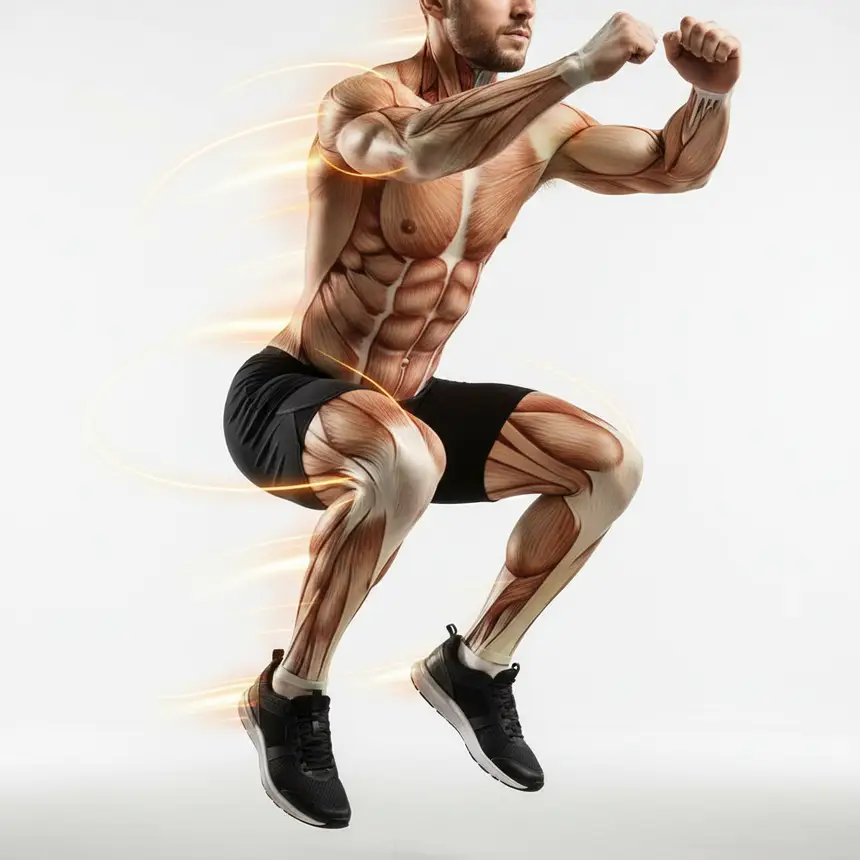
Discover effective shoulder broadening exercises for a balanced physique and improved posture. From targeting lateral deltoids to a holistic approach for shoulder muscle development, this guide has you covered.

The Value Beyond Aesthetics: Why Broader Shoulders Matter
Beyond simply enhancing your appearance in clothes, developing broad, well-defined shoulders plays a crucial role in maintaining overall body balance and good posture. For those aiming to build a more athletic "V-taper" physique or improve the look of a narrow upper body, shoulder-broadening exercises are indispensable. Consistent shoulder training not only boosts confidence but also significantly improves functional strength for daily activities. Strong shoulders stabilize arm movements and can even make other upper-body workouts more efficient. The key isn't just to add bulk, but to harmoniously develop all the muscles that make up your shoulder for a three-dimensional look. Specifically, developing the lateral deltoid muscle group can create a significant visual effect, making your shoulders appear much wider.

Key Exercises and Routines for Your Shoulder Goals
To achieve broader shoulders, it's essential to stimulate all three heads of the deltoid muscle group – anterior, lateral, and posterior – in a balanced way. However, if your primary goal is to emphasize width, then focusing on the lateral deltoids becomes paramount. Here are some highly effective exercises and a sample routine for building broader shoulders.
Sample Bi-Weekly Shoulder Routine
Ensure at least 48 hours of recovery between these routines to support muscle growth, and always incorporate a thorough warm-up and cool-down stretch to prevent injuries.
- Side Lateral Raise
- Overhead Press
- Face Pull
Sample Bi-Weekly Shoulder Routine
- Workout Day 1 (Intensity Focus)
- Side Lateral Raise: 4 sets x 12-15 reps
- Dumbbell Shoulder Press: 4 sets x 8-12 reps
- Modified Upright Row: 3 sets x 10 reps (Be cautious not to raise elbows above shoulders)
- Workout Day 2 (Volume Focus)
- Barbell Overhead Press: 4 sets x 6-10 reps
- Cable Lateral Raise: 3 sets x 15 reps
- Rear Delt Fly: 3 sets x 12-15 reps
Ensure at least 48 hours of recovery between these routines to support muscle growth, and always incorporate a thorough warm-up and cool-down stretch to prevent injuries.
※ This post contains affiliate links. I may earn a commission at no extra cost to you.


Strategies for Success: Consistency Makes the Difference
Successfully implementing a shoulder-broadening workout plan requires a few key strategies. First, you must apply the principle of "progressive overload." This means gradually increasing the weight, repetitions, or sets over time to continually challenge your muscles and prevent adaptation. Aim to add a small challenge to each workout session to keep stimulating muscle growth. Second, integrating pre- and post-workout stretching, warm-ups, and cool-downs into your routine is crucial. A proper warm-up prepares your muscles for exercise and reduces injury risk, while a cool-down aids muscle recovery. Third, keeping an exercise log can be incredibly beneficial for tracking your progress, staying motivated, and making necessary adjustments to your plan. Record what exercises you did, with what weight and reps, and use this to set your next goals. Finally, never forget the importance of balance with other muscle groups. Instead of solely focusing on shoulder exercises, train your back, chest, and arms evenly to achieve overall upper body symmetry, which is essential for that ideal physique.

Your Guide to Safe and Effective Shoulder Training: Precautions and Recommendations
The shoulder is a complex joint with delicate muscles, making it susceptible to injury. Therefore, proper form and adequate recovery are extremely important.
- Maintain Correct Form: When performing exercises like side lateral raises or overhead presses, it's crucial to minimize trapezius involvement and focus on engaging the deltoids. Use a mirror to check your form, and if necessary, seek guidance from a fitness professional to master correct movements. Incorrect form can lead to shoulder pain or disproportionate muscle development.
- Adequate Nutrition: Protein intake is indispensable for muscle growth. Aim for 1.6-2.2 grams of protein per kilogram of body weight, and ensure a balanced intake of carbohydrates and healthy fats to support muscle repair and energy supply.
- Sufficient Rest and Sleep: Shoulder muscles are relatively small, so overtraining can actually hinder growth. Ensure at least 48 hours of rest after a shoulder workout, and get 7-9 hours of quality sleep per night to allow your muscles to recover and grow.
- Who Can Benefit: Whether you're concerned about narrow shoulders, wish to improve your upper body silhouette, aim for overall physical balance, or want to enhance athletic performance, shoulder-broadening exercises can bring positive changes. It's essential to start with lighter weights and gradually increase the difficulty as you progress.
Frequently Asked Questions
Q. Is it better to do shoulder broadening exercises every day for better results?
A. Since shoulder muscles are relatively small, they require sufficient recovery time after a workout. Instead of training daily, it's more effective for muscle growth to focus on your shoulder workouts 2-3 times a week, ensuring at least 48 hours of rest between sessions.
Q. Can women also do shoulder broadening exercises? I'm worried about looking too bulky.
A. Absolutely, women can and should incorporate shoulder broadening exercises. Women typically don't build muscle as quickly or as largely as men, so developing broader, firmer shoulders actually enhances your physique, improves how clothes fit, and contributes to a healthy, balanced body shape. There's no need to worry about becoming excessively bulky.
Q. I feel like my traps are getting too involved during shoulder exercises. How can I fix this?
A. To minimize trap involvement, first reduce the weight and focus intensely on proper form. Specifically, during side lateral raises, be careful not to lift your elbows higher than your shoulders and avoid shrugging. Try to keep your shoulders slightly depressed and focus on feeling the movement in your lateral deltoids.
Q. What should I do if I experience severe pain after a shoulder workout?
A. While some muscle soreness after a workout is normal, if you experience sharp or persistent pain, you should stop exercising and rest. Applying a cold compress to the affected area or light massage might help. If the pain continues or worsens, it's advisable to consult with a professional.
Q. Are there ways to do shoulder exercises at home without dumbbells?
A. Yes, you can definitely work your shoulders without dumbbells. You can use household items like water bottles or books for exercises like side lateral raises and front raises. Resistance bands are also versatile tools for various shoulder movements. Even bodyweight exercises like plank variations and push-ups can engage your shoulder muscles effectively.