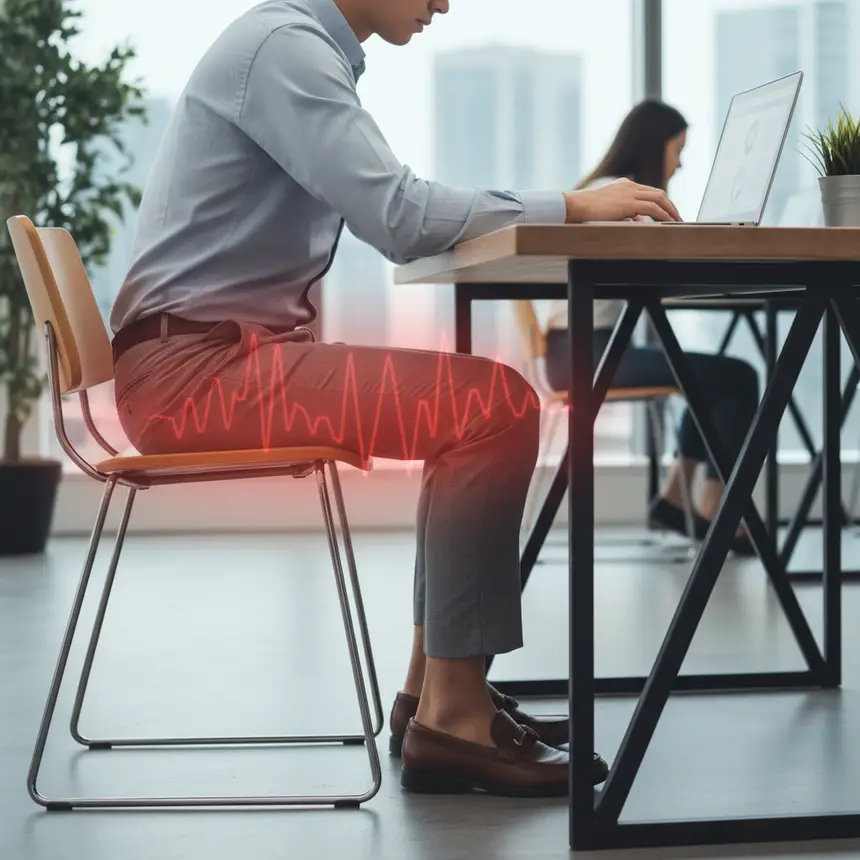
Discover how sling exercise can correct poor posture and strengthen your core. Learn about the amazing benefits, key movements, practical guides, and who can benefit most. Experience the world of sling exercise for a healthier, more balanced body.

H2. Finding Balance in Instability: The Transformative Power of Sling Exercise for Posture
Poor posture is a common ailment in modern life, leading to discomfort across the neck, shoulders, and lower back. Beyond just cosmetic concerns, it can contribute to chronic pain and restricted movement. Sling exercise offers an effective solution for correcting these postural imbalances. It leverages unstable suspension to actively engage deep core muscles and the postural muscles responsible for maintaining upright alignment. Imagine walking across a slightly swaying bridge; your body constantly works to stabilize itself, awakening muscles you rarely use. This process naturally encourages spinal alignment, gradually alleviating issues like pelvic tilt or rounded shoulders.
Consistent sling workouts significantly boost the strength of your core, which is vital for maintaining stable posture. This benefit extends beyond your gym sessions, translating into better posture in everyday activities and enhancing your overall quality of life.
Consistent sling workouts significantly boost the strength of your core, which is vital for maintaining stable posture. This benefit extends beyond your gym sessions, translating into better posture in everyday activities and enhancing your overall quality of life.

H2. Awakening Deep Muscles: Understanding Core Sling Exercise Movements
Sling exercise involves using specially designed straps to support or suspend parts of the body. This unstable support challenges your body to constantly seek balance, deeply stimulating core muscles that are typically hard to target. For instance, performing a prone leg lift with your feet in the slings effectively strengthens both the deep stabilizing muscles around the spine and the glutes simultaneously. Similarly, arm movements performed while seated with sling assistance can enhance shoulder joint stability and help address rounded shoulder posture.
Sling exercise programs are highly customizable, tailored to individual body assessments and strength levels. Initial stages focus on fundamental movements that activate the core with greater support. As strength improves, support is gradually reduced, and movement complexity increases to develop full-body strength and balance. For example, individuals with hip or lower back imbalances might perform sling exercises that restrict or assist rotational movements in specific directions, strengthening weaker muscles and relaxing overactive ones. Typically, exercises are performed for 2-3 sets of 10-15 repetitions, with adequate rest between sets being crucial.
Sling exercise programs are highly customizable, tailored to individual body assessments and strength levels. Initial stages focus on fundamental movements that activate the core with greater support. As strength improves, support is gradually reduced, and movement complexity increases to develop full-body strength and balance. For example, individuals with hip or lower back imbalances might perform sling exercises that restrict or assist rotational movements in specific directions, strengthening weaker muscles and relaxing overactive ones. Typically, exercises are performed for 2-3 sets of 10-15 repetitions, with adequate rest between sets being crucial.
※ This post contains affiliate links. I may earn a commission at no extra cost to you.


H2. The Key is Consistency: Integrating Sling Exercise into Your Daily Routine
To maximize the benefits of sling exercise, consistency and correct form are paramount. It's best to start at a level appropriate for your current physical ability and gradually increase intensity rather than attempting advanced movements too soon.
Here are some tips for maintaining a consistent sling exercise routine:
1. Consult a Professional: Before starting, it's crucial to understand your body's specific postural issues and muscle imbalances. Working with a certified instructor helps create a personalized workout plan and ensures you perform movements with correct form, preventing potential strain.
2. Aim for 2-3 Sessions Per Week: Regularly engaging in sling exercise 2-3 times a week is ideal. Scheduling your workouts can help establish it as a consistent habit.
3. Prioritize Warm-up and Cool-down: Always begin with a proper warm-up, including light cardio and dynamic stretches, and conclude with a cool-down to aid recovery and prevent injury.
4. Listen to Your Body: If you experience any pain during an exercise, stop immediately and consult an expert. Pushing through pain can lead to injuries.
5. Maintain Postural Awareness Daily: Apply the improved postural awareness gained from sling exercises to your daily life. Consciously trying to maintain good posture while sitting or standing will amplify the corrective effects.
Here are some tips for maintaining a consistent sling exercise routine:
1. Consult a Professional: Before starting, it's crucial to understand your body's specific postural issues and muscle imbalances. Working with a certified instructor helps create a personalized workout plan and ensures you perform movements with correct form, preventing potential strain.
2. Aim for 2-3 Sessions Per Week: Regularly engaging in sling exercise 2-3 times a week is ideal. Scheduling your workouts can help establish it as a consistent habit.
3. Prioritize Warm-up and Cool-down: Always begin with a proper warm-up, including light cardio and dynamic stretches, and conclude with a cool-down to aid recovery and prevent injury.
4. Listen to Your Body: If you experience any pain during an exercise, stop immediately and consult an expert. Pushing through pain can lead to injuries.
5. Maintain Postural Awareness Daily: Apply the improved postural awareness gained from sling exercises to your daily life. Consciously trying to maintain good posture while sitting or standing will amplify the corrective effects.

H2. Who Benefits Most from Sling Exercise? Precautions and Recommendations
While sling exercise is beneficial for many, it's not universally suitable. If you are experiencing acute pain or have recently undergone surgery, it's essential to consult a doctor or physical therapist before starting. To prevent injuries like joint strain or muscle tears from excessive load, always exercise safely within your physical limits. Professional guidance is also critical for pregnant individuals or those with specific medical conditions.
So, who is particularly recommended to try sling exercise?
So, who is particularly recommended to try sling exercise?
- Office Workers with Sedentary Lifestyles: For those experiencing neck, shoulder, or back pain due to prolonged sitting and poor posture, sling exercise can significantly help strengthen the core and correct alignment.
- Individuals Concerned About Postural Imbalances: If you notice uneven shoulder height or a tilted pelvis, sling exercises can help address these misalignments.
- Anyone Needing Core Strength Enhancement: It's highly effective for those looking to improve overall body stability and athletic performance.
- Athletes Seeking Injury Prevention: Strengthening the core and improving joint stability can enhance performance and reduce the risk of sports-related injuries.
- Women Postpartum Recovering Core Strength: Sling exercise can gradually help restore core strength and pelvic stability after childbirth.
Frequently Asked Questions
Q. How does sling exercise differ from Pilates?
A. Both sling exercise and Pilates focus on core strengthening and posture improvement, but they differ in tools and approach. Pilates typically uses equipment like springs or reformers to provide resistance or assistance for muscle strengthening. In contrast, sling exercise emphasizes activating deep core muscles more intensely by leveraging an unstable 'suspension' state, forcing the body to self-stabilize. Slings are particularly advantageous for simultaneously improving joint mobility and stability.
Q. Can sling exercise help relieve pain?
A. Yes, in many cases, sling exercise can help alleviate chronic pain caused by postural imbalances. Incorrect posture often leads to overuse or weakening of certain muscles, causing pain. Sling exercise helps resolve these muscle imbalances and increases core stability, contributing to addressing the root cause of pain. However, if you have acute pain or pain due to a specific medical condition, you must consult a healthcare professional before starting any exercise.
Q. How often should I do sling exercise to see results?
A. Generally, exercising consistently 2-3 times per week is most effective. The frequency and intensity can be adjusted based on individual physical condition and goals. The key is consistency over intensity. It’s best to work with an instructor to find a routine that suits you and stick with it.
Q. Can I do sling exercises at home?
A. While home sling equipment is available, the unstable nature of sling exercise makes proper form and safe usage crucial. For beginners, it's strongly recommended to start in a professional facility with qualified instructors. Performing exercises with incorrect form can lead to injury and reduce effectiveness. Once you are proficient and have expert advice, you might consider supplementary exercises at home.