Looking for an effective, quiet workout at home? The indoor stepper is your answer. Discover how to strengthen your lower body, boost cardio, and burn calories with this joint-friendly equipment. Transform your health even with a busy schedule and no noise complaints.

Transform Your Fitness Silently: Full-Body Benefits for Busy Lives
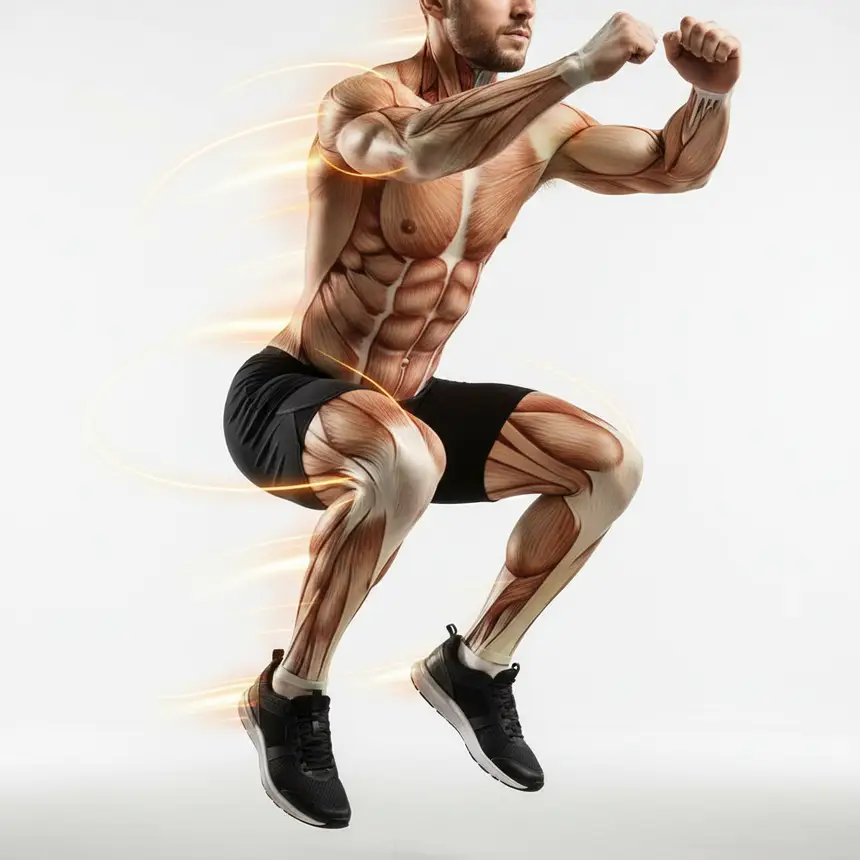
Finding consistent time for exercise can feel like a luxury in today's fast-paced world. However, the indoor stepper offers an incredibly efficient way to achieve a full-body workout without the usual constraints of time or space. This dynamic exercise primarily targets your thigh and glute muscles while simultaneously providing a robust cardiovascular workout. This means you're maximizing calorie expenditure and enhancing heart and lung function. The repetitive motion, akin to climbing stairs, not only strengthens your lower body but also does so with significantly less impact on your joints compared to traditional methods. It's a fantastic way to build a sustainable exercise habit, easily incorporated into your routine while watching TV or listening to music. Moreover, steppers designed with an air-cushioned system absorb impact noise, eliminating concerns about disturbing neighbors. This freedom allows you to work out anytime—late at night or early in the morning—ensuring your fitness journey doesn't disrupt your household or community.

Maximize Your Stepper Workout: From Intensity Control to Full-Body Engagement
To get the most out of your indoor stepper, understanding proper form and utilizing its features is key. Start by standing upright on the stepper, keeping your back straight and your gaze forward. Gently press down on the footplates with your entire foot, mimicking a stair-climbing motion. Be mindful that your knees shouldn't extend past your toes, and keep them slightly bent to protect your joints from strain. Most steppers allow you to adjust resistance, so tailor the intensity to your current fitness level. Begin with a lower setting and gradually increase it to prevent injury. A clear display showing workout duration, step count, and calories burned can significantly boost motivation and help you track progress efficiently. Furthermore, many steppers come equipped with resistance bands, transforming your lower-body routine into a comprehensive full-body session. As you step, you can simultaneously pull these bands to engage your shoulders and arms. Incorporating various upper-body band exercises can lead to balanced muscle development across your entire body.
※ This post contains affiliate links. I may earn a commission at no extra cost to you.


Safe and Effective Stepper Use: Tips and Ideal Candidates
Safety should always be your top priority with any exercise. Before starting your stepper routine, dedicate a few minutes to light stretching to warm up your muscles, and finish with a cool-down stretch to promote recovery. Avoid starting with excessively long durations or high intensities; instead, begin with short sessions of 10-15 minutes and gradually increase your workout time and resistance. If you experience any discomfort or pain, stop immediately and rest. Individuals with pre-existing joint conditions should consult a healthcare professional before beginning any new exercise regimen. The indoor stepper is particularly well-suited for busy professionals, students, or parents who struggle to find dedicated time for the gym. It's an excellent choice for anyone looking for convenient cardio and lower-body strength training at home, those who need a quiet workout solution, or seniors seeking a safe, low-impact way to enjoy the benefits of stair climbing. Its compact footprint also makes it ideal for smaller living spaces, offering a versatile fitness solution for almost any home.
Frequently Asked Questions
Q. Is stepper exercise hard on the knees?
A. When performed with correct form and on a stepper designed with shock-absorbing features (like air-cushioned footplates), it can be quite gentle on the knees. Ensure your knees don't go past your toes and start with lower intensity, gradually increasing as you get stronger.
Q. How often and for how long should I use the stepper for effective results?
A. A general recommendation is 3-5 times a week, for 20-40 minutes per session. However, it's crucial to adjust this based on your personal fitness level. Start with shorter sessions and build up gradually; consistency is more important than intensity initially.
Q. Can I lose weight by only doing stepper exercises?
A. Stepper exercise is an effective cardiovascular activity that helps burn calories, contributing to weight loss. However, for the best results, it should be combined with a balanced diet.
Q. Can I work my upper body with a stepper?
A. Yes, many stepper models come with integrated resistance bands for upper body workouts. This allows you to engage your arm and shoulder muscles simultaneously while stepping, providing a more comprehensive full-body workout.