Discover the importance and benefits of Pilates for office workers dealing with prolonged sitting. Correct posture, strengthen your core, alleviate chronic pain, and reclaim a vibrant daily life.

The Daily Grind: Posture Problems and Chronic Pain for Office Workers
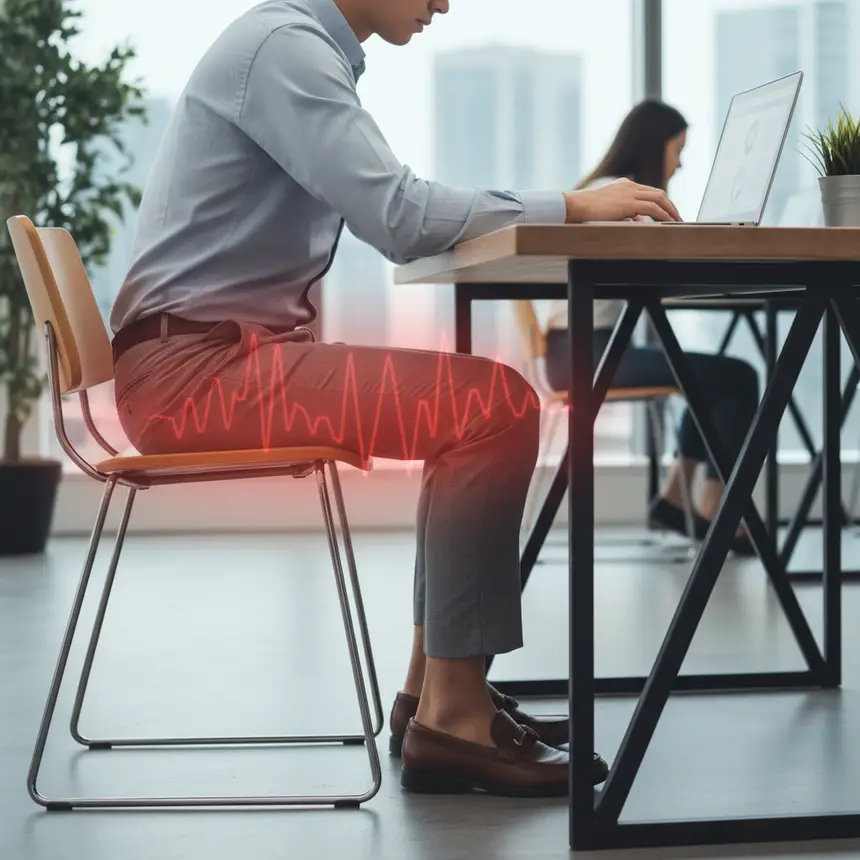
In today's corporate world, many professionals spend the majority of their day seated. While engrossed in tasks in front of a computer, it's all too common for shoulders to round, necks to crane forward, and lower backs to slump. This poor posture often leads to nagging neck and shoulder stiffness, persistent lower back pain, and even headaches, significantly impacting concentration at work and overall vitality. If you've noticed uneven shoulder or hip heights when looking in the mirror, or if you constantly battle discomfort, these are clear indicators of developing body imbalances. Such issues typically require more than simple stretching; they demand fundamental body alignment correction and core muscle strengthening. For busy professionals who struggle to find time for exercise, an efficient workout that balances the entire body becomes even more crucial.

Experience the Power of Pilates: Body Alignment and Core Strength
A fundamental solution to pain caused by imbalanced posture is to strengthen your core muscles—the body's central powerhouse—and realign your physique. Pilates is an ideal exercise method for this very purpose, using precise movements and controlled breathing to stabilize your center, strengthen weak muscles, and release overly tense ones. A significant advantage of Pilates, especially when using various equipment, is its adaptability to individual body conditions and goals. For instance, apparatus like the reformer utilize spring resistance to simultaneously improve strength and flexibility, offering deep muscle engagement that's often hard to achieve with mat exercises alone. Classes typically focus on strengthening the lower body and core muscles, as these areas are frequently used yet prone to weakening in daily life. Through the careful guidance of a certified instructor, learning correct form and understanding how your body moves goes beyond mere strength building; it enhances overall body awareness. Consistent Pilates practice is instrumental in leveling shoulders and hips and restoring the spine's natural curve, thus maintaining good posture. While challenging initially, personalizing the exercises to your body type will allow you to gradually feel the changes and increase your enthusiasm for the workout.
※ This post contains affiliate links. I may earn a commission at no extra cost to you.


Your Guide to a Healthier Change: Practice and Precautions
To regain body balance and health through Pilates, consistency and the right approach are key. Beginners should accurately assess their physical condition and start with foundational classes rather than attempting overly complex movements. Even if you have prior exercise experience, Pilates involves unique breathing techniques and movement principles, so it's best to start with beginner-level classes to familiarize yourself with the movements. When choosing group classes, opt for studios where instructors closely observe individual postures and provide feedback for more effective workouts. If you feel any pain during exercise, immediately inform your instructor and adjust the movement. Pushing through pain can lead to injuries, so always listen to your body's signals. It might feel daunting to start exercising after a long day at work, but regular Pilates can significantly help in stress relief and boosting vitality. Aim for two to three sessions a week, find an exercise environment that suits you, and build healthy habits. Consistent practice will undoubtedly reward you with remarkable physical changes and a more vibrant daily life.
Frequently Asked Questions
Q. Why is Pilates particularly good for correcting posture in office workers?
A. Pilates focuses on strengthening the core muscles, which stabilizes the spine and corrects muscle imbalances. This effectively alleviates rounded shoulders, text neck, and back pain caused by prolonged sitting, helping maintain proper posture.
Q. What type of Pilates class do you recommend for office workers just starting?
A. For beginners, reformer Pilates is often recommended. The apparatus assists in learning correct form more easily, and small group classes or private sessions with detailed instructor guidance are very effective.
Q. Why do I feel refreshed and invigorated after a Pilates session?
A. Pilates activates deep, often underused muscles, while also relaxing tense ones and promoting circulation throughout the body. This process releases stiffness, leading to that refreshed and invigorated feeling.
Q. How often should I do Pilates to see results?
A. While it varies based on individual goals and physical condition, generally, exercising consistently 2-3 times a week is recommended. You'll typically notice more significant positive changes in your body after consistently practicing for at least three months.