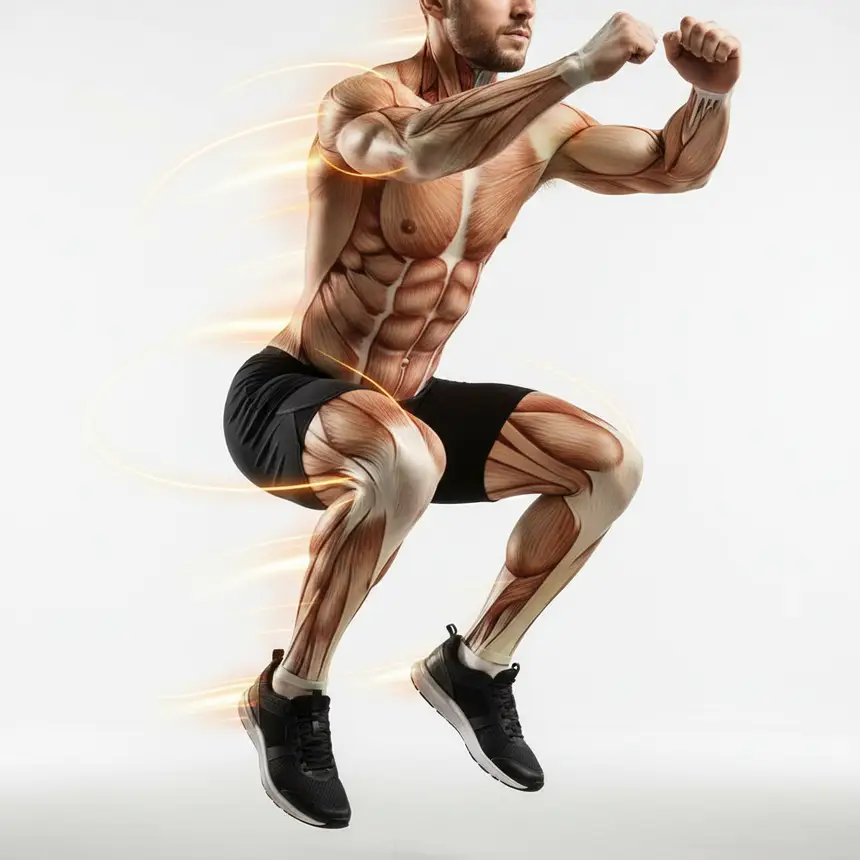
Transform your lower body with an effective workout routine designed for strength and stability. Learn the proper form and key benefits of Bulgarian split squats, hip abductions, and hip thrusts. Elevate your fitness and improve overall body balance with these essential exercises.

Why Do Lower Body Workouts Often Feel So Challenging?
Many of us hit the gym or home mats with the goal of building strong legs and sculpted glutes. However, it's common to find that simply going through the motions doesn't yield the desired results. You might feel frustrated that your quads burn out before your glutes engage, or perhaps you struggle with balance during single-leg movements. Effective lower body training goes beyond just lifting weights; it's about connecting with your muscles, understanding proper biomechanics, and ensuring balanced development. The glutes and thigh muscles are crucial for everyday movements, athletic performance, and even preventing discomfort. Without a focused approach, you might experience slow progress, quick fatigue, or even strain other parts of your body. Let's dive into some key exercises that can help you overcome these hurdles and truly build a powerful lower body.

Master These Core Lower Body Exercises for Maximum Impact
To effectively build lower body strength and enhance core stability, you need to prioritize precise form and muscle activation over sheer weight. Here are three fundamental exercises that will help you strengthen your glutes and thighs, while also improving your overall body balance.
- Sculpt Your Hips: Hip Abduction:
- Power Up Your Glutes: Hip Thrusts:
- Build Strength and Balance: Bulgarian Split Squats:
※ This post contains affiliate links. I may earn a commission at no extra cost to you.


Your Roadmap to Sustainable Lower Body Strength
Achieving an effective lower body workout goes beyond just performing a few exercises; it requires consistency and a deep understanding of proper technique. Exercises like hip abductions, hip thrusts, and Bulgarian split squats are invaluable for building leg strength, improving full-body balance, and enhancing body awareness. As you integrate these into your fitness routine, keep these critical points in mind:
These lower body exercises will not only help you build an aesthetically pleasing physique but also significantly improve your stability in daily life, boost your performance in other sports, and lay a strong foundation for healthy aging. Your consistent effort and mindful practice will be the key to unlocking a powerful, resilient lower body.
- The Principle of Progressive Overload: Always start with bodyweight or lighter resistance to perfect your form. Once your technique is solid, gradually increase the repetitions, sets, or weight to continually challenge your muscles and stimulate growth.
- Consistency and Recovery: Aim for 2-3 lower body workouts per week, ensuring you allow adequate rest and nutrition for muscle recovery and growth between sessions. Overtraining can be counterproductive.
- Listen to Your Body: Pay close attention to any signals your body sends. If you feel pain during an exercise, stop immediately, reassess your form, or take a rest day. Preventing injuries is paramount for long-term progress.
These lower body exercises will not only help you build an aesthetically pleasing physique but also significantly improve your stability in daily life, boost your performance in other sports, and lay a strong foundation for healthy aging. Your consistent effort and mindful practice will be the key to unlocking a powerful, resilient lower body.
Frequently Asked Questions
Q. I find it really hard to balance during Bulgarian Split Squats. What should I do?
A. Start by placing your hand on a wall or a sturdy chair for support. Also, experiment with your foot placement—ensure it's not too far forward or too close. Focus on bracing your core to stabilize your torso. Once you master the bodyweight version, you can gradually add weight.
Q. My lower back hurts when I do Hip Thrusts. What could be the reason?
A. Lower back pain during hip thrusts often occurs if you're not properly bracing your core or if you're trying to lift with your lower back instead of your glutes. Ensure your abs are tight and initiate the movement by squeezing your glutes first. Avoid excessive arching of your lower back. It's helpful to check your form in a mirror or seek guidance from a fitness professional.
Q. I don't feel my glutes working much during lower body exercises. Any tips?
A. If you struggle with glute activation, try performing glute-specific warm-up exercises or using a foam roller on your glutes and hip flexors before your main workout. During your exercises, consciously focus on squeezing your glutes with each repetition, and try slowing down the movement (tempo training) to enhance the mind-muscle connection. Prioritize proper form and glute engagement over lifting heavy weights.