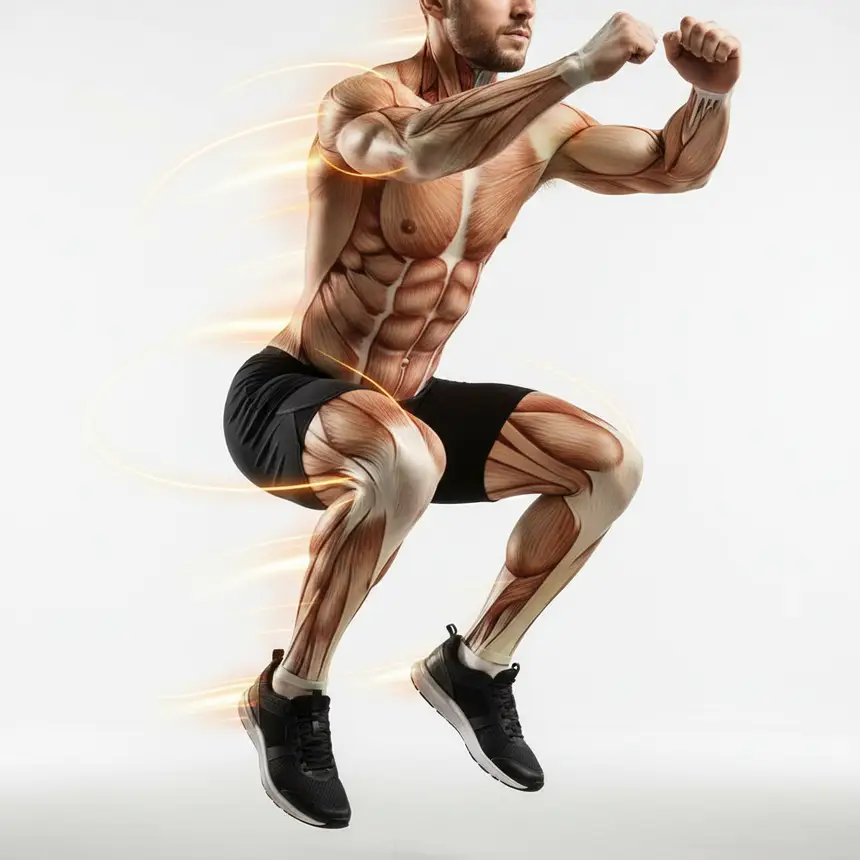
Lunge exercise is an excellent lower body workout that builds leg strength, enhances balance, and strengthens your core. Discover the benefits of various lunge types, proper form, and practical tips for all fitness levels.

Dreaming of Strong Legs and a Stable Core? Here's How!
A powerful and stable lower body is the cornerstone of overall physical health and functional movement. Many are searching for an exercise that not only builds lower body strength but also enhances balance and core stability simultaneously. Few exercises match the effectiveness of the lunge in achieving these goals. Lunges go beyond just developing leg muscles; they are a highly functional movement that improves full-body coordination, mimicking everyday actions like walking and climbing stairs. Because they involve moving one leg at a time, lunges are particularly beneficial for correcting muscle imbalances between your left and right sides and addressing specific areas of weakness. In this comprehensive guide, we'll delve into the many benefits of lunge exercises and show you how to effectively incorporate them into your fitness routine to unlock your full potential.

The Unique Benefits Lunges Offer Your Body
Lunge exercises simultaneously engage multiple muscle groups, bringing about diverse positive changes in your body. Let's explore the key advantages this versatile exercise provides:
- Corrects Muscle Imbalances: By working one leg at a time, lunges allow you to focus on strengthening the relatively weaker leg. This contributes to resolving physical asymmetries and reducing the risk of injury.
- Enhances Glutes and Shapes Hips: Lunges are renowned for their high activation of the gluteal muscles. Consistent lunge practice can help sculpt firm, toned glutes and build lower body power, contributing to an aesthetically pleasing and strong posterior.
- Develops Comprehensive Thigh Muscles: This exercise effectively targets both the quadriceps (front of thigh) and hamstrings (back of thigh), promoting balanced muscle development across the entire thigh. This improves overall leg definition and muscular function.
- Boosts Core Stability and Balance: As you strive to maintain your center of gravity in an unstable, single-leg stance, the stabilizing muscles around your abdomen and lower back are naturally strengthened. This is crucial for improving balance and building a robust core.
※ This post contains affiliate links. I may earn a commission at no extra cost to you.


Finding Your Lunge: Variations, Form, and Target Muscles
Lunges can be modified in various ways based on direction and execution, each targeting different muscle groups more intensely. Choose the lunge variation that best suits your goals and fitness level.
1. Split Squat: This is the most basic form, where you keep both feet stationary (one forward, one back) and move your body up and down. It's easier to balance, making it ideal for beginners to master the lunge pattern. It primarily works the quadriceps and glutes evenly.
2. Reverse Lunge: In this variation, you step backward with one leg and lower your body. It places less stress on the front knee compared to the forward lunge, making it generally safer. It also emphasizes glute activation, making it great for hip shaping.
3. Forward Lunge: Here, you step forward with one leg, lower into the lunge position, and then return to the starting stance. This strongly targets the quadriceps and is effective for building leg power and propulsion.
4. Walking Lunge: This is a dynamic lunge where you continuously move forward by alternating forward lunge steps. It maximizes the stretch and contraction of the glutes and hamstrings, offering excellent functional benefits, though it requires more balance.
5. Side Lunge (Lateral Lunge): This involves stepping sideways and bending one knee. It effectively targets the inner thighs (adductors) and outer glutes (gluteus medius), muscles often neglected in sagittal plane movements. It also helps improve hip mobility.
1. Split Squat: This is the most basic form, where you keep both feet stationary (one forward, one back) and move your body up and down. It's easier to balance, making it ideal for beginners to master the lunge pattern. It primarily works the quadriceps and glutes evenly.
2. Reverse Lunge: In this variation, you step backward with one leg and lower your body. It places less stress on the front knee compared to the forward lunge, making it generally safer. It also emphasizes glute activation, making it great for hip shaping.
3. Forward Lunge: Here, you step forward with one leg, lower into the lunge position, and then return to the starting stance. This strongly targets the quadriceps and is effective for building leg power and propulsion.
4. Walking Lunge: This is a dynamic lunge where you continuously move forward by alternating forward lunge steps. It maximizes the stretch and contraction of the glutes and hamstrings, offering excellent functional benefits, though it requires more balance.
5. Side Lunge (Lateral Lunge): This involves stepping sideways and bending one knee. It effectively targets the inner thighs (adductors) and outer glutes (gluteus medius), muscles often neglected in sagittal plane movements. It also helps improve hip mobility.

Practical Tips to Maximize Your Lunge Benefits
To get the most out of your lunge workouts and minimize the risk of injury, keep these crucial points in mind:
- Maintain Proper Form: Ensure your front knee doesn't extend past your toes. Keep your knee tracking over your mid-foot, not collapsing inward. Maintain an upright torso and keep your gaze forward.
- Engage Your Core: Throughout the movement, brace your abdominal muscles to keep your core stable. This aids in balance and helps reduce strain on your lower back.
- Thorough Warm-up: Before starting, adequately stretch your hip flexors and quadriceps to ensure a full range of motion and prevent injuries.
- Progressive Overload: Begin with bodyweight split squats to master the form. As you get stronger, progress to reverse lunges, then forward lunges, and eventually dynamic walking lunges. Once your form is solid, you can add external resistance with dumbbells or kettlebells.
- Listen to Your Body: If you experience any discomfort or pain in your knees or lower back, stop the exercise immediately, re-evaluate your form, or seek guidance from a fitness professional.

Consistency is Key: Transform Your Lower Body with Lunges!
The lunge is an incredibly efficient lower body exercise that you can perform almost anywhere, anytime, without needing special equipment or a large space. This seemingly simple movement offers a wealth of benefits: strengthening your lower body, improving balance, enhancing core stability, and sculpting toned glutes. By applying the diverse lunge variations and practical tips shared today, you can consistently challenge yourself at your current fitness level and work towards your specific goals. Regular lunge practice will make your lower body stronger, more functional, and more resilient. Start incorporating lunges into your routine today and embark on your journey toward a healthier, more vibrant life!
Frequently Asked Questions
Q. If I can only do one, should I choose lunges or squats?
A. Lunges and squats are both excellent lower body exercises, each with unique benefits that complement each other. Squats are great for overall lower body strength and muscle mass development because they use both legs simultaneously. Lunges, being unilateral, excel at correcting muscle imbalances and improving balance. If you must choose only one, consider your primary goal: for overall leg strength and muscle gain, squats might be your priority. For improving body symmetry, balance, and core stability, lunges could be the better choice.
Q. My knees aren't great; can I still do lunges?
A. If you have knee pain, it's crucial to consult a healthcare professional or physical therapist before starting any new exercise. Generally, it's safer to begin with variations that put less stress on the knees, like reverse lunges or stationary split squats. Pay close attention to your form, ensuring your front knee doesn't extend too far past your toes, and stop immediately if you feel any pain. Starting with a smaller range of motion and lighter intensity, then gradually increasing as tolerated, is often advisable.
Q. Which lunge variation should beginners start with?
A. For lunge beginners, the 'split squat' (stationary lunge) is highly recommended. It's the easiest variation to maintain balance since your feet remain fixed in an athletic stance, allowing you to focus purely on the up-and-down motion and proper form. Once you've mastered the split squat, you can progress to reverse lunges, then forward lunges, and eventually more dynamic variations like walking lunges or side lunges.