Feeling the effects of declining energy and changing body shape in your 30s? Discover the crucial reasons to start exercising now and practical guides to reclaim your vitality and confidence.

The Surprising Physical Shifts in Your 30s and How to Tackle Them
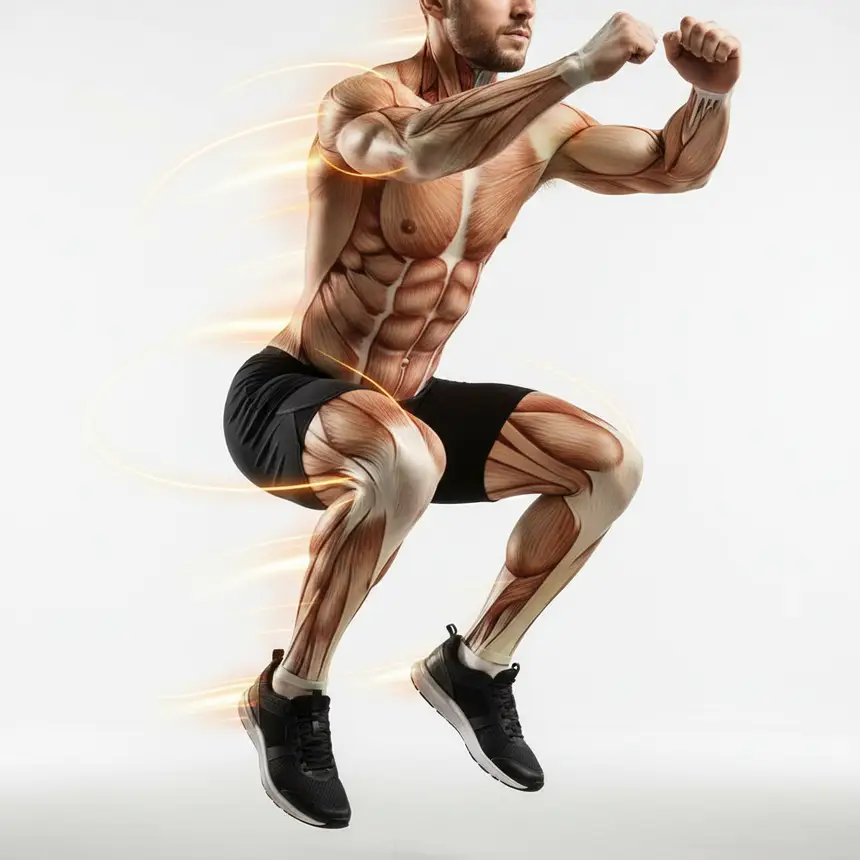
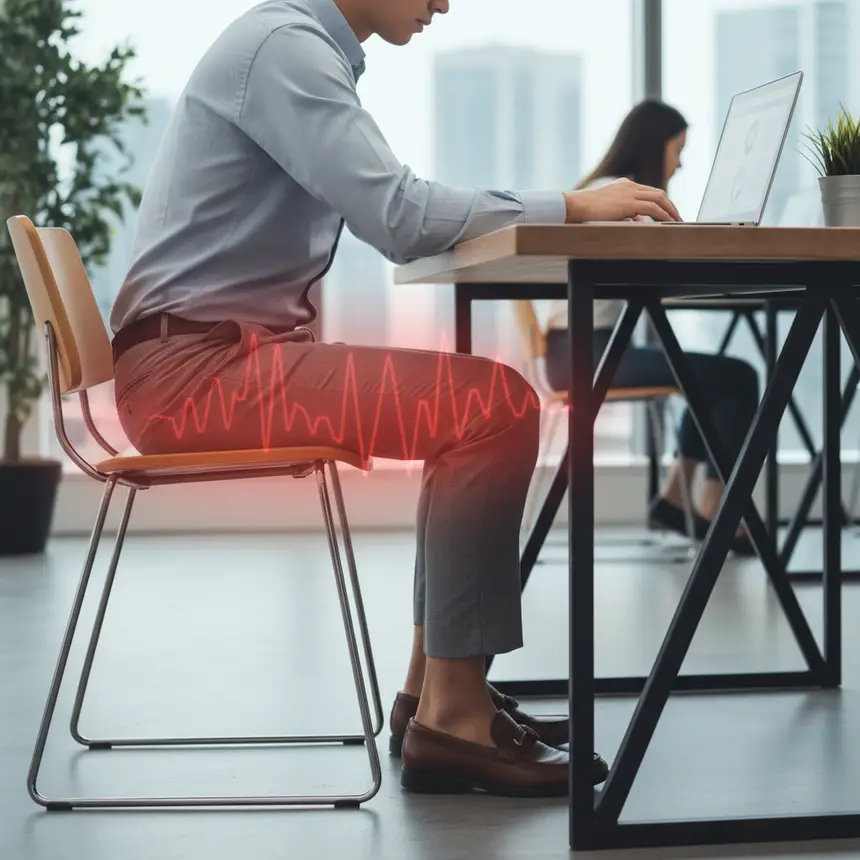
Stepping into your 30s often brings unexpected changes that can catch many off guard. In your younger years, all-nighters might have been easy, and your body seemed to bounce back quickly from less-than-ideal habits. However, as you hit your third decade, your body starts sending different signals. Many find themselves feeling drained more easily, struggling with persistent fatigue even after enough sleep, and experiencing digestive issues, all pointing to a general decline in stamina. Furthermore, you might notice weight gain, particularly around the midsection or flanks, even when eating the same amount – a clear shift in body composition. These changes aren't just about getting older; they largely stem from decreased physical activity and a loss of muscle mass. Muscle plays a critical role in regulating your metabolism and burning energy, and starting in your 30s, muscle mass naturally begins to decline, leading to a host of functional issues. It's crucial to adopt a consistent exercise routine in your 30s to wisely manage these evolving physical demands.

Tailored Fitness Strategies for Your 30s: Boost Energy and Sculpt Your Physique
For those in their 30s, diving headfirst into high-intensity workouts without proper planning isn't the best approach. A strategic plan that balances muscle maintenance, growth, and cardiovascular improvement is key. Aim for at least three strength training sessions per week, each lasting 30 minutes or more. Fundamental compound movements like bodyweight squats, lunges, push-ups, and planks effectively engage multiple muscle groups and help improve overall body balance. Incorporating light dumbbells or resistance bands can further challenge your muscles across various groups, allowing you to adjust intensity. Aerobic activities such as brisk walking, jogging, or cycling are excellent for enhancing heart health and reducing body fat. Consistency is paramount. Instead of overdoing it from the start, focus on moving consistently, even for short periods daily, and gradually increase your workout duration and intensity. For instance, begin with 20 minutes of light cardio after work, followed by 10 minutes of core exercises, then progressively add more dedicated strength training to your routine. This mindful approach to exercise in your 30s will not just help with weight management but also infuse your daily life with renewed vitality.
※ This post contains affiliate links. I may earn a commission at no extra cost to you.


Maximizing Your Workout Benefits: Essential Tips and Who Should Start Now
Before any workout, it's crucial to warm up thoroughly with light stretches to prevent injuries. Also, listen to your body; if you feel pain, stop immediately and rest. Pushing too hard can be counterproductive. Post-workout, focus on consuming protein to aid muscle recovery and ensure you get adequate sleep. Quality sleep often suffers in the 30s due to irregular lifestyles, so prioritizing a consistent sleep schedule is vital. This guidance is particularly beneficial for those who: first, feel more fatigued than before and notice a dip in their energy levels; second, experience changes in their body shape or clothes fit differently, even if their weight hasn't significantly changed; and third, recognize the need for exercise but feel overwhelmed about where to begin or struggle with staying consistent on their own. Your 30s represent a pivotal decade for laying the groundwork for a healthier next 10 or 20 years. The fitness habits you build now will significantly shape your future health and vitality.
Frequently Asked Questions
Q. What types of exercise are most effective in your 30s?
A. A combination of strength training and cardiovascular exercise is most effective in your 30s. Strength training is crucial for maintaining muscle mass and boosting metabolism, while cardio enhances heart health and aids in fat loss. Start with bodyweight exercises or light weights.
Q. What are some tips for busy 30-somethings to fit in exercise?
A. Consistency, even in short bursts, is key. Try walking or getting off public transport a stop earlier, using lunch breaks for stretching or a quick walk, or doing a 20-minute home workout. On weekends, dedicate more time to active pursuits.
Q. What positive changes can I expect from starting exercise in my 30s?
A. Regular exercise in your 30s boosts physical health – improving stamina, reducing fatigue, relieving stress, and strengthening immunity. It also significantly benefits mental well-being, fostering a sense of accomplishment and boosting confidence. Plus, it helps maintain a toned physique.
Q. How can I avoid injuries while exercising?
A. Always warm up with stretches before exercising, maintain proper form during workouts, and start with an intensity appropriate for your fitness level, gradually increasing it. If you feel any pain, stop immediately and consider consulting a professional.
Q. What specific exercises should men and women in their 30s focus on?
A. For women in their 30s, focus on bone density, core strength, and lower body power with exercises like squats, lunges, planks, and hip bridges. Men in their 30s should aim for muscle retention and growth, combining full-body strength exercises like push-ups, pull-ups, deadlifts, and core work.