For beginner cyclists, this guide covers everything from setting the right RPM and mastering pedaling techniques to essential tips for injury-free and effective cycling workouts. Maximize your indoor or outdoor cycling benefits.

Are You Just Pedaling Fast, or Pedaling Smart?
Ever hopped on a bike, indoor or out, and just started pedaling as fast as you could, only to feel exhausted quickly or wonder if you were doing it right? Many aspiring cyclists recognize the incredible cardiovascular benefits and strength gains cycling offers, but often miss out on its full potential. For beginners especially, overlooking the nuances of speed control can lead to less effective workouts and even increase the risk of discomfort or injury. So, what's the real secret to unlocking the full power of your cycling sessions? It all starts with finding your 'sweet spot' for speed and applying proper pedaling technique.

Why Inefficient Pedaling Derails Your Cycling Goals
Simply turning the pedals isn't enough to achieve your fitness goals on a bike. Imagine trying to fill a leaky bucket by just pouring water in haphazardly – you’ll waste a lot of effort without much to show for it. Similarly, cycling without proper speed control can lead to wasted energy and suboptimal results. If you pedal too fast too soon, you might quickly hit a wall, shortening your workout and pushing your heart rate into an inefficient zone. This can feel more like a frantic sprint than a sustainable cardiovascular exercise. On the flip side, going too slow might not provide enough stimulus to your muscles or elevate your heart rate sufficiently to gain significant benefits. It's like trying to bake a cake with the oven set too low; it might cook eventually, but it will take forever and the results won't be ideal. Both extremes can lead to frustration, making it harder to stick with your cycling routine in the long run.
※ This post contains affiliate links. I may earn a commission at no extra cost to you.


Mastering RPM and Pedaling Technique for Beginners
The key to effective cycling lies in understanding and applying the concept of 'RPM' – Revolutions Per Minute. This metric indicates how many times your pedals complete a full rotation in one minute. For beginners, aiming for a cadence of 60-80 RPM is generally recommended. This range strikes a balance, challenging your muscles without excessive strain, while keeping your heart rate in an optimal zone for cardiovascular benefits. Think of it like learning to drive a car; you don't start by flooring the accelerator. Begin with around 60 RPM for your first week and gradually increase by 5-10 RPM each subsequent week, allowing your body to adapt.
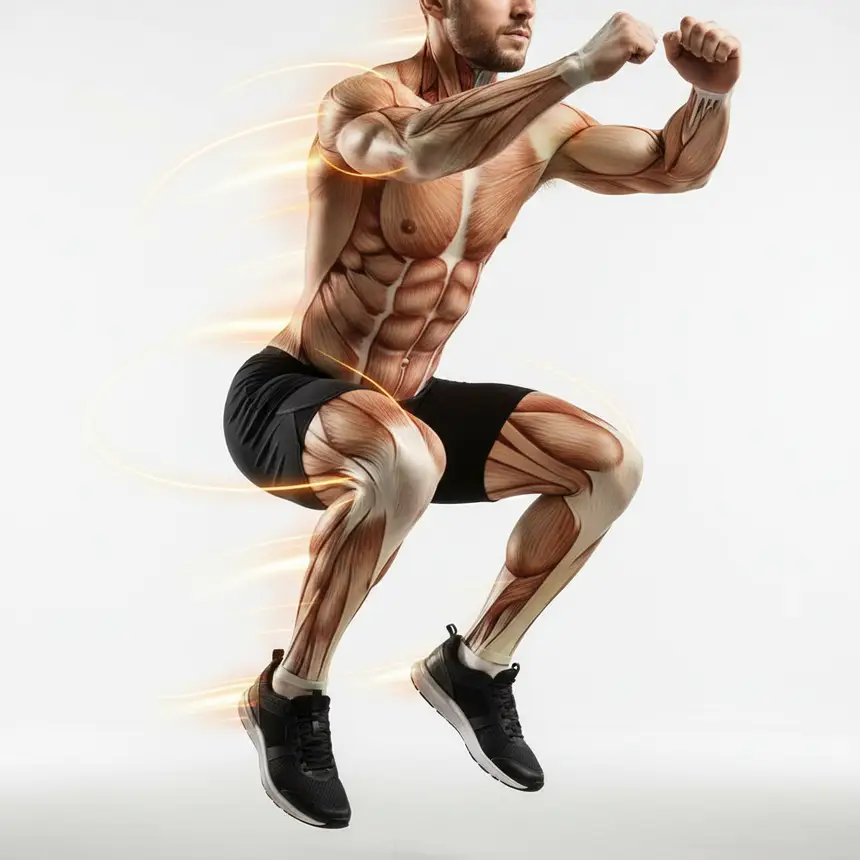
Beyond speed, mastering your pedaling technique is crucial. Instead of just 'pushing' down on the pedals, aim for a smooth, circular motion using your entire foot. Avoid pushing only with your toes, as this can overwork specific muscles and put undue stress on your knees. Engage your heel, mid-foot, and toes to 'pull up' and 'push down' evenly throughout the pedal stroke. This full-foot engagement activates a wider range of leg muscles – quads, hamstrings, and glutes – making your workout more efficient. Incorporating short recovery periods, where you momentarily reduce your speed every few minutes, can also help manage muscle fatigue and enhance your endurance.
Beyond speed, mastering your pedaling technique is crucial. Instead of just 'pushing' down on the pedals, aim for a smooth, circular motion using your entire foot. Avoid pushing only with your toes, as this can overwork specific muscles and put undue stress on your knees. Engage your heel, mid-foot, and toes to 'pull up' and 'push down' evenly throughout the pedal stroke. This full-foot engagement activates a wider range of leg muscles – quads, hamstrings, and glutes – making your workout more efficient. Incorporating short recovery periods, where you momentarily reduce your speed every few minutes, can also help manage muscle fatigue and enhance your endurance.

Practical Tips for Safe and Effective Cycling
To truly elevate your cycling experience, integrating a few practical habits alongside speed and technique is essential. Firstly, never skip your warm-up and cool-down. A 5-10 minute gentle warm-up, involving light stretching and easy pedaling, prepares your muscles, reducing injury risk and improving performance. Conclude your session with a cool-down, gradually decreasing speed and following up with some stretches to promote recovery and muscle flexibility. Secondly, listen intently to your body's signals. If you feel sharp pain, it's a clear sign to ease off or stop. Pushing through pain can lead to setbacks. Thirdly, consistency trumps intensity. Regular, shorter rides are often more beneficial than sporadic, intense sessions. Develop a realistic cycling schedule and stick to it, gradually increasing your duration and intensity over time. Just as a gardener tends to a plant daily for it to flourish, consistent effort nurtures your fitness journey.

Finding Your Rhythm: Building Healthy Cycling Habits
Cycling is far more than just moving your legs; it's an art of precision, patience, and persistence. By focusing on appropriate speed control, refining your pedaling technique, and incorporating smart training habits, you unlock a highly effective and enjoyable path to better health. While it might feel awkward initially, consistent application of these guidelines will lead to noticeable improvements in your physique, endurance, and overall well-being. Embrace the journey, find your rhythm, and let the pedals guide you toward a healthier, more vibrant you. Every pedal stroke is a step closer to your fitness goals.
Frequently Asked Questions
Q. What's the ideal RPM for beginner cyclists?
A. Beginners should aim to start with a cadence of 60-80 RPM (revolutions per minute). This range helps maintain an efficient heart rate for cardiovascular benefits without overstressing muscles.
Q. What is the correct foot position for effective pedaling?
A. Use your entire foot to create a smooth, circular motion. Avoid pushing only with your toes. Instead, engage your heel through your whole foot to push down and pull up on the pedal, activating more leg muscles.
Q. Why shouldn't I cycle too fast as a beginner?
A. Pedaling too fast too soon can lead to premature fatigue, making your workout unsustainable. It also increases the risk of strain on your muscles and joints and can push your heart rate into an inefficient zone, reducing the overall effectiveness of your cardio.
Q. Are warm-ups and cool-downs necessary for cycling?
A. Absolutely. A warm-up prepares your muscles, reducing injury risk and improving performance. A cool-down gradually lowers your heart rate and allows for stretching, aiding muscle recovery and flexibility post-workout.
Q. How can I maximize my cycling workout benefits?
A. Focus on maintaining your target RPM, perfecting your circular pedaling technique, performing proper warm-ups and cool-downs, and being consistent with your sessions. Listen to your body and gradually increase intensity as you progress.