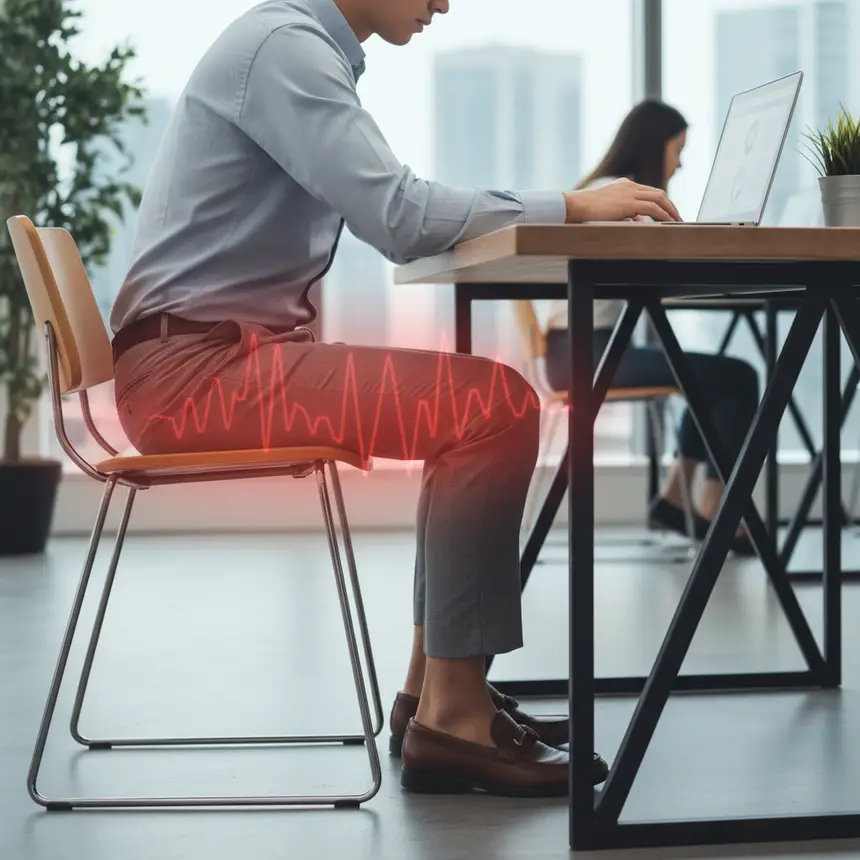
Your essential guide for a healthy back if you sit or stand for long hours! From herniated disc exercises to back pain relief methods, rediscover a strong back with core strengthening and proper support tool usage.

Is Chronic Back Discomfort Limiting Your Daily Life?
In our modern world, back pain has become an all-too-common complaint. If your routine involves long hours hunched over a computer or extended periods on your feet, that persistent ache in your lower back might feel like a constant companion, draining your energy and limiting your overall mobility. This isn't just about temporary discomfort; an unaddressed nagging back can significantly impact your daily activities, productivity, and overall quality of life. Often, this stems from poor postural habits or underdeveloped core muscles, which place undue stress on your spine. Recognizing these signals your body sends and proactively seeking effective back pain relief methods are crucial steps toward regaining comfort and function.

Building a Resilient Spine: Core Workouts and the Role of External Support
A primary contributor to persistent back issues is often a weak core alongside poor posture. When your core muscles, which act as your body's natural girdle, aren't strong enough, your spine lacks adequate support, making it vulnerable to strain even with simple movements. Therefore, a cornerstone of any effective back pain exercise strategy is dedicated core strengthening. Here are a few accessible exercises you can integrate into your routine:
- Pelvic Tilts: Lie on your back with knees bent and feet flat. Gently press your lower back into the floor by drawing your belly button towards your spine, eliminating the space between your back and the floor. This subtly engages your deep abdominal muscles.
- Glute Bridges: From the pelvic tilt position, slowly lift your hips off the floor until your body forms a straight line from your shoulders to your knees. This exercise effectively strengthens your glutes, hamstrings, and lower back stabilizers.
- Bird-Dog: Start on your hands and knees. Extend one arm straight forward and the opposite leg straight back simultaneously, keeping your torso stable and hips level. This movement enhances spinal stability and improves core coordination.
※ This post contains affiliate links. I may earn a commission at no extra cost to you.


Sustaining a Healthy Back: Practical Steps and Important Considerations
Maintaining a healthy back is an ongoing journey built on consistent effort and smart habits. Integrating the core strengthening exercises mentioned previously into your daily routine and being mindful of proper posture, whether sitting or standing, are fundamental. When performing back exercises or general fitness routines, it's crucial to listen to your body and gradually increase intensity to prevent injury.
Regarding the use of external back support tools, it's important to keep a few guidelines in mind. While these devices can offer temporary assistance, they are not a substitute for developing strong intrinsic core muscles. Over-reliance or improper long-term use can potentially lead to a decrease in your core's natural activation and strength. Therefore, utilize them judiciously for specific, demanding tasks and focus on building your body's internal support system through regular exercise. If discomfort persists or worsens, seeking advice from a healthcare professional for an accurate diagnosis and tailored recommendations remains the most prudent approach to back pain management. Remember, back health is a marathon, not a sprint—consistency and patience are key.
Regarding the use of external back support tools, it's important to keep a few guidelines in mind. While these devices can offer temporary assistance, they are not a substitute for developing strong intrinsic core muscles. Over-reliance or improper long-term use can potentially lead to a decrease in your core's natural activation and strength. Therefore, utilize them judiciously for specific, demanding tasks and focus on building your body's internal support system through regular exercise. If discomfort persists or worsens, seeking advice from a healthcare professional for an accurate diagnosis and tailored recommendations remains the most prudent approach to back pain management. Remember, back health is a marathon, not a sprint—consistency and patience are key.
Frequently Asked Questions
Q. What are the best beginner exercises for back pain?
A. If your pain isn't severe, start with gentle core activation exercises like pelvic tilts and glute bridges. Always consult a healthcare professional before beginning any new exercise regimen if you're experiencing significant pain.
Q. When should I consider using a back support belt?
A. Back support belts are most effective when used temporarily during activities that place extra strain on your lower back, such as lifting heavy objects or when you anticipate prolonged periods of standing or sitting. Consult a fitness professional for guidance during exercise.
Q. Can wearing a waist support weaken my core muscles over time?
A. Yes, excessive or prolonged reliance on external back support can potentially lead to reduced activation and weakening of your natural core muscles. It's best to use them as an aid when needed, while consistently working on strengthening your core through exercises.
Q. How often can I use heat or cold therapy for my back?
A. For acute pain (like a recent injury), cold therapy can help reduce inflammation and swelling. For chronic stiffness or muscle soreness, heat therapy can promote blood flow and relaxation. You can use these daily as needed, ensuring they are not applied directly to the skin and avoiding extreme temperatures.