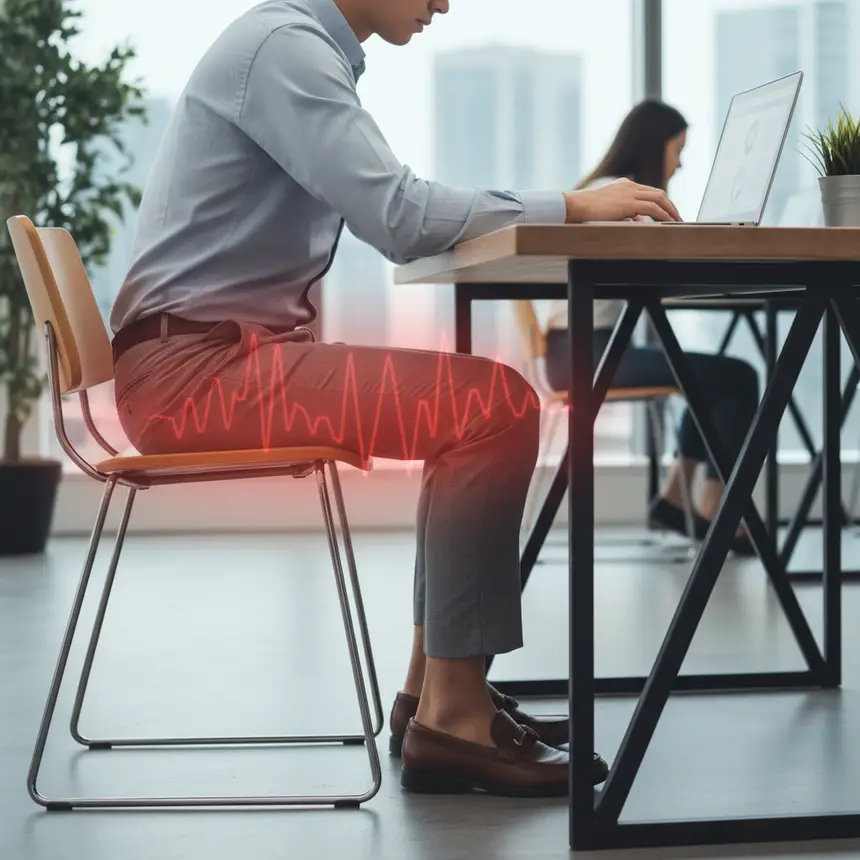
Suffering from tech neck and lower back pain due to long hours at a desk or on your phone? Understand the causes of poor posture and discover effective posture correction exercises you can easily do at home to alleviate pain and restore balance. Start your journey to a healthier, more vibrant you with consistent daily practice.

The Daily Toll: How Tech Neck and Lower Back Pain Affect Your Life
Prolonged hours spent hunched over computers or smartphones, combined with repetitive tasks like childcare, are contributing to a widespread epidemic of tech neck and lower back pain. That nagging stiffness in your neck, persistent shoulder tension, chronic headaches, and a dull ache in your lower back can drain your energy and disrupt your sleep. Poor posture, characterized by rounded shoulders and a forward head, can also chip away at your confidence. Instead of dismissing these discomforts as just a part of aging or fatigue, it’s crucial to proactively assess and improve your posture. A simple mirror check, ensuring your ear, shoulder, hip, knee, and ankle are aligned in a straight line, is a great starting point for self-awareness.

Unpacking the Root Causes: Why Our Bodies Lose Alignment
Our bodies deviate from ideal alignment primarily due to poor daily habits and imbalances in muscle strength. For instance, extended periods of sitting can weaken the abdominal and gluteal muscles, while simultaneously overtightening the lower back and hamstrings. This often leads to an anterior pelvic tilt and an exaggerated curve in the lower back. Additionally, frequently lifting heavy objects or carrying children places continuous strain on specific muscle groups, exacerbating rounded shoulders and forward head posture. Postpartum individuals, in particular, may experience accelerated postural changes due to increased joint laxity from hormonal shifts combined with new physical demands of caring for an infant. Consciously maintaining good posture and incorporating exercises that strengthen your core and glutes are vital steps toward better alignment.
※ This post contains affiliate links. I may earn a commission at no extra cost to you.


Your At-Home Guide: Step-by-Step Posture Correction Routine
The journey to reclaiming healthy posture begins with consistent, targeted exercises. Here’s a simple routine you can easily perform at home:
- Neck and Shoulder Release: Lie on your back on a mat. Place a soft cylindrical tool (like a foam roller or a rolled-up towel) under the back of your neck. Gently roll your head from side to side, allowing your body weight to apply pressure and release tension in your neck and upper trapezius muscles. It might feel tender initially, but the discomfort should gradually subside as muscles relax.
- Spinal Alignment & Core Strengthening: Lie with a spinal support tool placed lengthwise along your spine. Bend your knees, keeping your feet flat on the floor. If needed, you can use a strap around your thighs to help maintain proper alignment. From this position, engage your abdominal muscles to gently lift your legs a few inches off the floor (modified leg raises), or activate your glutes to slowly lift your hips into a bridge pose. Perform each movement slowly, focusing on engaging the target muscles. Practicing this routine for 10-15 minutes daily can lead to noticeable improvements.

The Power of Persistence: Maintaining Healthy Posture for Life
Posture correction isn't about instant fixes; it's a gradual process that requires consistent effort and patience. Making the exercises introduced today a regular part of your daily routine, even for short durations, is key. You might experience some initial discomfort or soreness as your dormant or tight muscles begin to activate, which is a normal part of the process. The most important thing is to listen to your body and adjust the intensity and duration as needed, avoiding any sharp or persistent pain. Beyond exercises, consciously maintaining good posture throughout your day is equally important. When sitting, push your hips back into the chair and use the backrest. When standing, gently tuck your chin and broaden your chest. These small, consistent changes will accumulate, helping you build a stronger, more balanced body and reclaim a more vibrant, pain-free life.
Frequently Asked Questions
Q. How often should I do posture correction exercises to see results?
A. Consistency is paramount for posture correction. Practicing regularly, even for short durations daily, is far more effective than infrequent, intense sessions. Aim for 10-15 minutes every day to build lasting habits and see gradual improvements.
Q. What should I do if I experience pain during these exercises?
A. If you feel any sharp or persistent pain, stop the exercise immediately and rest. Mild discomfort or a 'good ache' as muscles release is often normal, but sharp pain should not be pushed through. Consulting a fitness professional or physical therapist is advisable if pain persists.
Q. Can these exercises help with pain related to postpartum body changes?
A. Many exercises can help strengthen weakened core and pelvic muscles post-pregnancy, aiding in better posture. However, it's crucial to allow your body sufficient recovery time postpartum and consult with a healthcare provider or women's health specialist to determine the appropriate timing and intensity for exercise.
Q. Are specialized tools necessary, or can I do these exercises without them?
A. You can absolutely improve your posture without specialized tools. Many core-strengthening exercises and stretches can be done with just your body weight. For instance, using a wall to check your alignment or performing prone stabilization exercises on the floor are effective. A rolled-up towel can often substitute for a cylindrical support tool.