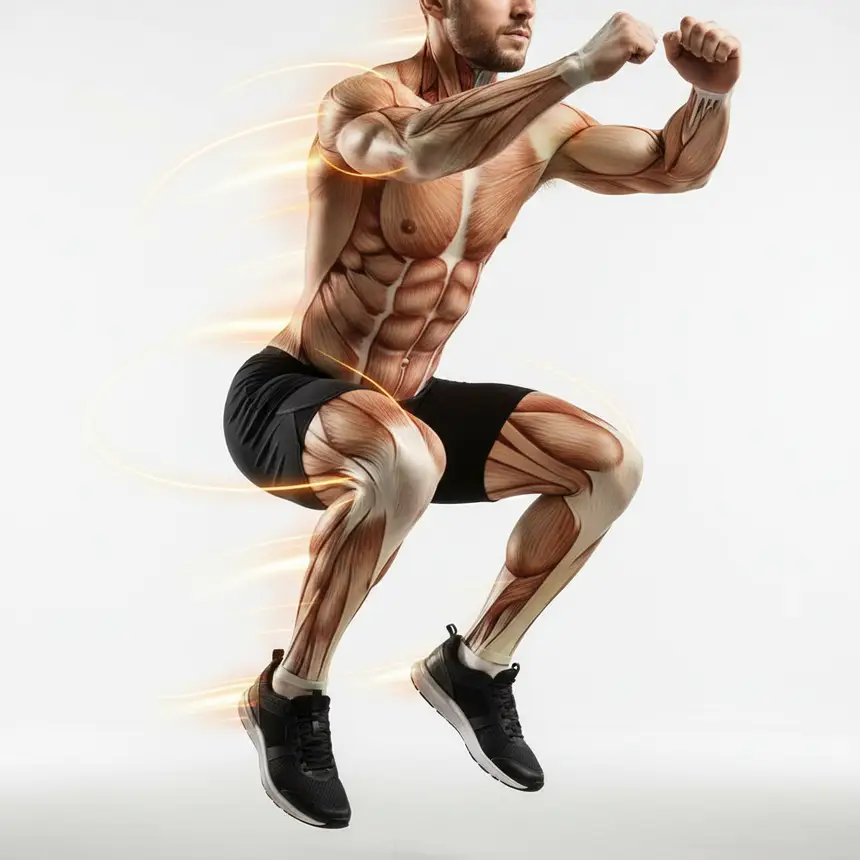
The power leg press is excellent for lower body strength, but improper form can lead to injuries. Learn how to perform it safely and effectively with correct technique and weight selection.

Unlocking Lower Body Potential: The Power Leg Press Explained
Developing robust lower body strength is fundamental for overall physical health and an energetic daily life. Many individuals pursue various exercises to sculpt strong thighs and glutes, and among these, the power leg press stands out. It's a pivotal exercise designed for high-intensity training that can lead to significant lower body development. However, achieving optimal results and preventing injury hinges on understanding the correct leg press technique. This guide will provide detailed insights into performing the power leg press safely and effectively, helping you maximize your lower body strength. Are you ready to overcome common form issues and explore the true potential of your leg strength?

Perfecting Your Power Leg Press Form: Minimize Risk, Maximize Gain
While the power leg press is a powerful lower body exercise, several common mistakes can hinder its effectiveness and lead to injuries. Let's delve into key elements for safe and impactful training.
1. Avoid Knee Lock-Out: When pushing the platform up, resist the urge to fully extend your knees until they click or lock. This transfers the load directly to your knee joints (ligaments, cartilage) rather than your muscles, significantly increasing injury risk. Aim to extend your knees about 95% of the way, maintaining a slight bend to keep continuous tension on your muscles.
2. Prevent Lower Back Arching: A common issue arises when lowering the platform too deeply or due to limited flexibility, causing the hips to lift and the lower back to arch away from the backrest. This posture places undue pressure on your lumbar spine, potentially causing pain. Keep your lower back firmly pressed against the backrest and engage your core to stabilize your torso. A range of motion where your knees reach a 90-degree angle is often sufficient. Positioning your feet slightly higher on the platform can also help reduce strain on your lower back.
3. Correct Knee Valgus (Knees Collapsing Inward): If your knees buckle inward during the pushing phase, it disrupts the alignment of your hips, knees, and ankles, increasing the risk of knee ligament injuries. Always ensure your knees track in line with your toes (aim for a slight outward angle of about 15 degrees). Actively push your knees outward, engaging your quadriceps and glutes. Incorporating hip abduction exercises, like the hip abductor machine, can strengthen the muscles responsible for this alignment.
Optimal Foot Placement and Setup for Proper Leg Press Technique:
1. Avoid Knee Lock-Out: When pushing the platform up, resist the urge to fully extend your knees until they click or lock. This transfers the load directly to your knee joints (ligaments, cartilage) rather than your muscles, significantly increasing injury risk. Aim to extend your knees about 95% of the way, maintaining a slight bend to keep continuous tension on your muscles.
2. Prevent Lower Back Arching: A common issue arises when lowering the platform too deeply or due to limited flexibility, causing the hips to lift and the lower back to arch away from the backrest. This posture places undue pressure on your lumbar spine, potentially causing pain. Keep your lower back firmly pressed against the backrest and engage your core to stabilize your torso. A range of motion where your knees reach a 90-degree angle is often sufficient. Positioning your feet slightly higher on the platform can also help reduce strain on your lower back.
3. Correct Knee Valgus (Knees Collapsing Inward): If your knees buckle inward during the pushing phase, it disrupts the alignment of your hips, knees, and ankles, increasing the risk of knee ligament injuries. Always ensure your knees track in line with your toes (aim for a slight outward angle of about 15 degrees). Actively push your knees outward, engaging your quadriceps and glutes. Incorporating hip abduction exercises, like the hip abductor machine, can strengthen the muscles responsible for this alignment.
Optimal Foot Placement and Setup for Proper Leg Press Technique:
- Secure your back and glutes firmly against the backrest and grasp the handles for upper body stability.
- Place your feet shoulder-width apart on the platform, with toes pointed slightly outward (around 15 degrees).
- Positioning your feet higher on the platform emphasizes glutes and hamstrings, but be mindful of potential increased knee stress.
- Weight Selection: Your power leg press weight should correspond to your experience level. For beginners, it's crucial to master the form with a lighter weight that allows for 15-20 repetitions. For muscle hypertrophy, select a challenging weight where you can perform 8-12 repetitions with effort, ensuring proper form is maintained throughout. Gradually increase the weight only when your technique is solid.
※ This post contains affiliate links. I may earn a commission at no extra cost to you.


Maximizing Your Power Leg Press Results: A Practical Approach
Consistently performing the power leg press with correct technique can yield remarkable benefits. This exercise effectively boosts overall lower body muscle mass and strength, similar to squats, and offers a relatively safe way for beginners to engage in heavy lifting.
Recommendations for a Successful Power Leg Press Routine:
1. Master the Movement Phases: As you lower the platform, inhale slowly until your knees bend to about 90 degrees. Engage your core to prevent your lower back from arching. When pushing the platform up, exhale forcefully as if pushing through your heels, but remember to stop before fully locking out your knees.
2. Principle of Progressive Overload: Once your form is perfected, gradually increase the power leg press weight. This progressive overload is essential to continually challenge your muscles and stimulate ongoing growth.
3. Adequate Rest and Nutrition: For muscle growth to occur, sufficient rest and a balanced diet rich in protein are just as critical as the workout itself.
The power leg press delivers its greatest benefits when performed consistently with precise form. Start incorporating these techniques today to unlock new levels of lower body strength. We wish you strong legs and a vibrant, active life!
- Significant Lower Body Strength Gains: It comprehensively works major lower body muscles—quadriceps, hamstrings, and glutes—enhancing functional fitness and athletic performance.
- Glute Development and Sculpting: By adjusting foot placement, you can target your glutes intensely, making it highly effective for developing a firm and sculpted hip line.
- Knee Joint Protection and Stability: Since it's a seated exercise, the leg press places less direct stress on the knee joints compared to free-weight squats. It also strengthens the surrounding knee muscles, contributing to greater knee stability.
Recommendations for a Successful Power Leg Press Routine:
1. Master the Movement Phases: As you lower the platform, inhale slowly until your knees bend to about 90 degrees. Engage your core to prevent your lower back from arching. When pushing the platform up, exhale forcefully as if pushing through your heels, but remember to stop before fully locking out your knees.
2. Principle of Progressive Overload: Once your form is perfected, gradually increase the power leg press weight. This progressive overload is essential to continually challenge your muscles and stimulate ongoing growth.
3. Adequate Rest and Nutrition: For muscle growth to occur, sufficient rest and a balanced diet rich in protein are just as critical as the workout itself.
The power leg press delivers its greatest benefits when performed consistently with precise form. Start incorporating these techniques today to unlock new levels of lower body strength. We wish you strong legs and a vibrant, active life!
Frequently Asked Questions
Q. What should I do if I feel knee or back pain during the power leg press?
A. Pain is your body's warning signal, so stop immediately. If you experience pain, try reducing the weight, re-evaluate your form, or decrease your range of motion. Pay particular attention to not fully extending your knees and maintaining core engagement to keep your back pressed against the pad. If pain persists, it's advisable to seek advice from a fitness professional.
Q. Does foot placement on the leg press affect which muscles are targeted?
A. Yes, foot placement significantly influences muscle activation. Placing your feet higher on the platform tends to emphasize the glutes and hamstrings (rear thigh), while a lower placement targets the quadriceps (front thigh). However, placing feet too low can increase knee strain, so be cautious. A general guideline is to place your feet shoulder-width apart in the middle of the platform for balanced muscle engagement.
Q. As a beginner, how should I determine the right power leg press weight?
A. For beginners, mastering proper form is paramount. Start with an unloaded machine or a very light weight that allows you to comfortably perform 15-20 repetitions, focusing solely on technique. Once your form is solid, gradually increase the weight. Aim for a weight that allows you to complete 8-12 repetitions with good form, feeling challenged by the last few reps; this is generally effective for muscle growth.
Q. Is it okay to do power leg press every day?
A. For muscle growth and recovery, adequate rest is crucial. High-intensity lower body exercises like the power leg press place significant stress on your muscles. It's generally recommended to perform such workouts 2-3 times per week, allowing sufficient recovery time between sessions. Prioritizing rest over daily training will contribute more effectively to long-term muscle growth and prevent overtraining.