Are your home chest workouts truly effective? Overcome home training limitations with an incline bench and proper bench press form. Discover practical tips and equipment guides for efficient chest muscle development.

H2. Are Your Home Chest Workouts Falling Short?
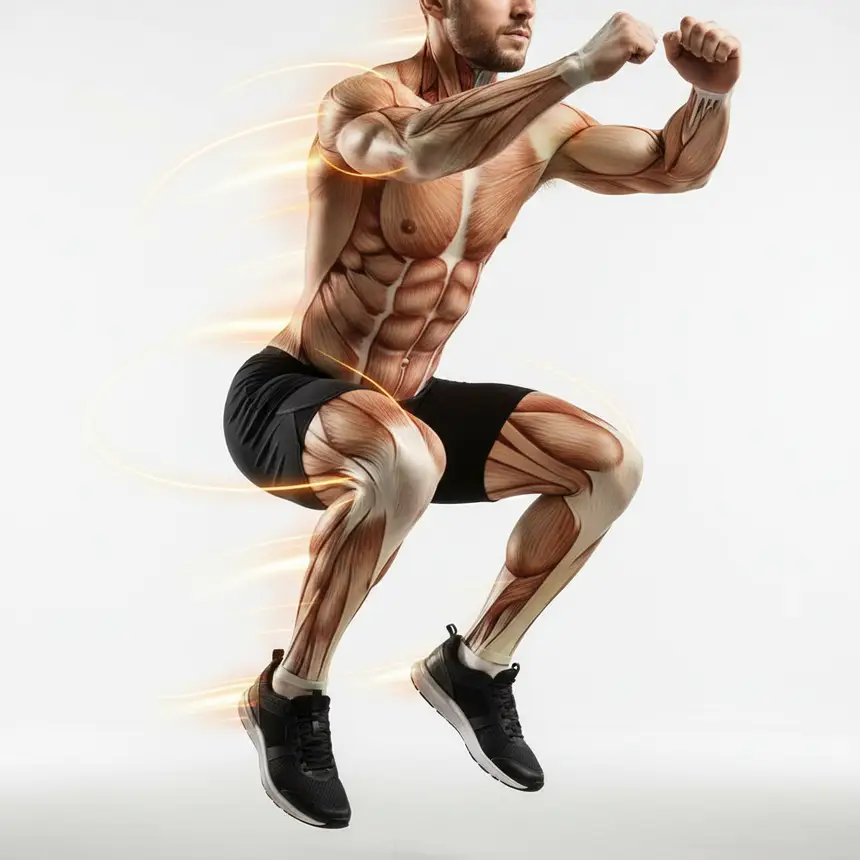
Many of us turn to home workouts for their sheer convenience, yet when it comes to chest training, achieving that gym-level pump can feel like an uphill battle. You might be familiar with the frustration of underdeveloped upper chest muscles, or perhaps your bench press form crumbles halfway through a set, leaving you wondering if home workouts are truly effective. Is it simply a limitation of training at home, or could there be a smarter approach? Let's explore how you can unlock your chest's full growth potential, not just by lifting heavier, but by focusing on precise muscle engagement and impeccable form.

H2. Common Hurdles in Home Chest Training: Unstable Form and Limited Stimulation
One of the biggest challenges in home chest workouts is maintaining stable exercise form. When performing push-ups or dumbbell presses on the floor, it's often difficult to properly stabilize your scapulae (shoulder blades). This can lead to undue stress on your shoulder joints and inadequate stimulation of your target chest muscles. Furthermore, training exclusively on a flat surface makes it tough to effectively target the entire chest, especially the upper chest region. These limitations not only reduce workout efficiency but can also increase the risk of muscular imbalances or injuries over time. Without a solid foundation for proper bench press technique, your progress will inevitably slow down.
※ This post contains affiliate links. I may earn a commission at no extra cost to you.


H2. The Solution: Complete Chest Workouts with an Adjustable Bench and Correct Bench Press Form
To achieve gym-quality chest workout results at home, a few key elements are essential. First, utilizing an adjustable exercise bench is a game-changer. These versatile benches allow for various angle settings – flat, incline (upper body raised), and even decline – enabling you to effectively target the upper, middle, and lower chest regions. For those struggling with upper chest development, setting the appropriate incline angle is crucial for delivering focused stimulation to this area. Second, a bench with stable back support is indispensable for maintaining proper bench press form. By pressing your back firmly against the backrest, your scapulae are naturally stabilized, reducing unnecessary shoulder movement and maximizing chest muscle engagement. Third, combining your bench workouts with suitable dumbbells allows for deeper muscle stimulation. Training with stable support means you can focus entirely on muscle contraction and extension without worrying about wobbling, significantly enhancing the quality of your workout.

H2. Practical Tips to Maximize Your Home Chest Workout Results
Here are some actionable tips to get the most out of your home chest training:
- Harness Bench Angles: For incline dumbbell presses, start with an angle between 15 and 30 degrees to target your upper chest. Gradually adjust the angle to find the spot where you feel the most intense contraction, and incorporate that into your routine.
- Maintain Proper Bench Press Form: When lying on the bench, keep your feet firmly on the floor, maintain a slight arch in your lower back, and retract your shoulder blades, pressing them into the backrest. Open your chest wide and keep your elbows relatively close to your torso as you lower the dumbbells. Be mindful not to shrug your shoulders.
- Equipment Selection Criteria: When choosing home gym equipment, consider space efficiency, noise levels, and stability. Opt for benches that fold for easy storage, are stable during use, and dumbbells with coatings that minimize noise when placed on the floor.
- Prioritize Consistency: The greatest advantage of home workouts is the flexibility to exercise anytime. It's crucial to build a habit of consistent training, even if it's for short durations. For instance, dedicate 15 minutes after work or 10 minutes before bed to your routine.

H2. Professional Chest Training at Home: Building a Sustainable Routine!
It's time to dismiss the notion that home workouts are inferior to gym sessions! With the right equipment, precise form, and unwavering consistency, you can build your desired chest muscles entirely from home. An adjustable bench plays a pivotal role in developing all chest muscle regions proportionately, while stable support reduces injury risk and boosts workout focus. Moreover, space-efficient equipment further enhances the accessibility, which is a major advantage of home workouts. Starting today, integrate an incline bench into your chest routine with correct bench press form, and witness your progress day by day. Consistency is the ultimate catalyst for change.
Frequently Asked Questions
Q. What's the ideal angle for an incline bench press?
A. Generally, an angle between 15 to 30 degrees is most effective for targeting the upper chest. Some personal adjustment may be needed based on individual flexibility and shoulder mobility. It's important to find the angle that provides you with the strongest muscle contraction.
Q. Why is bench stability so important for home workouts?
A. Bench stability directly impacts injury prevention and workout effectiveness. A non-wobbly bench reduces the unnecessary effort spent on balancing while lifting dumbbells or barbells. This allows you to focus solely on the target muscles, leading to deeper stimulation and safer form maintenance.
Q. Any tips for reducing noise during dumbbell workouts at home?
A. To minimize noise when placing dumbbells on the floor, consider using dumbbells with TPU (thermoplastic polyurethane) or rubber coatings. Additionally, placing an exercise mat on the floor can absorb impact and further reduce noise.
Q. What should I do if I experience shoulder pain during bench presses?
A. Shoulder pain can often stem from improper form. Practice retracting and depressing your shoulder blades, and ensure your chest is fully open. Keep your elbows relatively close to your body and focus on correct form over lifting heavy weights. If pain persists, it's advisable to seek professional guidance.
Q. How can I optimize space for storing home workout equipment?
A. Utilizing a foldable bench or stackable dumbbell racks can help maximize your space. After use, fold the bench and store it against a wall or in a furniture gap. It's generally best to utilize vertical space whenever possible.