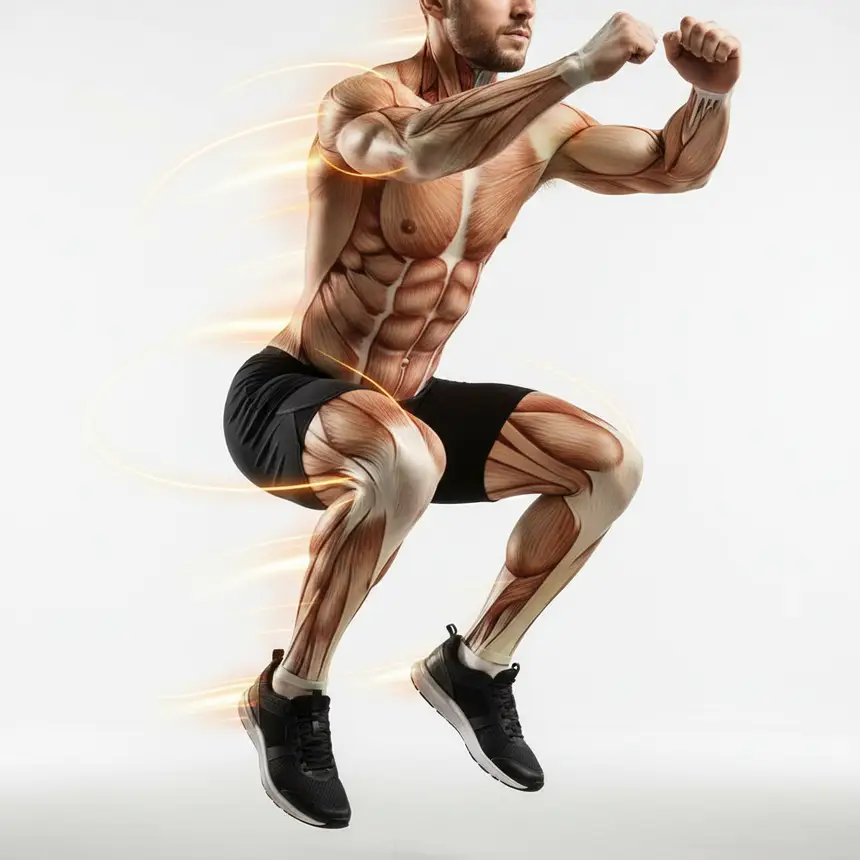
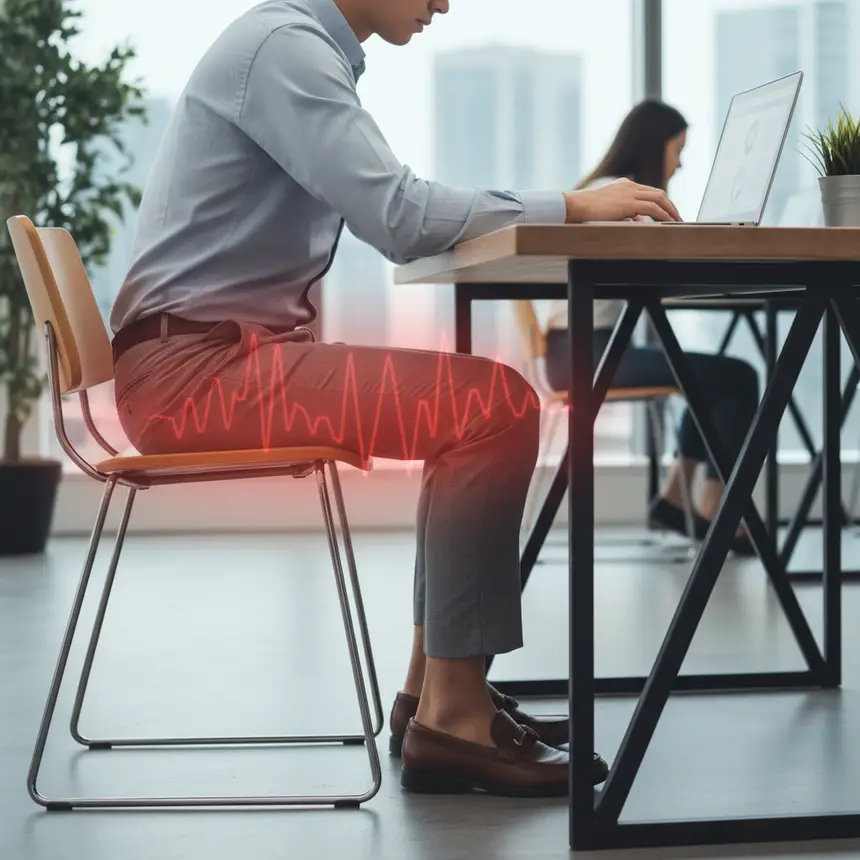
Struggling to activate your glutes during lower body workouts? Discover effective strategies to engage your glutes, sculpt your hip line, and reduce thigh dominance. From pelvic stability to smart exercise choices, transform your glute training for lasting results.

Lower Body Workouts: Why Do My Thighs Burn While My Glutes Stay Silent?
Many individuals diligently engage in lower body exercises, striving for strong and shapely legs, yet often find themselves frustrated by a lack of progress in their target areas. A common complaint is that despite consistent efforts focused on glute development and achieving a toned hip line, workouts primarily result in bigger thighs or even lower back discomfort. This feeling of 'my thighs are doing all the work, but my glutes aren't engaged' can lead to questions about workout effectiveness. This phenomenon isn't simply due to insufficient volume; it often indicates that the glute muscles aren't properly activating, and other muscle groups are overcompensating. Today, we'll explore the primary reasons hindering hip line development and discover practical ways to effectively wake up your glute muscles without overworking your thighs.

Unlocking Glute Potential: Core Causes of Inactivity and Solutions
Achieving a sculpted hip line requires more than just repeating movements; it demands that your glute muscles actively drive the action. Let's delve into three main reasons why your glutes might not be firing effectively and explore their practical solutions.
1. Quad Dominance: The Path of Least Resistance
Our bodies naturally seek the most efficient path to generate force. During lower body exercises like squats or lunges, if your glutes are weak or not properly engaged, your body will default to recruiting stronger, more familiar muscles, such as your quadriceps. This leads to an imbalance where your glutes don't receive adequate stimulation, while your thighs become overdeveloped. To correct this, start by practicing glute isolation exercises with lighter weights or just your body weight. Focus on performing movements slowly, concentrating on feeling your glutes initiate and drive the entire motion.
2. The Unsung Hero: The Importance of Pelvic Stability
Your glute muscles operate most effectively on a stable foundation. If your pelvis is unstable, swaying or tilting during exercises, your glutes cannot generate maximum force. An unstable pelvis forces surrounding muscles, like those in your thighs and lower back, to compensate, thereby hindering efficient glute engagement. To enhance pelvic stability, incorporate core exercises (planks, dead bugs) and specific hip-strengthening movements like glute bridges and clamshells into your routine. Practicing single-leg balance drills also significantly contributes to better pelvic control.
3. More Isn't Always Better: Strategic Exercise Selection
Many believe that performing a wide variety of glute exercises will yield faster or better results, but this is often not the case. Attempting too many different movements can dilute your focus and make it difficult to establish a strong 'feel' for your glute muscles. Instead, it's far more effective to select a few key exercises that best engage your glutes (e.g., hip thrusts, Romanian deadlifts, good mornings, squat variations) and master them with precise form. Rather than constantly adding new exercises, concentrate on maximizing glute activation within your chosen movements.
1. Quad Dominance: The Path of Least Resistance
Our bodies naturally seek the most efficient path to generate force. During lower body exercises like squats or lunges, if your glutes are weak or not properly engaged, your body will default to recruiting stronger, more familiar muscles, such as your quadriceps. This leads to an imbalance where your glutes don't receive adequate stimulation, while your thighs become overdeveloped. To correct this, start by practicing glute isolation exercises with lighter weights or just your body weight. Focus on performing movements slowly, concentrating on feeling your glutes initiate and drive the entire motion.
2. The Unsung Hero: The Importance of Pelvic Stability
Your glute muscles operate most effectively on a stable foundation. If your pelvis is unstable, swaying or tilting during exercises, your glutes cannot generate maximum force. An unstable pelvis forces surrounding muscles, like those in your thighs and lower back, to compensate, thereby hindering efficient glute engagement. To enhance pelvic stability, incorporate core exercises (planks, dead bugs) and specific hip-strengthening movements like glute bridges and clamshells into your routine. Practicing single-leg balance drills also significantly contributes to better pelvic control.
3. More Isn't Always Better: Strategic Exercise Selection
Many believe that performing a wide variety of glute exercises will yield faster or better results, but this is often not the case. Attempting too many different movements can dilute your focus and make it difficult to establish a strong 'feel' for your glute muscles. Instead, it's far more effective to select a few key exercises that best engage your glutes (e.g., hip thrusts, Romanian deadlifts, good mornings, squat variations) and master them with precise form. Rather than constantly adding new exercises, concentrate on maximizing glute activation within your chosen movements.
※ This post contains affiliate links. I may earn a commission at no extra cost to you.


Your Roadmap to Stronger Glutes and a Defined Hip Line
Effectively activating your glute muscles and achieving your desired hip line demands consistent effort and the right approach. Utilize the following roadmap and considerations to maximize your workout results.
1. Actionable Steps for Glute Engagement
2. Key Considerations for Effective Glute Training
1. Actionable Steps for Glute Engagement
- Form First, Weight Second: Prioritize feeling your glute muscles drive the movement over lifting heavy. Using a mirror or video recording yourself can be invaluable for checking your form.
- Build a Stable Foundation: Consistently perform core and pelvic stability exercises to create a strong base from which your glutes can work efficiently.
- Progressive Overload Principle: Once you consistently feel your glutes engaging, gradually increase the weight or repetitions to provide new stimulus for muscle growth.
- Select and Conquer: Choose 2-3 key exercises that you feel most effectively engage your glutes and strive to master them perfectly.
2. Key Considerations for Effective Glute Training
- Listen to Your Body: If you experience any pain during exercise, stop immediately and assess your form or take a rest. Lower back pain, in particular, can be a sign of improper form.
- Avoid Over-Arching Your Back: Many tend to hyperextend their lower back to try and engage glutes more, which can lead to injury. Keep your core braced and maintain a neutral spine throughout the movement.
- Consistency is Key: Muscle growth doesn't happen overnight. Consistent workout routines paired with adequate recovery are crucial for long-term progress and results.
Frequently Asked Questions
Q. My quads always take over during glute exercises. How can I better activate my glutes?
A. To reduce quad dominance, it's beneficial to incorporate core and pelvic stability exercises. During movements like squats or lunges, focus on shifting your weight back, pushing through your heels, and consciously driving the movement with your glutes. Also, try pausing and squeezing your glutes at the top of the contraction to enhance muscle activation.
Q. How can I tell if I have poor pelvic stability?
A. Signs of poor pelvic stability include significant swaying when standing on one leg, your knees caving inward during squats or lunges, or experiencing excessive lower back arching or tension in surrounding muscles during glute exercises. If these apply to you, prioritize exercises that strengthen your core and glute stabilizers.
Q. Do I need to train my glutes every day to see results?
A. Muscles grow during the recovery phase after a workout, so daily training is not ideal. Aim for 2-3 dedicated glute workouts per week, allowing 48-72 hours of rest or training other muscle groups in between. Consistency and adequate recovery are more effective for muscle growth than daily sessions.
Q. Do I always need to lift heavy weights for glute growth?
A. Initially, focusing on correct form and establishing a strong mind-muscle connection is paramount. Once you can consistently feel your glutes working effectively, then gradually increasing the weight (progressive overload) is beneficial for muscle growth. However, always ensure that any weight increase allows you to maintain proper form.