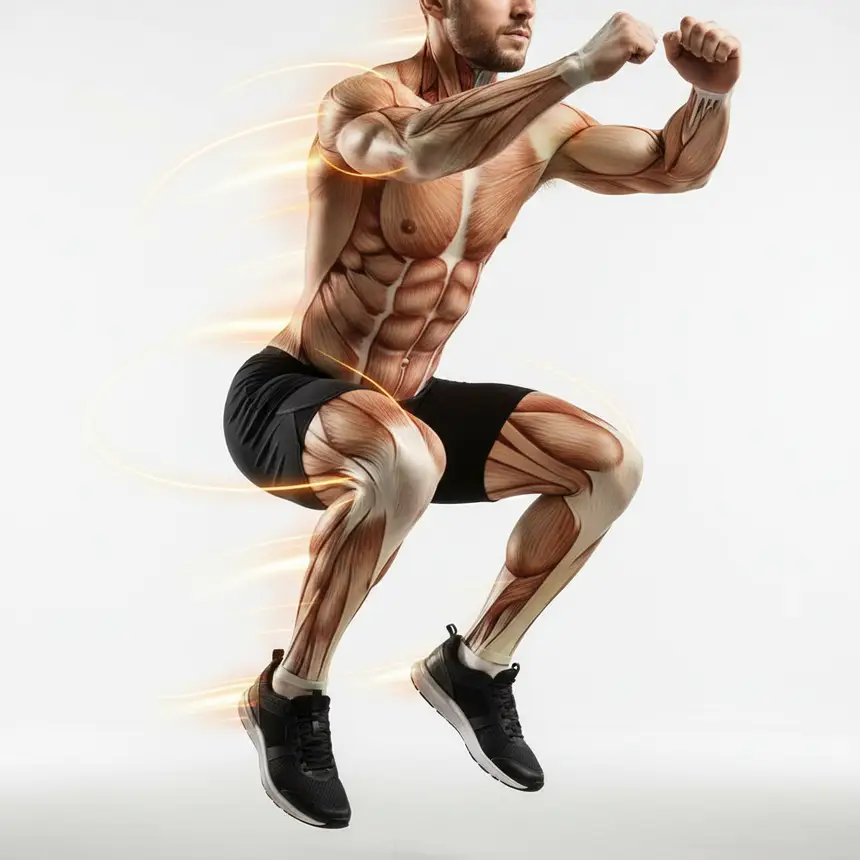
Discover effective home workouts for women using light dumbbells and yoga rings to build a toned back, slim arms, and release muscle tension. Transform your posture and achieve a graceful silhouette with these practical fitness tips designed for all levels.

Unlocking Confidence: Why Back Muscle Workouts Are Key for Women
Many women find themselves self-conscious about arm jiggle or back fat, often limiting their clothing choices. Poor posture can lead to nagging shoulder and neck pain, and a quick glance in the mirror might reveal a less-than-ideal side or back profile. It's not just about weight loss; developing strong, sleek back muscles dramatically transforms your overall silhouette and significantly improves posture. Home workouts offer a convenient and effective solution to these common concerns. With just a pair of light hand weights and a yoga ring, you can start building a stronger, more confident you right in your living room. Let's explore the essential role back muscle development plays in women's fitness.

Beginner-Friendly: Strengthening Your Back with Light Hand Weights
The journey to a sculpted back starts with the right tools. Instead of heavy, intimidating equipment, opt for light, manageable hand weights (typically 2-4 pounds). Choosing dumbbells with a comfortable, non-slip grip minimizes injury risk and helps you focus on muscle engagement.
Top 3 Dumbbell Exercises for a Defined Back
1. Single-Arm Dumbbell Row: Prop one hand and knee on a bench or sturdy chair, keeping your back straight. Hold a dumbbell in your free hand. Slowly pull the dumbbell towards your hip, squeezing your shoulder blade. Focus on letting your elbow drive the movement, brushing past your torso. Aim for 10-12 repetitions per arm for 3 sets.
2. Bent-Over Reverse Fly: Slightly bend your knees and hinge at your hips, bringing your torso nearly parallel to the floor. Hold a dumbbell in each hand, palms facing each other, with a slight bend in your elbows. Squeeze your shoulder blades together as you raise your arms out to the sides, as if you're flying. Concentrate on engaging your upper back muscles, not just your shoulders. Perform 12-15 reps for 3 sets.
3. Dumbbell Pullover: Lie on your back on a bench or the floor, holding one dumbbell with both hands over your chest. Keep a slight bend in your elbows as you slowly lower the dumbbell behind your head, feeling a stretch in your lats and chest. Use your back and chest muscles to pull the dumbbell back to the starting position. Complete 10-12 reps for 3 sets.
Top 3 Dumbbell Exercises for a Defined Back
1. Single-Arm Dumbbell Row: Prop one hand and knee on a bench or sturdy chair, keeping your back straight. Hold a dumbbell in your free hand. Slowly pull the dumbbell towards your hip, squeezing your shoulder blade. Focus on letting your elbow drive the movement, brushing past your torso. Aim for 10-12 repetitions per arm for 3 sets.
2. Bent-Over Reverse Fly: Slightly bend your knees and hinge at your hips, bringing your torso nearly parallel to the floor. Hold a dumbbell in each hand, palms facing each other, with a slight bend in your elbows. Squeeze your shoulder blades together as you raise your arms out to the sides, as if you're flying. Concentrate on engaging your upper back muscles, not just your shoulders. Perform 12-15 reps for 3 sets.
3. Dumbbell Pullover: Lie on your back on a bench or the floor, holding one dumbbell with both hands over your chest. Keep a slight bend in your elbows as you slowly lower the dumbbell behind your head, feeling a stretch in your lats and chest. Use your back and chest muscles to pull the dumbbell back to the starting position. Complete 10-12 reps for 3 sets.
※ This post contains affiliate links. I may earn a commission at no extra cost to you.


Post-Workout Essential: Yoga Ring Stretching for Flexibility & Recovery
After working your back muscles, it's crucial to release tension and improve flexibility. A yoga ring is an excellent tool for targeting deep muscles in your back, shoulders, and calves—areas often hard to reach. Ensure you choose a durable yoga ring that can safely support your body weight for stable stretching.
Effective Yoga Ring Stretching Routine
1. Mid-Back and Scapula Release: Lie on your back on the floor, placing the yoga ring horizontally under your mid-back (between your shoulder blades). Clasp your hands behind your head. Gently roll side-to-side over the ring, massaging any tight spots. Pause on areas that feel particularly stiff and apply gentle pressure.
2. Trapezius and Neck Relief: Position the curved part of the yoga ring at the base of your skull, where your neck meets your shoulders. Lie back, letting the weight of your head press gently into the ring. Slowly turn your head from side to side, or nod up and down, to release tension in your upper traps and neck muscles.
3. Calf and Hamstring Loosening: While seated, wedge the narrower part of the yoga ring under your calf or hamstring. Apply pressure by leaning into it, then roll back and forth or rotate your leg gently. This helps alleviate muscle fatigue and can improve circulation in your legs.
Important Note: Always stop if you experience sharp pain or significant discomfort during stretching. Maintain proper posture while using the yoga ring and avoid jerky movements. Consistency is key; aim to incorporate these stretches into your daily routine, even for a few minutes. Combine regular back strengthening with stretching to cultivate a healthy and beautiful back!
Effective Yoga Ring Stretching Routine
1. Mid-Back and Scapula Release: Lie on your back on the floor, placing the yoga ring horizontally under your mid-back (between your shoulder blades). Clasp your hands behind your head. Gently roll side-to-side over the ring, massaging any tight spots. Pause on areas that feel particularly stiff and apply gentle pressure.
2. Trapezius and Neck Relief: Position the curved part of the yoga ring at the base of your skull, where your neck meets your shoulders. Lie back, letting the weight of your head press gently into the ring. Slowly turn your head from side to side, or nod up and down, to release tension in your upper traps and neck muscles.
3. Calf and Hamstring Loosening: While seated, wedge the narrower part of the yoga ring under your calf or hamstring. Apply pressure by leaning into it, then roll back and forth or rotate your leg gently. This helps alleviate muscle fatigue and can improve circulation in your legs.
Important Note: Always stop if you experience sharp pain or significant discomfort during stretching. Maintain proper posture while using the yoga ring and avoid jerky movements. Consistency is key; aim to incorporate these stretches into your daily routine, even for a few minutes. Combine regular back strengthening with stretching to cultivate a healthy and beautiful back!
Frequently Asked Questions
Q. Can light dumbbells really build back muscle?
A. Absolutely! With proper form and consistent repetitions, light dumbbells can effectively stimulate and strengthen your back muscles. They are especially good for beginners and women, helping to build endurance and reduce the risk of injury.
Q. What kind of yoga ring should I choose?
A. Most yoga rings are made from durable plastic (PP). They come in different firmness levels, typically soft and hard. If you're new to it, start with a softer ring. Choose based on your flexibility level and stretching goals.
Q. What's the most important aspect of back muscle workouts?
A. Maintaining correct form is paramount. Use a mirror to check your posture, or consider getting guidance from a fitness professional to master the movements. Consistency and gradually increasing the challenge are also vital.
Q. Is it okay to work out my back muscles every day?
A. Muscles grow during recovery, so it's generally better to train your back every 2-3 days, allowing for adequate rest, rather than high-intensity workouts daily. Daily stretching, however, is beneficial for maintaining flexibility.
Q. Can back workouts help with arm fat reduction?
A. Yes, back exercises engage not only your lats and traps but also indirectly involve your arm movements. Strengthening your overall upper body muscles can boost your metabolism, aiding in total body fat reduction, which positively impacts arm definition.