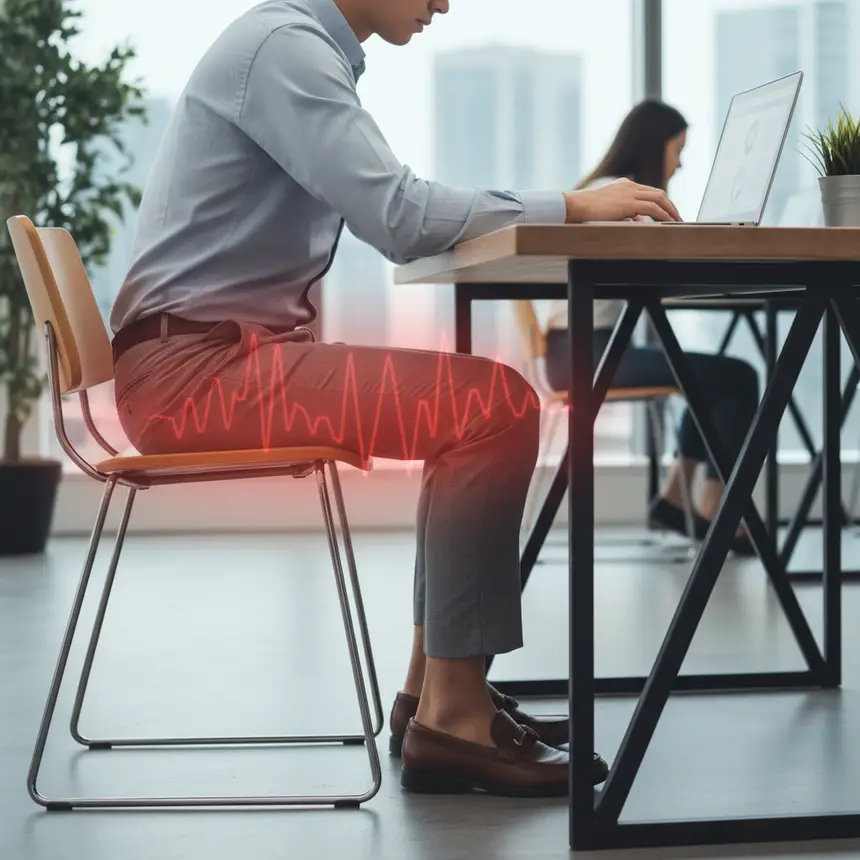
Tossing and turning at night? Discover how just 5 minutes of stretching before bed can lead to deeper sleep and refreshed mornings. Learn an effective evening stretch routine to boost your sleep quality.

The Transformative Power of Evening Stretches for Better Sleep
If you frequently toss and turn throughout the night or wake up feeling sluggish and unrefreshed, incorporating a pre-sleep stretching routine might be the simple solution you've been seeking. Gently releasing the tension accumulated in your muscles throughout the day, just before bed, is more than just physical relaxation; it's a key to dramatically improving the quality of your sleep. This brief investment helps signal your brain to transition into a restful state, promoting deeper, more peaceful slumber through tension relief. As a result, your body gets the adequate recovery and regeneration it needs overnight, allowing you to start the next day feeling much more vibrant and energized. This benefit extends beyond just good sleep, positively impacting your overall daily vitality and concentration.

Unwind and Recharge: A Detailed 5-Minute Pre-Bed Stretch Guide
Here’s a simple yet highly effective stretching routine designed to promote deep sleep and release full-body tension. Remember to perform each movement slowly and gently, always listening to your body’s limits.
1. Gentle Movements for Neck and Shoulder Release
These exercises target the muscles in your neck and shoulders that often become tight from prolonged computer or smartphone use. While sitting or lying comfortably, use one hand to gently pull your head towards your shoulder, stretching the opposite side of your neck. Repeat on the other side. Then, interlace your fingers behind your head, tuck your chin towards your chest, and lengthen the back of your neck. Hold each stretch for 15-20 seconds, breathing deeply and smoothly.
2. Core Stretches for Spinal Flexibility and Relief
This sequence is excellent for alleviating spinal fatigue and enhancing flexibility. Begin on all fours, with your hands beneath your shoulders and knees under your hips. As you inhale, arch your back, dropping your belly towards the floor and lifting your gaze. As you exhale, round your spine towards the ceiling, tucking your chin to your chest. Repeat this flowing movement 5-8 times, allowing your spine to move fluidly through each segment.
3. Lower Body Poses to Aid Circulation and Relaxation
This pose helps improve blood circulation in your lower body, reduces leg swelling, and contributes to a more restful sleep. Lie comfortably on your back with your hips as close to a wall as possible. Extend both legs straight up against the wall, forming an L-shape with your body. Hold this position for about 5 minutes, focusing on deep breaths. You’ll feel the fatigue drain from your legs, promoting a sense of calm and relief.
1. Gentle Movements for Neck and Shoulder Release
These exercises target the muscles in your neck and shoulders that often become tight from prolonged computer or smartphone use. While sitting or lying comfortably, use one hand to gently pull your head towards your shoulder, stretching the opposite side of your neck. Repeat on the other side. Then, interlace your fingers behind your head, tuck your chin towards your chest, and lengthen the back of your neck. Hold each stretch for 15-20 seconds, breathing deeply and smoothly.
2. Core Stretches for Spinal Flexibility and Relief
This sequence is excellent for alleviating spinal fatigue and enhancing flexibility. Begin on all fours, with your hands beneath your shoulders and knees under your hips. As you inhale, arch your back, dropping your belly towards the floor and lifting your gaze. As you exhale, round your spine towards the ceiling, tucking your chin to your chest. Repeat this flowing movement 5-8 times, allowing your spine to move fluidly through each segment.
3. Lower Body Poses to Aid Circulation and Relaxation
This pose helps improve blood circulation in your lower body, reduces leg swelling, and contributes to a more restful sleep. Lie comfortably on your back with your hips as close to a wall as possible. Extend both legs straight up against the wall, forming an L-shape with your body. Hold this position for about 5 minutes, focusing on deep breaths. You’ll feel the fatigue drain from your legs, promoting a sense of calm and relief.
※ This post contains affiliate links. I may earn a commission at no extra cost to you.


How to Integrate Nightly Stretching into Your Routine Effortlessly
To truly experience the benefits of evening stretching, consistency is paramount. Here are several effective strategies to seamlessly weave this practice into your daily life:
- Establish a Dedicated Time Slot: Designate a specific time for your stretching, perhaps 30 minutes to an hour before you plan to sleep, and set a gentle alarm. For instance, make 10:30 PM your dedicated 'unwind time.' A consistent schedule is a powerful motivator for habit formation.
- Create an Optimal Environment: Transform your stretching space into a cozy and inviting sanctuary. Dim the lights, play some calming music, or use an aromatherapy diffuser to enhance focus and relaxation. The key is to make this space synonymous with 'rest' and tranquility.
- Start Small, Then Gradually Increase: Instead of aiming for a perfect routine from day one, begin by consistently performing just one or two of the suggested stretches. Start with 5 minutes, and as your body adapts, gradually extend the duration. Small successes build momentum for further progress.
- Track Progress and Reward Yourself: After your stretching session, note how refreshed or relaxed you feel in a journal or simple memo. This positive feedback reinforces the habit. Occasionally, treating yourself to a small, non-food reward can also be an effective way to maintain motivation.

Maximizing Your Evening Stretch Benefits: Key Tips and Target Audience
Evening stretching is an excellent method for enhancing sleep quality, but understanding and applying a few precautions will maximize its effectiveness and help prevent injuries.
Essential Guidelines During Your Stretch Session
Who Should Prioritize This Evening Practice?
Essential Guidelines During Your Stretch Session
- Stretch Within a Pain-Free Range: If you feel any sharp or uncomfortable pain during a stretch, stop immediately. There's a clear distinction between a 'good stretch' and 'pain.' Overstretching can actually strain your muscles.
- Focus on Your Breath: Maintaining deep, even breathing throughout your stretching routine is crucial. Avoid holding your breath; instead, focus on exhaling as your muscles relax further. Breath plays a central role in releasing physical tension.
- Consistency is Key: Don't expect immediate results after just a day or two. The long-term benefits and changes are realized through consistent practice. Be patient and trust in your daily efforts.
Who Should Prioritize This Evening Practice?
- Individuals Seeking Improved Sleep Quality: If you struggle to fall asleep or wake up frequently during the night, this routine can significantly help induce restful sleep.
- Desk Workers and Those with Sedentary Lifestyles: Excellent for releasing tension in the neck, shoulders, and lower back, areas prone to stiffness from prolonged sitting.
- Anyone Feeling Stiff or Lacking Flexibility: Regular stretching can enhance overall flexibility and promote full-body relaxation, especially if you have limited physical activity.
- Those Needing Stress and Tension Relief: Stretching offers not only physical relaxation but also mental tranquility, making it effective for stress management.
Frequently Asked Questions
Q. How long should an evening stretch routine be for it to be effective?
A. Quality over quantity is key. Initially, holding each stretch for 15-30 seconds, totaling 5-10 minutes, is sufficient. Consistency is what matters most; you can gradually increase the duration as your body adapts.
Q. Do I need to stretch every night for it to be beneficial?
A. While daily stretching is ideal, you can still reap significant benefits by consistently practicing at least 3-4 times a week. It's important to adjust based on your body's condition and maintain the habit over time.
Q. What should I do if I feel pain while stretching?
A. If you experience any sharp pain or discomfort during a stretch, stop the movement immediately and rest. Distinguish between a 'good stretch' and actual pain; forcing a stretch through pain can lead to injury.
Q. Are there other ways to improve sleep quality besides evening stretching?
A. Yes, several habits can greatly enhance sleep quality, including avoiding screens before bed, maintaining a consistent sleep-wake schedule, reducing caffeine and alcohol intake, and ensuring your bedroom is dark and cool.
Q. Which types of stretches are most beneficial for sleep?
A. While individual preferences vary, stretches that relax large muscle groups in the neck, shoulders, back, and lower body are generally most effective. Movements that gently articulate the spine or improve lower body circulation tend to have a positive impact on deep sleep.