Tired of weak legs? This comprehensive guide covers everything from the benefits of squats and proper lunge form to effective resistance band techniques you can do at home. Start your journey to a stronger, more vibrant life today.

H2: Revitalize Your Lower Body: The Foundation of Everyday Vigor
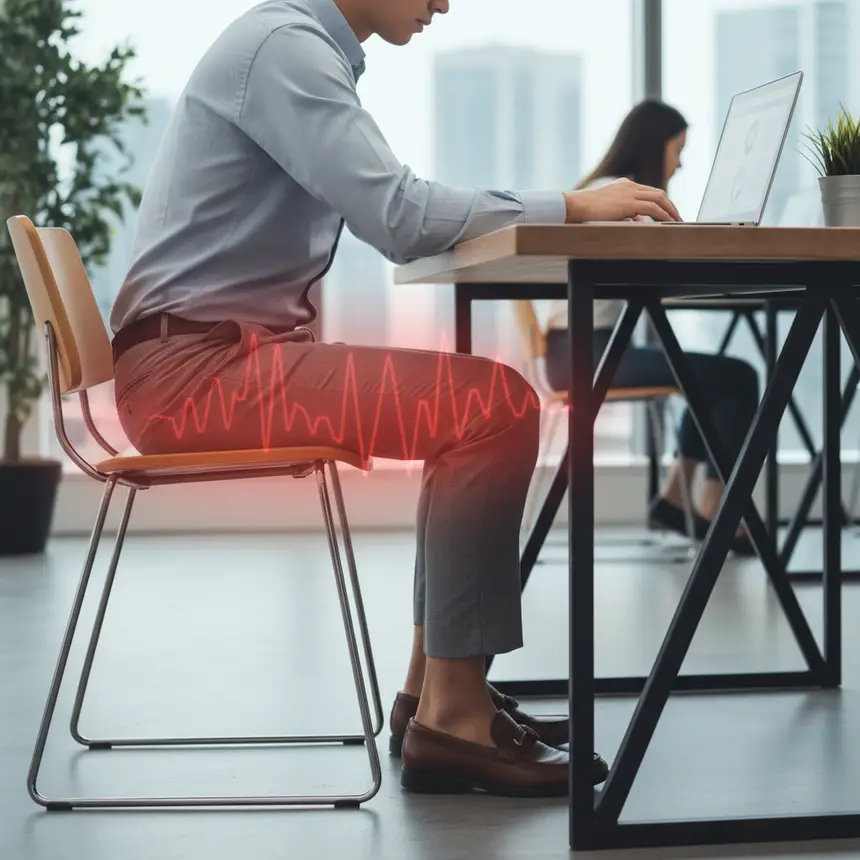
Do you ever find yourself dreading a flight of stairs or feeling winded after a short brisk walk to the bus stop? Many of us spend a significant portion of our day sitting, which can lead to weakened thigh and glute muscles. This decline in lower body strength isn't just about feeling less powerful; it can contribute to poor balance, back pain, and overall instability. A strong lower body acts as your body's central anchor, crucial not only for daily vitality but also for enhancing athletic performance. Let's explore effective ways to bolster your lower body strength through understanding the benefits of squats, the importance of proper lunge form, and how to integrate resistance bands into your routine.

H2: Your Lower Body's SOS Signals: From Knees to Lower Back
A weakened lower body can trigger a chain reaction throughout your entire physical system. For instance, if your knees tend to cave inward when you walk or your ankles frequently roll, it might be a sign that your lower body muscles aren't providing adequate support to your ankle and knee joints. Additionally, if you notice a decrease in your balance, find yourself easily tripping, feel fatigued more quickly than usual, or struggle when standing up from a seated position, it's a clear indicator that your lower body strength needs attention. Lower back pain is also intimately linked to weak lower body muscles. When your glutes and hamstrings aren't functioning optimally, your back muscles can become overused, leading to discomfort. These issues not only diminish your quality of life but also escalate the risk of more serious injuries over time. It's essential to recognize and address these subtle signals your body sends.
※ This post contains affiliate links. I may earn a commission at no extra cost to you.


H2: Core and Lower Body Synergy: Essential Exercises
When it comes to building lower body strength, squats and lunges are arguably the most fundamental and effective exercises.
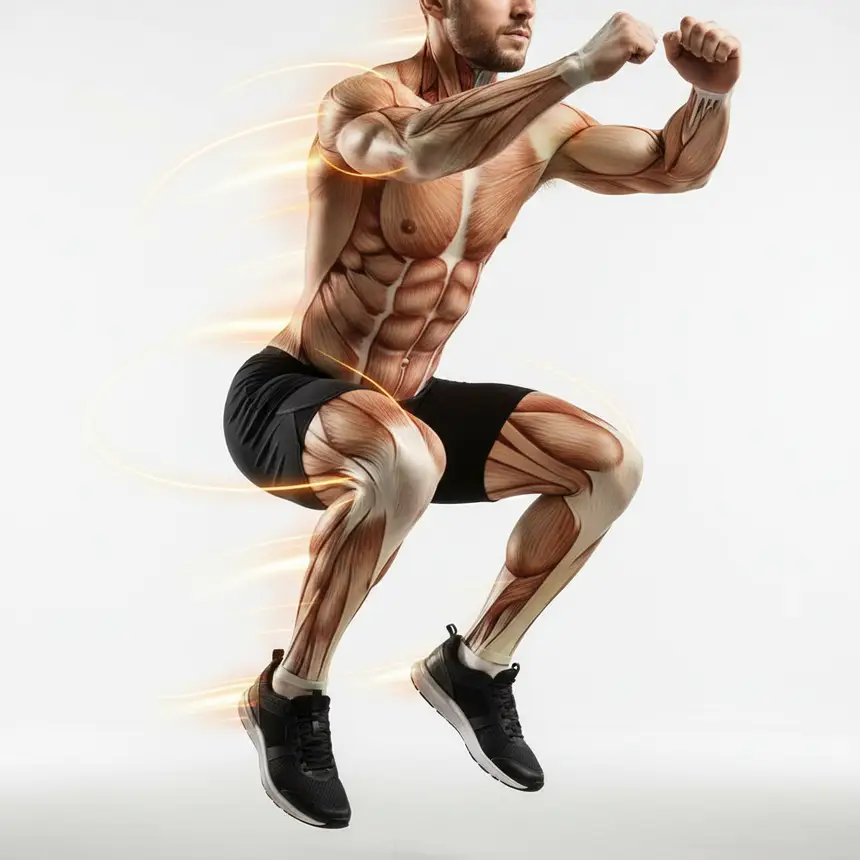
- Maximizing Squat Benefits: Often dubbed the 'king of lower body exercises,' squats engage muscles throughout your entire lower body, including your thighs, glutes, and calves. For proper squat form, stand with your feet shoulder-width apart, toes pointing slightly outward. As you lower down, imagine sitting back into a chair, ensuring your knees don't track past your toes. Keep your chest up and gaze forward. The deeper you squat, the more engagement you'll get in your glutes, aiming for your thighs to be parallel to the floor.
- Perfecting Lunge Form and Impact: Lunges are single-leg exercises performed alternately, excellent for isolating glutes and hamstrings while significantly improving balance. To perform a lunge, step one foot forward and lower your body until both knees form a 90-degree angle. Be mindful that your front knee doesn't extend beyond your toes, and your back knee hovers just above the ground. Maintain an upright torso and engage your core for stability.
- Utilizing Resistance Bands: Incorporating resistance bands into your squats and lunges can intensify muscle activation. For squats, placing a band just above your knees can increase the engagement of your outer thigh muscles (abductors) and glutes. For lunges, anchoring a band under your front foot and holding the ends in your hands as you lunge adds extra resistance to your leg muscles, amplifying the workout's effectiveness. Bands are portable, versatile, and allow for progressive overload by adjusting their resistance level.

H2: A Beginner-Friendly Lower Body Strength Routine
Your journey to stronger lower body muscles begins with small, consistent steps. If you're a beginner, aim to start with 2-3 workouts per week, gradually increasing frequency as you get stronger.
Rest for 60-90 seconds between sets, focusing on precise form over speed. As you progress, increase reps, sets, or the resistance level of your bands.
- Warm-up (5-10 minutes): Begin with light cardio like walking in place or gentle leg stretches to prepare your muscles.
- Squats: Start with 3 sets of 10-12 bodyweight squats. If maintaining form is challenging, try wall squats (with your back against a wall) or simply sitting down and standing up from a chair. Gradually increase your depth.
- Lunges: Perform 3 sets of 8-10 lunges per leg. If balance is an issue, hold onto a wall or chair for support, then progress to free-standing as you gain confidence.
- Resistance Band Glute Bridges: Lie on your back with knees bent, place a resistance band just above your knees, and lift your hips off the floor. Aim for 3 sets of 15 repetitions to activate your glutes.
- Cool-down (5 minutes): Finish with lower body stretches to relax your muscles and improve flexibility.
Rest for 60-90 seconds between sets, focusing on precise form over speed. As you progress, increase reps, sets, or the resistance level of your bands.

H2: Unlock Life's Vitality with Strong Legs – Start Today!
A robust lower body offers far more than just aesthetically pleasing legs; it's a critical component in enhancing your overall quality of life. Improved posture, heightened balance, and increased energy levels will infuse your daily activities with a new sense of vigor. The ease with which you climb stairs, the comfort of a long walk, and the stamina to enjoy your favorite hobbies for longer are all precious gifts that come from strengthening your lower body. Commit to regularly incorporating squats, lunges, and resistance band exercises into your routine starting today. Watch as these small, consistent actions accumulate into significant positive changes, leading you to a healthier, more vibrant life.
Frequently Asked Questions
Q. What should I do if I experience knee pain during squats or lunges?
A. If you feel knee pain, stop the exercise immediately and reassess your form. Start with partial squats (half squats) or wall squats if your range of motion is limited, and for lunges, avoid taking too wide a stance. If pain persists, consulting a fitness professional or physical therapist is advisable.
Q. How do I choose the right resistance band?
A. Resistance bands come in various colors, each indicating a different resistance level. Beginners should start with lighter resistance bands (e.g., yellow, red) and gradually progress to stronger ones (e.g., blue, black). It's also effective to use different resistance levels for various exercises or sets within a workout.
Q. Is it okay to do lower body exercises every day?
A. Muscles grow during the recovery phase after a workout, so it's generally more effective to allow 2-3 days of rest between working the same muscle group rather than training it daily. For beginners, 2-3 lower body workouts per week are recommended, with other body parts or light cardio on rest days.
Q. I want to feel more glute activation during squats. Any tips?
A. To increase glute activation, try widening your stance slightly wider than shoulder-width and pointing your toes out 15-30 degrees. Focus on sitting deeper into the squat by pushing your hips back more, and squeeze your glutes at the top as you stand up. Using a resistance band just above your knees during squats can also significantly enhance glute engagement.