Enhance your daily exercise with proper walking form and stair climbing techniques. Discover how to engage your core and glute muscles for efficient movement, correcting imbalances and building a healthier body.

The Underrated Importance of Proper Walking Form: What Your Gait Might Be Hiding
Many individuals turn to walking as their primary exercise for weight management. It's common to believe that simply walking faster or for longer durations is the most effective way to burn calories. However, understanding 'how' you walk is just as crucial as 'how much' you walk. Have you ever experienced unexplained pain after walking, or felt that your efforts weren't yielding the expected fitness results? Our bodies don't just walk with our legs; every step requires intricate coordination from a network of muscles throughout the entire body. If your core and hip muscles aren't properly engaged, your walking routine might be underperforming, potentially leading to postural imbalances or undue stress on certain joints in the long run. Shifting your focus from just moving your feet to engaging your entire body in the walking process is the foundational step toward healthier movement.

Unpacking Inefficient Walking Habits: The Root Causes of Misaligned Movement
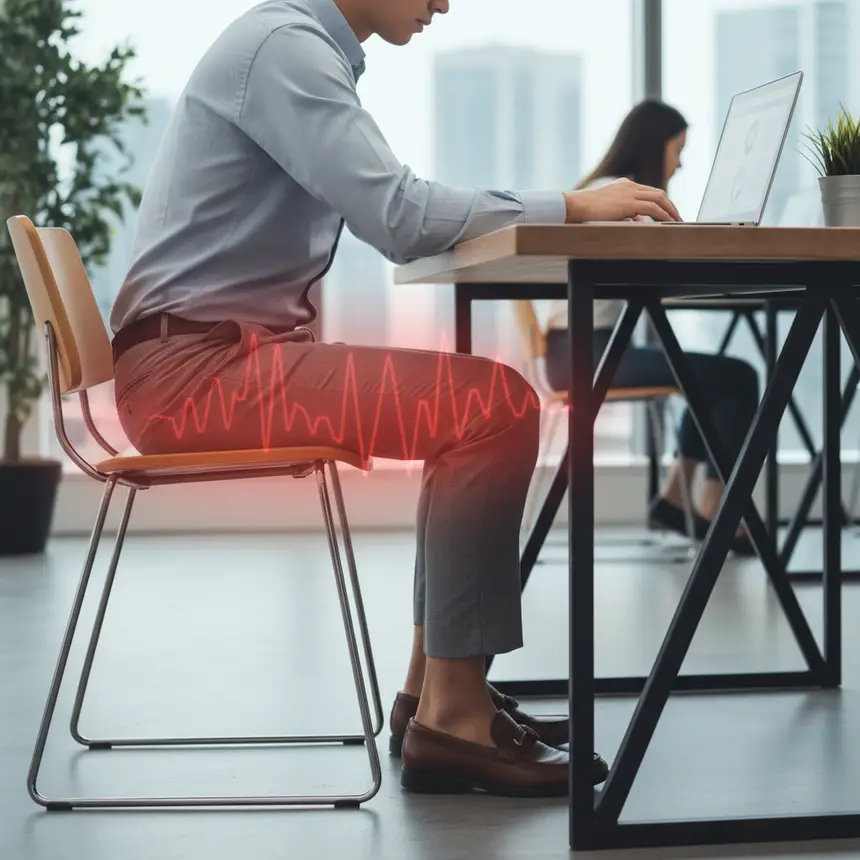
Issues with walking form are more complex than just having an 'odd gait.' Our static posture and dynamic movement (gait) are intricately linked, forming the basis of all physical activity. Many people, when starting an exercise regimen, tend to focus solely on outcomes like weight loss or muscle gain. However, proceeding with exercises without a thorough understanding of one's current posture and walking patterns can entrench inefficient movement habits or even exacerbate strain on specific body parts. For instance, weak core or gluteal muscles can lead to excessive reliance on leg muscles, causing discomfort in the knees or lower back. This is akin to building an elaborate interior in a house with a shaky foundation; fundamental problems remain unresolved. Therefore, before diving into workouts, it's essential to understand how your body moves and which muscles are functioning optimally. Proper assessment and analysis are key to developing an effective fitness plan.
※ This post contains affiliate links. I may earn a commission at no extra cost to you.


Engaging Your Core: Redefining Efficient Walking with Glute and Abdominal Activation
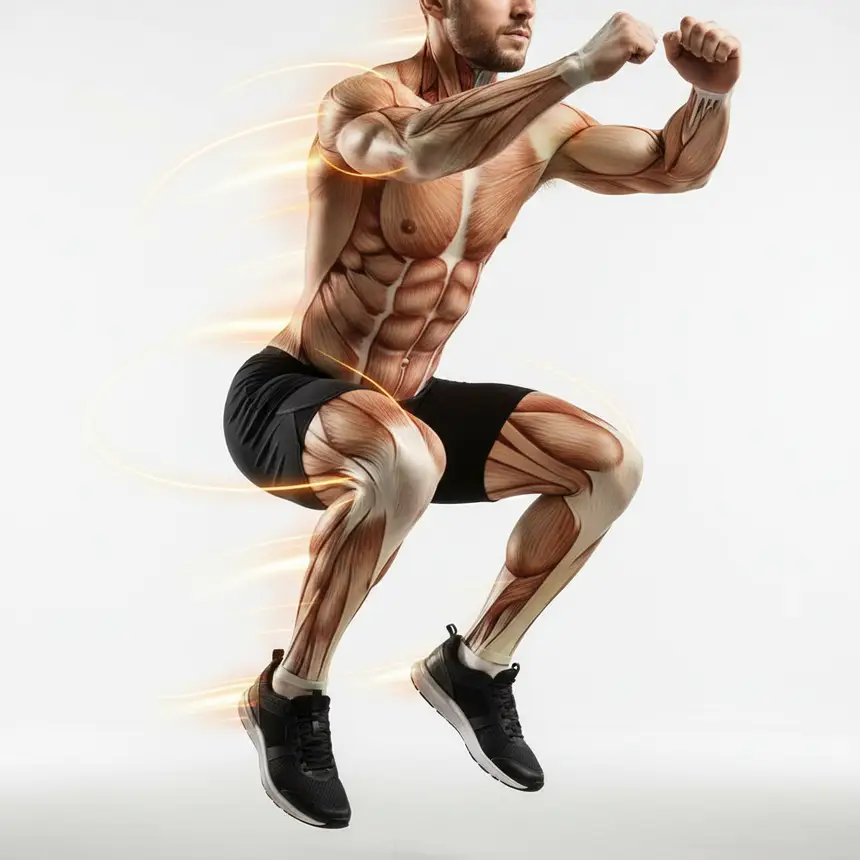
Truly efficient walking extends beyond just your feet and legs; it fundamentally begins with the activation of your core and gluteal muscles, the powerhouses of your body. Simply walking faster or climbing inclines isn't enough. The key lies in 'consciously engaging the right muscles.' Maximize your walking workout with these techniques:
- Core-Activated Walking: As you walk, maintain a slight contraction in your lower abdomen, as if pulling your belly button gently towards your spine. Imagine your core muscles stabilizing your torso with every step, preventing unnecessary sway and helping maintain an upright posture.
- Glute-Driven Walking: With each stride, particularly as your leg extends backward, consciously squeeze your glutes. When climbing stairs, think of lifting your body with the power of your glutes, not just your knees or calves. Keep your torso straight, avoiding leaning forward. Your glutes are among the largest muscles in your body; activating them leads to greater calorie expenditure and significantly improves lower body stability.
- Pressing Through the Foot: Instead of just lifting and placing your feet, actively push off the ground with your entire foot. Feel the progression of weight transfer from your forefoot through the arch to your heel, connecting this movement back to your glutes and core. This mindful engagement of your central muscles transforms walking into a full-body exercise.

Building Healthy Movement Habits Through Consistent Daily Practice
Mastering proper walking form isn't an overnight achievement; it's a journey of continuous self-awareness and practice that gradually builds into a habit. Start today by observing your standing posture in a mirror, and consciously paying attention to how each part of your body moves with every step. Even small changes can make a big difference.
Understanding your body and mastering efficient movement is an invaluable investment, far beyond just shedding pounds. It's about cultivating a more vibrant and healthier life. Embrace consistent practice and experience the positive transformations your body can achieve.
- Mindful Daily Practice: Whether you're commuting, grocery shopping, or just moving around your home, consciously practice 'engaging your core' and 'walking with your glutes.' It might feel awkward or challenging at first, but with repetition, you'll begin to feel these muscles activating correctly.
- Harness the Power of Stairs: Opt for stairs instead of elevators or escalators whenever possible. By applying the glute and core activation techniques mentioned earlier, stair climbing can provide an intense lower body and core workout in a short amount of time. This not only boosts your physical fitness but also significantly improves your balance and coordination.
Understanding your body and mastering efficient movement is an invaluable investment, far beyond just shedding pounds. It's about cultivating a more vibrant and healthier life. Embrace consistent practice and experience the positive transformations your body can achieve.
Frequently Asked Questions
Q. What exactly is 'glute-driven walking'?
A. 'Glute-driven walking' means actively propelling your body forward by engaging your gluteal (buttock) muscles and core, rather than relying solely on leg strength. It involves consciously squeezing your glutes as your leg extends backward to push off the ground.
Q. Is there a simple way to check if my walking posture is correct?
A. When standing sideways in front of a mirror, check if your ear, shoulder, hip, knee, and ankle are generally aligned in a straight line. When walking, your upper body shouldn't lean too far forward or back, your gaze should be straight ahead, and your arms should swing naturally. Minimal body sway and a sense of stability usually indicate good walking form.
Q. Is stair climbing more effective than walking on flat ground?
A. Yes, stair climbing involves moving against gravity, making it more effective for strengthening lower body muscles and improving cardiovascular endurance than walking on flat ground. It particularly engages the glutes and hamstrings more, leading to increased calorie expenditure and muscle activation.
Q. Why is activating my core and glutes so important?
A. Your core and glutes are the central stabilizers of your body, providing stability and power for almost all movements. Weakness in these muscles can lead to other muscles overcompensating, resulting in inefficient movement patterns and pain. Activating them improves overall body balance, reduces injury risk, and maximizes workout effectiveness.
Q. How long does it typically take to see results from improving my walking technique?
A. Results vary by individual, but with consistent, mindful practice, you can often feel an improvement in posture within a few weeks. For noticeable changes in muscle definition and weight management, it's generally recommended to practice regularly for at least 2-3 months. The key is to build a habit of walking with proper form daily, rather than pushing too hard occasionally.