Discover the incredible full-body benefits and efficient calorie burning secrets of swimming. Learn everything about how swimming can boost your health and shape your body without joint strain, plus an essential gear guide.

The Amazing Full-Body Benefits of Taking the Plunge
Swimming isn't just a leisurely dip; it's heralded as one of the most complete full-body workouts available. Because you're exercising in a low-gravity environment, the stress on your joints is significantly reduced, making it an ideal activity for individuals with knee or back discomfort. The natural resistance of water engages every major muscle group – your arms, legs, core, and back – promoting simultaneous gains in strength and endurance. Regular swimming sessions bolster cardiovascular health, expand lung capacity, and generally fortify your physical capabilities. You'll also likely notice improved flexibility and better posture. Beyond the physical, consistent aquatic activity is a fantastic stress reliever, contributing positively to mental well-being. Embracing this comprehensive workout can inject new vitality into your daily life and elevate your overall quality of living.

Unlocking Efficient Calorie Burn and Body Shaping Secrets
For anyone focused on weight loss or managing their physique, swimming stands out as an exceptionally effective exercise. While the exact figures can vary based on your stroke and intensity, a typical hour of swimming can torch approximately 500 to 700 calories. This is a substantial energy expenditure compared to many other cardio workouts, making it a powerful tool for efficient fat reduction. An added bonus is that your body expends extra energy to maintain its core temperature in the water, further boosting calorie burning. By alternating different strokes, you engage various muscle groups uniformly, leading to a more balanced and sculpted physique rather than overdeveloping one area. Moreover, a consistent swimming routine can elevate your metabolic rate, allowing you to continue burning calories even after your session ends. Consider tailoring your stroke choice and intensity to align with your personal fitness goals and current physical condition.
※ This post contains affiliate links. I may earn a commission at no extra cost to you.


Your Go-To Guide for a Comfortable and Safe Swim
A great swimming experience starts with having the right gear. It's more than just grabbing a swimsuit and cap; thoughtful preparation is key for comfort, hygiene, and safety in the water. Naturally, a well-fitting swimsuit and a swim cap to keep your hair neat are non-negotiables. To ensure clear vision underwater, goggles are a must, regardless of whether you need prescription lenses. An anti-fog spray for your goggles can significantly enhance your focus during training. Don't forget personal hygiene items like shampoo, body wash, or soap, along with a quick-drying towel or sports towel. Packing aqua shoes or flip-flops is also a smart move to prevent slips on pool decks and protect your feet. By having all these essentials pre-packed in your swim bag, you'll minimize pre-workout hassle and fully immerse yourself in the joy of swimming.

An Open Invitation to Aquatic Exercise: Tips and Target Audience
Swimming is a universally appealing exercise that people of all ages can enjoy, but keeping a few pointers in mind can make your experience safer and more effective. If you're new to swimming, seeking guidance from a qualified instructor is crucial to learn proper technique. Incorrect form can lead to injuries and diminish the benefits of your workout. Always include a thorough warm-up before you get in the water and a cool-down session afterward to relax muscles and improve flexibility. Swimming is particularly recommended for several groups of people. First, those seeking a low-impact workout that's gentle on joints (e.g., individuals with knee or back pain). Second, anyone aiming for comprehensive full-body strength and endurance improvement. Third, individuals looking for efficient weight management through high calorie expenditure. And fourth, those who seek stress relief and mental calm. Considering your personal health status, embrace the healthy movement that water offers consistently.
Frequently Asked Questions
Q. Why is swimming considered easier on the joints compared to other exercises?
A. Swimming takes place in water, which provides buoyancy that counteracts gravity. This significantly reduces the impact and pressure on your joints, making it much less stressful than land-based activities.
Q. How can I maximize calorie burn during my swimming sessions?
A. To maximize calorie expenditure, focus on variety in strokes and managing your intensity. Alternating between different strokes like freestyle, breaststroke, butterfly, and backstroke, and incorporating interval training (periods of high and low intensity) can be very effective. Gradually increasing your swim duration or distance also helps.
Q. What are the essential items a beginner swimmer needs?
A. For beginner swimmers, the essentials are a well-fitting swimsuit, a swim cap, and goggles for clear vision. Additionally, an anti-fog spray for goggles, shower toiletries, a quick-drying towel, and aqua shoes or flip-flops for slip prevention will enhance your comfort.
Q. Which muscle groups are primarily developed through swimming?
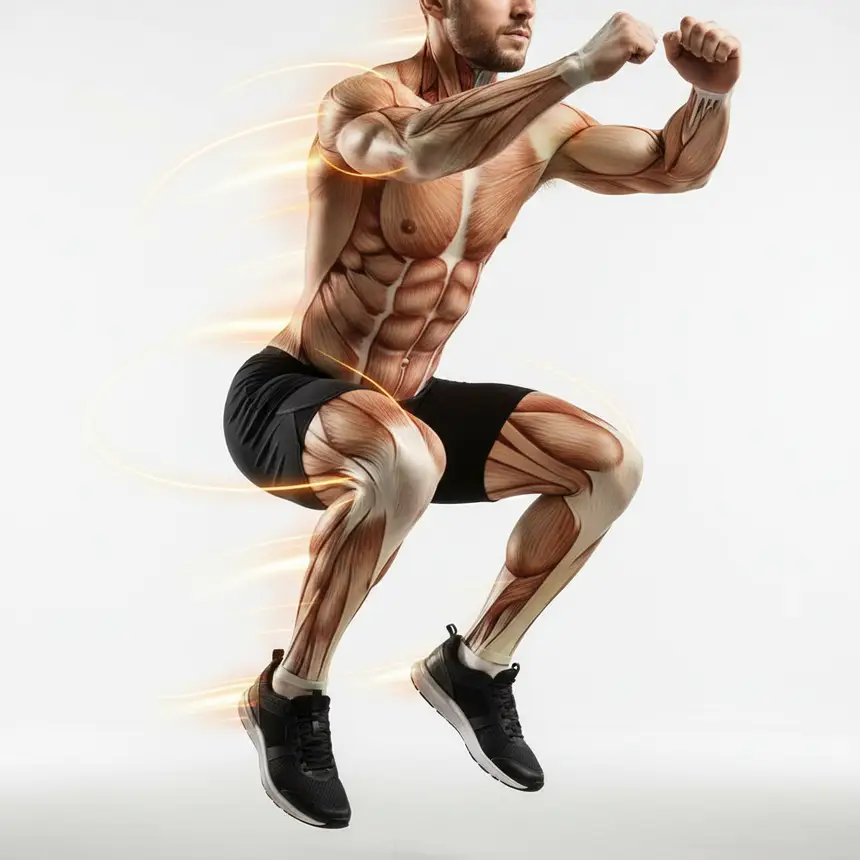
A. As a full-body workout, swimming develops all major muscle groups. Upper body muscles like the triceps, biceps, deltoids (shoulders), latissimus dorsi (back), and pectorals (chest) are heavily engaged. Your leg muscles (quadriceps, hamstrings, calves) and core muscles (abdominals, erector spinae) are also strengthened in a balanced way.