Your ultimate guide for beginners wanting to start core workouts at home! Discover how to use a balance board to correct your posture and build strong core muscles, along with specific techniques and precautions.

Tired of Poor Posture? Transform Your Body with a Strong Core
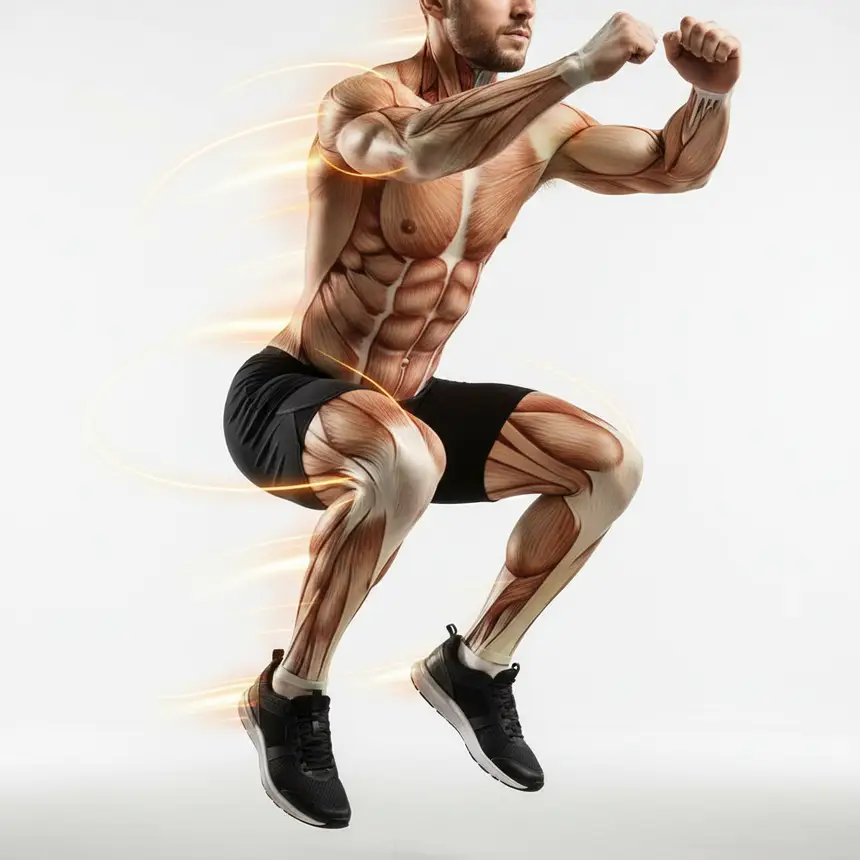
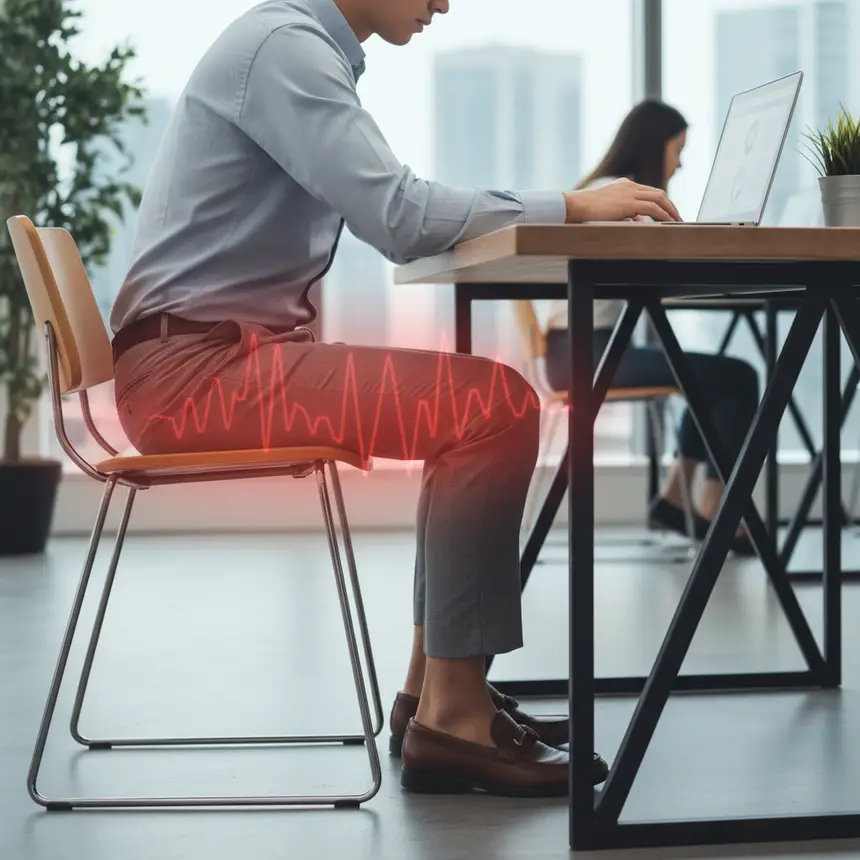
Many of us suffer from common discomforts like shoulder stiffness, lower back pain, or a misaligned pelvis, often due to prolonged sedentary lifestyles or repetitive motions. The good news is that consistent core training plays a pivotal role in alleviating these issues and improving overall posture by strengthening your body's central stability. Engaging in exercises on an unstable surface, in particular, activates deeper core muscles that are often neglected, significantly enhancing postural stability. Just a short 5 to 10-minute daily commitment can lead to a noticeable improvement in your balance and make everyday movements feel much smoother and more comfortable. Think of it like trying to stand steady on a moving boat – your body instinctively engages more muscles to maintain balance. This principle allows even beginners to effectively and safely strengthen their core at home. As the muscles surrounding your spine become more robust, you naturally develop the strength needed to maintain an upright posture, which in turn boosts your confidence and reduces physical discomfort.

Awaken Your Core Safely at Home: Utilizing Balance Boards and Auxiliary Tools
For those just starting their core training journey, a balance board can be an incredibly effective tool. While it might feel challenging to even stand on one initially, certain design considerations can make it safe and efficient for beginners. For instance, the width of the platform significantly impacts stability; a wider platform, typically around 16.5 inches (42 cm) or more, provides ample space for your entire foot, reducing the fear of falling. Additionally, a non-slip surface ensures secure footing, even barefoot, allowing you to focus better on the exercise. The tilt angle of the balance board is also crucial; a gentle incline of about 129 degrees helps beginners maintain balance while effectively engaging the core muscles around the abdomen, lower back, and pelvis. To start, place both feet on the board, slightly bend your knees, and engage your abdominal muscles. It's advisable to begin by holding onto a wall or placing a chair nearby for support. As you gain confidence, you can incorporate arm movements or even gentle squats to increase the challenge. Integrating resistance tools like a Pilates ring can further amplify your core workout. Squeezing a ring between your thighs simultaneously strengthens your adductors and lower abs, while pressing it with your arms enhances chest and arm stability, providing deeper core stimulation. After your workout, flipping the board over to use its textured surface for foot massage can be a great way to relieve tension. Over 1600 acupressure points can help improve circulation in tired feet and ease daily fatigue.
※ This post contains affiliate links. I may earn a commission at no extra cost to you.


Important Considerations and Ideal Candidates for Core Training
As with any exercise regimen, proper form and consistency are paramount in core training. Instead of attempting lengthy sessions from the outset, it's better to start with short bursts of 5 to 10 minutes daily and gradually increase the duration. Crucially, if you experience any pain during your workout, stop immediately and rest. To prevent injuries from incorrect posture, it's wise to check your form in a mirror or seek guidance from a fitness professional if needed. Furthermore, since core muscles are central to stabilizing your body, pre- and post-workout stretching is essential to properly warm up and cool down. Utilizing a balance board for core workouts is particularly beneficial for individuals who:
- Wish to correct their posture easily from home.
- Have limited time for gym visits and prefer home workouts.
- Aim to strengthen weakened core muscles or realign their pelvis post-childbirth.
- Frequently experience lower back pain due to prolonged sitting.
- Are exercise beginners seeking a stable and safe piece of equipment.
Frequently Asked Questions
Q. Why is core strength so important?
A. Your core muscles stabilize your spine and pelvis, providing the foundation for good posture and generating power for all daily movements. A strong core reduces back pain, lowers injury risk, and enhances overall athletic performance.
Q. Are balance boards safe for beginners?
A. Yes, balance boards with a wide platform and a gentle incline are generally safe for beginners. Start by practicing near a wall or with a chair for support. As you get more comfortable, you can gradually progress to unsupported use. Look for products with non-slip surfaces for added safety.
Q. What's the most important thing to remember when doing core exercises at home?
A. Maintaining proper form is key. Incorrect posture can lead to injuries and reduce effectiveness. Use a mirror to check your form, and stop immediately if you feel any pain. Consistency, even in short sessions, is also crucial, and don't forget to stretch before and after your workout.
Q. Besides balance boards, what other tools can help with core exercises?
A. In addition to Pilates rings, stability balls, foam rollers, and resistance bands can be effectively used for core training. Stability balls are great for balance exercises while sitting or lying. Foam rollers are excellent for myofascial release before and after core workouts. Resistance bands can add intensity by providing resistance.