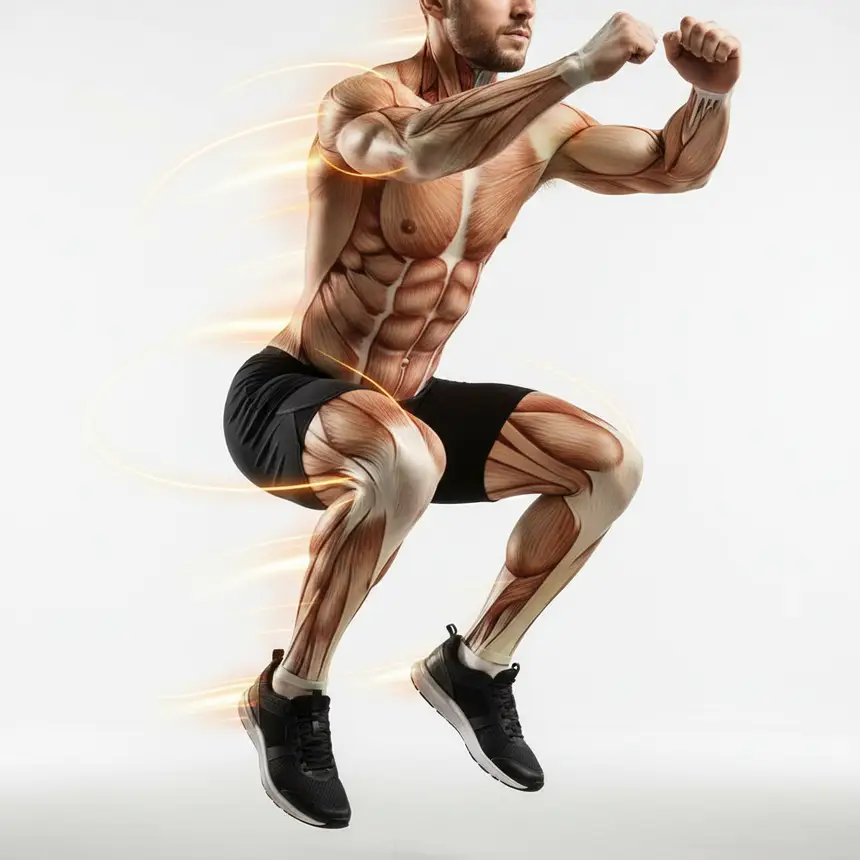
Boost your daily energy with an effective workout routine designed for beginners. Learn how to progress from core stabilization to lower body strength and interval training. Discover practical tips to enhance your fitness and transform your body and mind with healthy habits.

H2. Boost Your Daily Energy: How a Consistent Workout Routine Transforms Your Body
Embarking on a regular workout routine is more than just building physical strength; it's a pivotal step towards enhancing your overall quality of life. While it might initially feel unfamiliar and challenging, establishing a consistent habit of physical activity brings about profound positive changes in both your body and mind. You'll likely notice feeling lighter, experiencing less fatigue during daily tasks, and having a general surge in energy. Think of it like giving a well-oiled tune-up to an old engine. Steady movement strengthens the connections within your body, enabling more stable and efficient motion, which ultimately leads to more vibrant days. The cumulative effect of daily movement is surprisingly powerful. Moreover, the refreshing feeling and sense of accomplishment post-workout are excellent for stress relief, and your progressively improving fitness levels can boost self-confidence. These positive shifts will solidify your healthy lifestyle choices.

H2. A Detailed Step-by-Step Workout Routine: Core to Full Body
An effective workout routine typically begins with core stabilization and gradually progresses to enhance full-body strength and cardiovascular endurance. This particular routine is designed to be accessible for beginners, helping them build foundational fitness.
- Core Strengthening Exercises: A strong core is fundamental to all movement. Start by practicing diaphragmatic breathing while lying down, focusing on your diaphragm. Inhale to expand your belly and exhale to naturally draw it back in. Next, the dead bug exercise involves alternating arm and leg movements to improve abdominal stability. The key here is to keep your lower back pressed into the floor, engaging your core firmly. The bird-dog exercise, performed on all fours by extending an arm and the opposite leg simultaneously, enhances both balance and core muscle strength.
- Lower Body Strength Training: Your lower body comprises a significant portion of your total muscle mass, making it crucial for boosting your metabolic rate. Squats are a foundational lower body exercise: imagine sitting back into a chair, ensuring your knees don't go past your toes. Beginners can start by squatting to a chair or using assistance like TRX bands to master the form. Once comfortable with bodyweight squats, you can progress to goblet squats with a light dumbbell. Kettlebell deadlifts are excellent for developing your glutes and hamstrings; focus on hinging at your hips rather than bending your back.
- Interval Training: After your strength session, incorporate interval training to improve cardiorespiratory endurance. For example, use a step box for 30 seconds of fast step-ups or high knees, followed by 60 seconds of slow walking or light movement. Repeating this high-intensity to low-intensity cycle effectively burns calories and boosts stamina in a shorter amount of time.
※ This post contains affiliate links. I may earn a commission at no extra cost to you.


H2. Essential Precautions for Effective Workouts and Who Should Try This
Regardless of the workout routine, performing it safely and sustainably is paramount.
This workout routine is particularly recommended for:
Consistency is the cornerstone of any successful fitness endeavor. Small beginnings can lead to significant transformations.
- Maintain Correct Form: Every exercise yields the best results and minimizes injury risk when performed with proper form. Initially, focus on mastering the correct technique, perhaps by using a mirror or seeking professional guidance. Prioritize the accuracy of your form over increasing weight or speed.
- Progressive Overload: As your body adapts, gradually increase the intensity or volume of your workouts. Pushing too hard too soon can lead to burnout or injury. Progress by slightly increasing workout duration, sets, repetitions, or the resistance used.
- Adequate Rest and Recovery: Just as important as exercising is getting sufficient rest. Muscles are microscopically damaged during workouts and then repair and grow during recovery. Focus on quality sleep, and after your workouts, cool down with stretching or light cardio to aid muscle recovery.
This workout routine is particularly recommended for:
- Beginners just starting their fitness journey.
- Individuals looking to build a consistent exercise habit.
- Those with weakened core muscles due to prolonged sitting.
- Anyone seeking more vitality and energy in their daily lives.
- Individuals aiming to improve their overall fitness and health.
Consistency is the cornerstone of any successful fitness endeavor. Small beginnings can lead to significant transformations.
Frequently Asked Questions
Q. How often should I perform this workout routine for best results?
A. For beginners, it's advisable to start with 2-3 sessions per week to allow your body to adapt. Once you feel comfortable, you can gradually increase to 3-4 times a week. The key is consistency and balancing the intensity of your workouts with adequate rest.
Q. What should I do if I feel too tired or exhausted to work out?
A. It's crucial to listen to your body's signals rather than pushing through excessive fatigue. If you're not feeling well, it's better to reduce the intensity or duration of your workout. Consider substituting with a low-impact activity like a gentle walk or stretching. Returning to your routine when you're well-rested helps maintain long-term exercise habits.
Q. What kind of stretching is best after these workouts?
A. Post-workout stretching should focus on relaxing the muscles you've primarily used. After a lower body workout, target your hamstrings, glutes, and quadriceps. For upper body or full-body days, include stretches for your chest, shoulders, and back. Hold each stretch gently for 15-30 seconds to promote muscle relaxation and flexibility.
Q. Can I do this workout routine at home without special equipment?
A. Absolutely! Most core and lower body exercises like dead bugs, bird-dogs, and squats can be effectively performed with just your body weight. For interval training, you can do jumping jacks, high knees, or use stairs instead of a step box. As long as you maintain correct form, you can achieve great results without needing a gym.