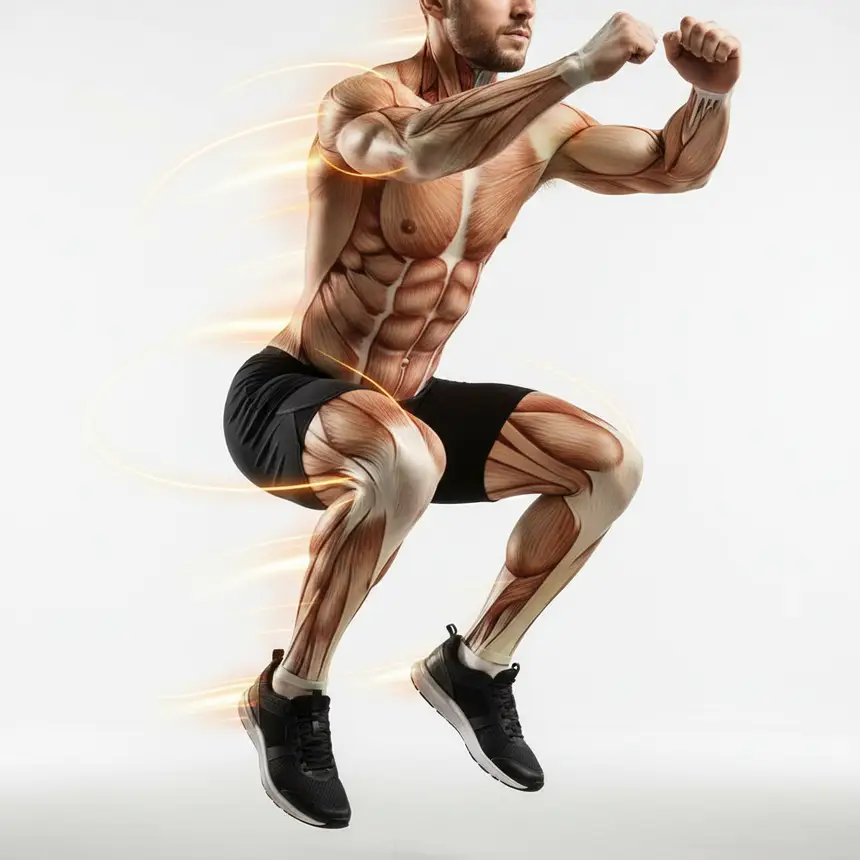
Dive into the world of cycling with our comprehensive guide! Discover how to make your rides more effective, enjoyable, and sustainable for lasting fitness and well-being.

Why Is It So Hard to Stick With Your Cycling Routine?
Many individuals embark on a cycling journey with great enthusiasm, aiming for improved health and fitness. However, maintaining consistency often proves to be a significant challenge. Starting with an overly ambitious intensity or choosing a cycling style that doesn't align with personal preferences can quickly lead to burnout and disinterest. Discomfort or pain from incorrect posture, alongside the monotony of a repetitive workout, are common deterrents. Without a well-structured plan, simply riding without purpose can lead to unmet expectations and, eventually, abandonment of the exercise. Overcoming these hurdles is key to transforming cycling into an enjoyable and sustainable part of your daily life.

Exploring Diverse Cycling Styles and Optimizing Your Workout Schedule
One of cycling's most appealing aspects is its versatility, offering numerous options to suit individual tastes and fitness goals. Indoor cycling classes, or spinning, provide an energetic group environment guided by instructors and set to music, making the workout engaging and fun. However, it's crucial to adjust the intensity to match your personal fitness level. Road cycling offers the joy of outdoor scenery and fresh air, but requires vigilance regarding traffic and mandatory safety gear. Mountain biking, on the other hand, delivers an exhilarating challenge on varied terrains, though beginners should start with less demanding trails. Experimenting with different types of cycling is often the secret to finding a method you genuinely enjoy and can stick with.
Setting realistic workout durations is equally important. For newcomers, beginning with 20 to 30-minute sessions allows the body to adapt gradually. Progressively extending your ride time, aiming for at least 30 minutes, maximizes cardiovascular benefits. For instance, you might add 5 minutes to your session each week, eventually targeting 45 to 60 minutes. Post-exercise recovery is vital; allowing 24 to 48 hours for muscle repair is ideal. Adequate rest periods are essential for maintaining good performance in subsequent workouts and preventing potential injuries.
Setting realistic workout durations is equally important. For newcomers, beginning with 20 to 30-minute sessions allows the body to adapt gradually. Progressively extending your ride time, aiming for at least 30 minutes, maximizes cardiovascular benefits. For instance, you might add 5 minutes to your session each week, eventually targeting 45 to 60 minutes. Post-exercise recovery is vital; allowing 24 to 48 hours for muscle repair is ideal. Adequate rest periods are essential for maintaining good performance in subsequent workouts and preventing potential injuries.
※ This post contains affiliate links. I may earn a commission at no extra cost to you.


Maximizing Your Cycling Benefits: Practical Strategies and Key Precautions
To truly reap the benefits of cycling, adhering to a few core principles is essential. First, proper posture is non-negotiable. Adjust your saddle height and handlebar position to ensure comfort and prevent strain on your back and knees. Avoid hunching your back or leaning too far forward; instead, engage your core muscles to keep your upper body stable. Second, prioritize hydration and short breaks during your rides. Especially during longer sessions, regular water intake and brief rest stops are crucial to prevent dehydration and manage fatigue.
Third, cultivate the habit of tracking your progress. Logging your distance and duration after each ride provides a clear overview of your improvements, which serves as a powerful motivator. Setting specific weekly goals, like 'ride 60 miles this week,' can enhance your sense of accomplishment. Finally, adopt a balanced diet and set realistic expectations. Instead of extreme calorie restriction, focus on nutrient-dense meals rich in protein, carbohydrates, and healthy fats to fuel your workouts and support muscle recovery. Prioritizing consistency and overall health improvements over instant results is key to building a sustainable and enjoyable cycling habit for long-term well-being.
Third, cultivate the habit of tracking your progress. Logging your distance and duration after each ride provides a clear overview of your improvements, which serves as a powerful motivator. Setting specific weekly goals, like 'ride 60 miles this week,' can enhance your sense of accomplishment. Finally, adopt a balanced diet and set realistic expectations. Instead of extreme calorie restriction, focus on nutrient-dense meals rich in protein, carbohydrates, and healthy fats to fuel your workouts and support muscle recovery. Prioritizing consistency and overall health improvements over instant results is key to building a sustainable and enjoyable cycling habit for long-term well-being.
Frequently Asked Questions
Q. How should a beginner start cycling for fitness?
A. Begin in a controlled environment, such as on a stationary bike or in a spinning class. Start with shorter sessions, around 20-30 minutes, allowing your body to adapt. Gradually increase the duration and intensity as you get fitter. Consistency is the most important factor.
Q. What causes lower back pain during cycling, and how can I prevent it?
A. Lower back pain often stems from incorrect bike setup or poor posture. Ensure your saddle height, fore-aft position, and handlebar height/reach are adjusted to fit your body. Strengthening your core muscles and maintaining a straight back with engaged abs while riding can significantly help prevent pain.
Q. Is indoor cycling or outdoor biking better for overall fitness?
A. Both are excellent forms of exercise with distinct advantages. Indoor cycling offers a consistent workout regardless of weather and often includes instructor guidance. Outdoor biking allows you to enjoy diverse scenery and terrains, improving real-world riding skills. You can alternate between them or choose based on your preferences and goals.
Q. Can I lose weight effectively just by cycling?
A. Cycling is a fantastic cardiovascular exercise that burns calories and aids in weight loss. However, for effective and sustainable weight management, it must be combined with a balanced and nutritious diet. Focus on well-rounded meals rather than overly restrictive eating patterns.
Q. How important is recovery after cycling, and what does it involve?
A. Recovery is crucial for muscle growth, injury prevention, and overall performance. Ideally, allow 24-48 hours of rest between intense sessions. Adequate sleep, nutrient-rich meals, and light stretching are effective ways to support your body's recovery process.