Discover essential calf exercises to boost your long-distance running performance and manage chronic lower leg swelling. Learn proper form and effective routines to build stronger, more resilient legs. A must-read for runners and fitness enthusiasts looking to optimize their lower body strength.

H2. The Unsung Hero: Why Your Calves are Key to Endless Stamina
Imagine you're a dedicated runner, pushing through miles, feeling your lungs and heart are ready for more, but your lower legs are screaming. That heavy, tight, almost bursting sensation in your calves limits your pace and endurance, leaving you frustrated. Many athletes, just like you, hit a wall not due to cardio, but because their often-neglected calf muscles can't keep up. This isn't just about speed; it's also about recovery. Waking up to swollen, heavy legs after a long run can derail your entire day. What if the solution to breaking through performance plateaus and managing post-exercise swelling lies in giving a little more attention to these powerful, yet frequently overlooked, muscles? Today, we'll dive deep into how strengthening your lower leg muscles can transform your running, enhance overall athletic performance, and effectively combat that pesky leg swelling.

H2. More Than Just Show: Understanding Your Calf Muscles
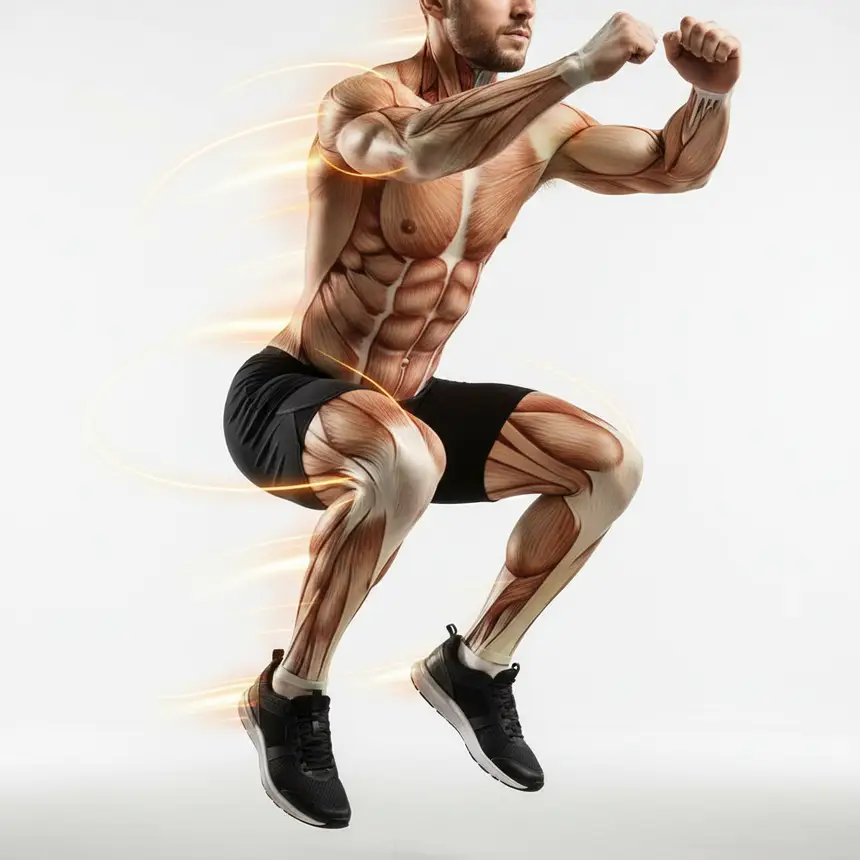
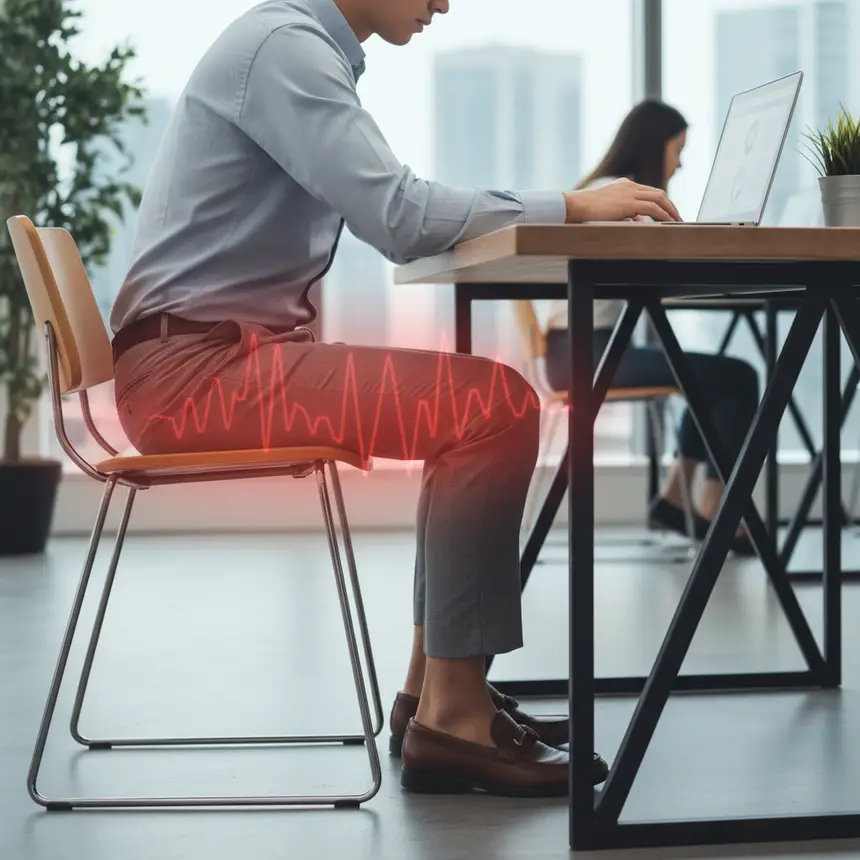
The calf region is composed of two primary muscles, each playing a crucial role in lower body function. The gastrocnemius, the larger, more superficial muscle, extends above the knee and is primarily responsible for explosive power, like sprinting or jumping. Deeper within lies the soleus, which is critical for ankle stability and endurance, enabling you to maintain activity for extended periods. Together, these muscles perform plantarflexion, the downward movement of your foot, and, more importantly, act as a vital 'muscle pump.' They work against gravity to push deoxygenated blood from your lower extremities back up to your heart. When these muscles are weak or underused, this pumping action becomes inefficient, leading to poor circulation, which manifests as swelling and a feeling of heaviness after prolonged standing or intense exercise. Recognizing and actively training these muscles is foundational for true lower body strength and overall circulatory health.
※ This post contains affiliate links. I may earn a commission at no extra cost to you.


H2. Master the Movement: Perfecting Lower Leg Strengthening Exercises
To effectively build strength in your lower legs, focusing on proper execution of plantarflexion exercises is paramount. Let's break down the essential steps for optimal results:
1. Foot Positioning: Place only the balls of your feet on an elevated surface, like a step or a weight plate, allowing your heels to hang freely.
2. Body Alignment: Lightly hold onto a stable support for balance. Ensure your knees and hips are stacked directly above your ankles, maintaining a straight, upright posture. Your body's centerline should be vertical.
3. Controlled Ascent: Drive through your big toes, raising your body as high as possible. Pause for 1-2 seconds at the very top to feel a strong contraction in your gastrocnemius.
4. Slow Descent: Slowly and with control, lower your heels as far down as they can go. This deep stretch and eccentric contraction is crucial for engaging the soleus and strengthening the Achilles tendon.
These exercises can be performed standing or seated. Standing variations primarily target the gastrocnemius, ideal for explosive power. Seated variations, with bent knees, isolate the soleus, which is excellent for improving ankle stability and endurance. Incorporating these into your routine, especially after runs or during leg day cool-downs, can significantly aid in managing leg swelling.
1. Foot Positioning: Place only the balls of your feet on an elevated surface, like a step or a weight plate, allowing your heels to hang freely.
2. Body Alignment: Lightly hold onto a stable support for balance. Ensure your knees and hips are stacked directly above your ankles, maintaining a straight, upright posture. Your body's centerline should be vertical.
3. Controlled Ascent: Drive through your big toes, raising your body as high as possible. Pause for 1-2 seconds at the very top to feel a strong contraction in your gastrocnemius.
4. Slow Descent: Slowly and with control, lower your heels as far down as they can go. This deep stretch and eccentric contraction is crucial for engaging the soleus and strengthening the Achilles tendon.
These exercises can be performed standing or seated. Standing variations primarily target the gastrocnemius, ideal for explosive power. Seated variations, with bent knees, isolate the soleus, which is excellent for improving ankle stability and endurance. Incorporating these into your routine, especially after runs or during leg day cool-downs, can significantly aid in managing leg swelling.

H2. Integrating Into Your Routine: Unleashing Performance Benefits
Now, let's talk about weaving this crucial lower-leg work into your existing fitness regimen. For beginners, start with bodyweight repetitions, aiming for 15-20 reps per set, 2-3 times a week. A great time to do this is as part of your cool-down after a run or at the end of a leg workout. As you get stronger, progressively add resistance by holding dumbbells or using a barbell on your shoulders. The key isn't just counting reps; it's about pushing until you feel a significant burn and muscle fatigue, indicating adequate stimulation. Focus on the quality of each contraction and full range of motion, not just hitting a number.
Consistent effort in these exercises can lead to remarkable improvements:
Remember, consistency with correct form is your most powerful tool for unlocking these benefits.
Consistent effort in these exercises can lead to remarkable improvements:
- Enhanced Running Economy: Stronger calf muscles allow for more efficient ground contact and propulsion, potentially leading to faster paces and less effort. Some athletes report shaving significant seconds off their 5k times and experiencing lower heart rates at comparable paces.
- Improved Lower Body Stability: Strengthening the ankle and calf muscles provides a more stable base for compound movements like squats and deadlifts, reducing instability in the bottom phase and improving overall force transfer.
- Reduced Swelling and Fatigue: By boosting the muscle pump action, you'll experience less post-activity leg swelling and a quicker recovery, leaving you feeling fresher for your next workout.
Remember, consistency with correct form is your most powerful tool for unlocking these benefits.

H2. A Small Investment for Major Gains: Empower Your Legs
The calf muscles are often an afterthought compared to the glamorous quads, hamstrings, or chest. However, as we've explored, these muscles are fundamental to every step you take, every run, and every squat. They're not called the 'second heart' for nothing. Neglecting them can undermine your entire training effort, no matter how perfectly designed your other workouts are. It's time to give your calves the dedicated attention they deserve in your training plan. A small, consistent investment in strengthening these muscles will pay massive dividends in the form of tireless legs, improved athletic performance, and better daily comfort. Start incorporating these targeted exercises today, focusing on proper form, and experience the transformative power of strong, resilient lower legs. Your body will thank you with every powerful stride.
Frequently Asked Questions
Q. How do calf muscles impact my running performance?
A. Calf muscles, especially the gastrocnemius and soleus, provide crucial propulsion during your stride and maintain ankle stability. Stronger calves enable more efficient ground reaction force, allowing for longer strides and faster paces, while also reducing fatigue during long-distance runs.
Q. What's the difference between standing and seated calf raises?
A. Standing calf raises primarily target the gastrocnemius, beneficial for explosive power and muscle size. Seated calf raises, with bent knees, isolate the soleus, which is more effective for improving ankle stability, muscular endurance, and Achilles tendon strength. Incorporating both is recommended for comprehensive development.
Q. Can calf exercises really help reduce leg swelling?
A. Absolutely. Calf muscles act as a 'muscle pump,' playing a vital role in pushing blood and fluid from your lower legs back towards your heart. When this pump is weak, fluid can pool, leading to swelling. Consistent calf exercises strengthen this function, effectively preventing and managing lower leg edema.
Q. How often should I train my calves and at what intensity?
A. Aim for 2-3 times per week, integrating them after other leg workouts or as part of your post-run cool-down. Start with bodyweight, performing 15-20 reps per set, then gradually add weight or increase reps. The key is to focus on proper form and reaching a point of significant muscle stimulation and fatigue, rather than just hitting a number.