Transform your lower body and boost overall strength with just 10 minutes of daily squats. Learn the proper squat technique and essential safety tips to ensure an effective, injury-free workout.

Small Investment, Big Rewards: The Transformative Power of Daily Squats
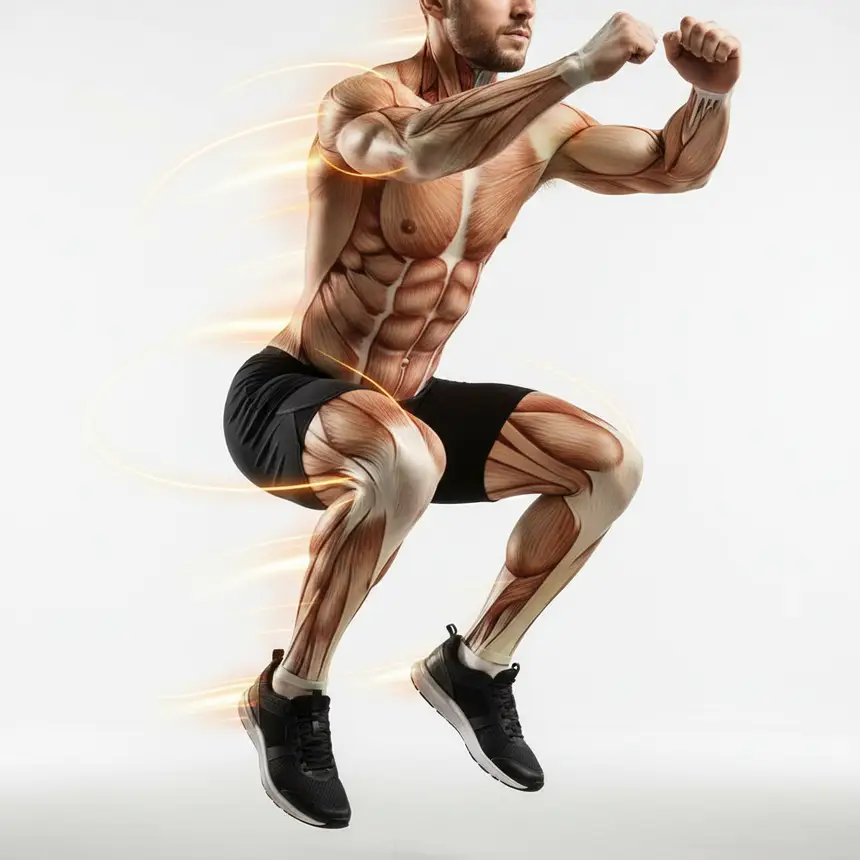
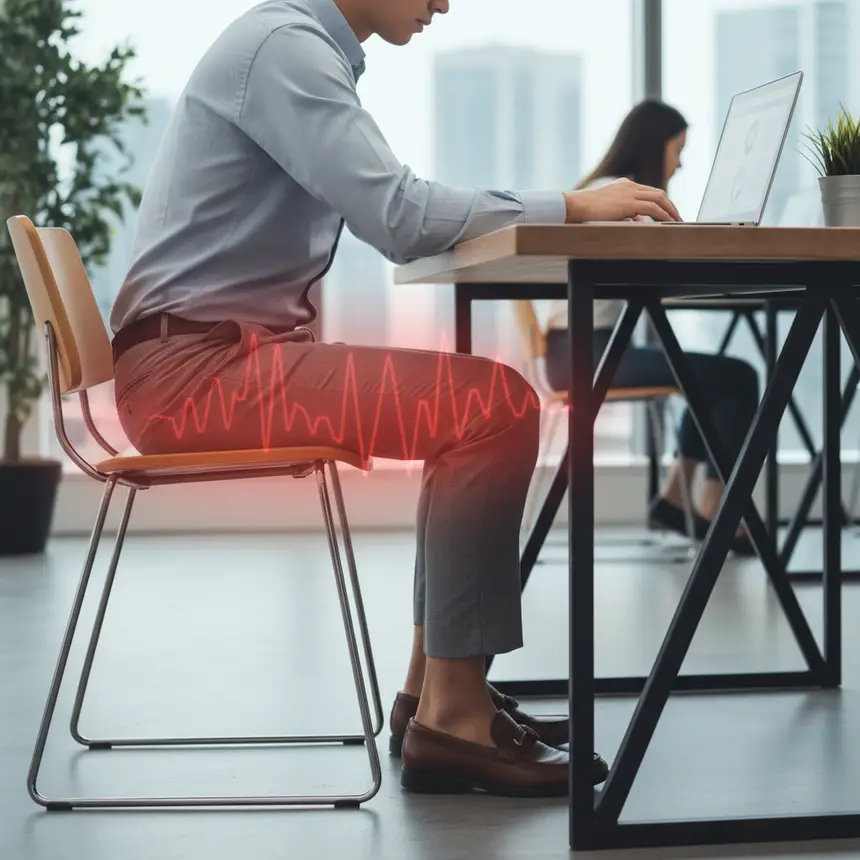
Just 10 minutes a day dedicated to squats can unleash a remarkable transformation in your lower body and overall well-being. Imagine sculpted thighs, firm glutes, and a visibly improved physique – these are just some of the aesthetic benefits. Squats are highly efficient, burning approximately 50-100 calories per session, depending on your body weight. This calorie expenditure significantly aids in fat reduction, contributing to a leaner, more toned body over time. By engaging major lower body muscles like the quadriceps, hamstrings, and glutes, squats effectively boost your basal metabolic rate, which helps manage weight more effortlessly. Beyond aesthetics, enhanced lower body strength translates to smoother daily movements, making walking or climbing stairs feel much easier. It also significantly reduces the risk of injury during other physical activities. As a compound exercise, squats also engage your core muscles (abs and lower back), leading to improved balance, stability, and pelvic alignment. For those who spend long hours sitting or experience slight postural imbalances, regular squats can even encourage better spinal alignment. Clearly, squats are far more than just a leg exercise; they offer a holistic approach to fitness with wide-ranging positive impacts on your entire body.

Mastering the Squat: A Step-by-Step Guide to Perfect Form
To truly harness the incredible benefits of squats, impeccable form is non-negotiable. Incorrect technique not only diminishes the exercise's effectiveness but also increases your risk of injury. Follow this step-by-step guide to nail your squat form:
- Stance and Gaze: Stand with your feet roughly shoulder-width apart, toes pointing slightly outward. Keep your gaze straight ahead, chest up, and maintain a neutral spine.
- The Descent: Initiate the movement by pushing your hips back as if you're sitting into a chair, then slowly bend your knees. Crucially, ensure your knees do not track past your toes; instead, keep them aligned with your feet, preventing them from caving inward or flaring outward. Brace your core tightly to keep your back from rounding or arching excessively. Aim to lower your hips until your thighs are parallel to the floor, or even slightly lower if your mobility allows.
- Foot Contact: Throughout the entire movement, keep your entire foot firmly pressed into the ground. Lifting your heels compromises stability, increasing injury risk and disrupting core engagement.
- The Ascent: Drive through your heels to push yourself back up to the starting position. Avoid locking your knees at the top; maintain a slight bend. Practicing in front of a mirror is highly recommended to visually assess and correct your form in real-time.
※ This post contains affiliate links. I may earn a commission at no extra cost to you.


Squat Safely, Squat Smart: Essential Tips and Who Should Be Squatting
For a safe and sustainable squat routine, adherence to certain precautions is key. First, always incorporate proper warm-up and cool-down stretches. Targeting hip flexors and hamstrings specifically can significantly improve your range of motion and reduce injury potential. Second, begin with an intensity level that matches your current fitness, then gradually increase volume and load. Starting too aggressively can lead to strain and counterproductive results. Third, if you experience any pain, sharp discomfort, or numbness during your squats, stop immediately and rest. Persistent discomfort, especially in the knees or shoulders, indicates improper form or overexertion, and professional advice should be sought. Lastly, make it a habit to check your form in a mirror. This self-correction allows you to identify issues like knees tracking too far forward or a rounded back, enabling you to adjust in real-time. Squats require no special equipment, making them accessible anywhere, anytime. They are highly recommended for office workers who sit for extended periods, anyone feeling the effects of a sedentary lifestyle, or individuals looking to simultaneously boost lower body strength and core stability. It's a fundamental movement that benefits nearly everyone.
Frequently Asked Questions
Q. Should I squat every day?
A. While squats can be performed daily, beginners might benefit from allowing muscle recovery time, aiming for 3-4 times a week initially and gradually increasing frequency. Listening to your body's signals is crucial for optimal results.
Q. Is it okay to squat if I have knee pain?
A. If you're experiencing knee pain, it's generally best to avoid pushing through it with squats. Identify the cause of the pain, and if necessary, consult a professional. You might consider modifying the range of motion, reducing intensity, or substituting with other lower-body exercises that don't aggravate your knee.
Q. How deep should I squat?
A. Ideally, you want to squat until your thighs are parallel to the floor (approximately a 90-degree bend at the knee). However, always prioritize good form over depth. Go as deep as your flexibility and physical condition comfortably allow without compromising technique.
Q. Can squats alone build sufficient leg strength?
A. Squats are an incredibly effective compound exercise for overall lower body strength. However, for more comprehensive development or to target specific muscle groups more intensely, incorporating other exercises like lunges, deadlifts, or leg presses can be beneficial.