Struggling with rounded shoulders and back pain from prolonged poor posture? Discover effective stretching techniques to improve your posture and regain vitality. Learn practical exercises and daily tips for a healthier spine.

The Silent Ache of Modern Life: Is Your Posture Suffering?
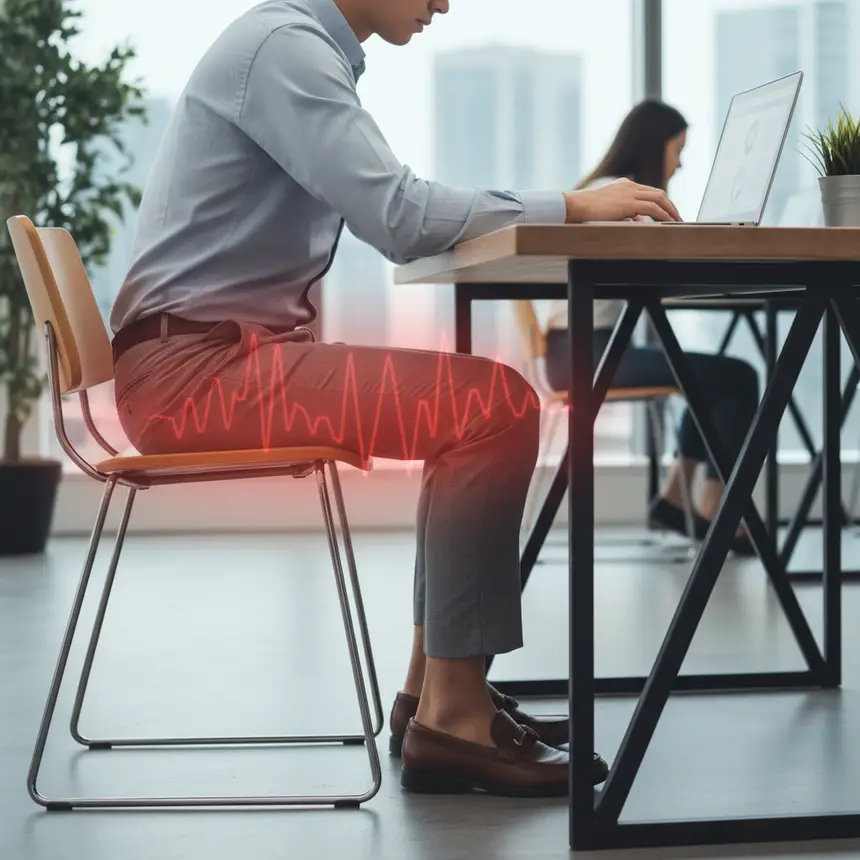
In our screen-dominated world, it's hard to avoid slouching. Hours spent hunched over laptops, peering down at smartphones, or simply sitting at a desk can subtly reshape our bodies. Before we know it, shoulders start to round forward, necks jut out like a turtle's, and stiffness becomes a daily companion. That persistent ache in the neck, the heavy feeling in the shoulders, and the nagging discomfort in the lower back are now all too familiar for many. This postural imbalance isn't just about minor discomfort; it can significantly impact our overall health and vitality.
The Hidden Costs of Poor Posture on Your Body
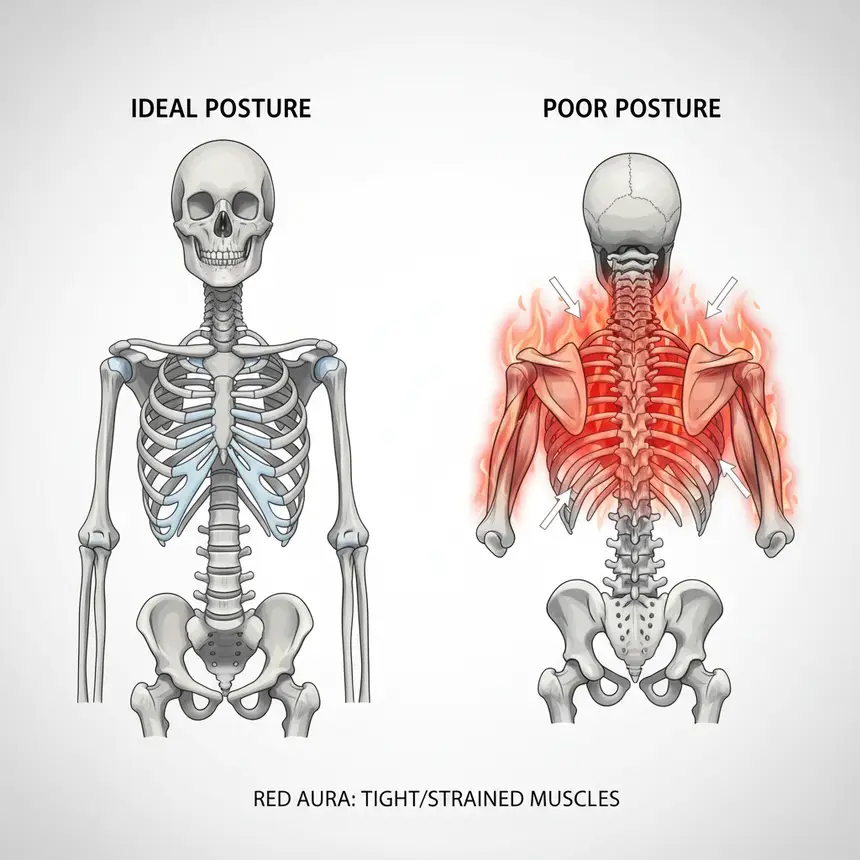
Prolonged periods of poor posture lead to significant imbalances in our musculoskeletal system. Specifically, rounded shoulders cause chest muscles to shorten and back muscles to weaken, limiting shoulder joint mobility. This can lead to shoulder pain and difficulty with overhead movements. Furthermore, forward head posture places excessive strain on the cervical spine, often resulting in headaches, neck stiffness, and even arm numbness. The lower back is not immune; a slouched posture disrupts the spine's natural S-curve, increasing the need for lower back stretches and contributing to chronic back pain. These postural issues aren't just cosmetic; they can even affect breathing capacity and digestion, underscoring the critical need for proactive posture improvement.
※ This post contains affiliate links. I may earn a commission at no extra cost to you.

Key Stretches to Combat Rounded Shoulders and Back Discomfort
Correcting rounded shoulders and performing effective lower back stretches are the first steps toward resolving chronic postural problems. Here are a few simple exercises you can do at home:
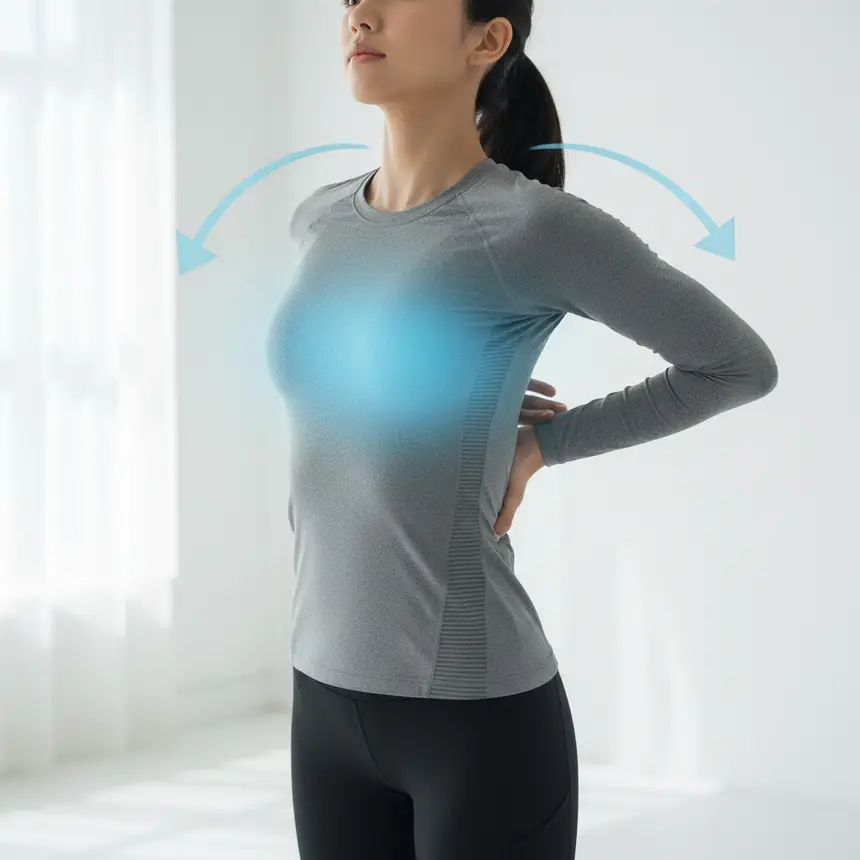
- 1. Chest Opener: Interlace your fingers behind your back and gently straighten your arms, lifting them slightly. Focus on opening your chest and broadening your collarbones.
- 2. Posterior Shoulder Stretch: Bring one arm across your body towards the opposite shoulder. Use your other hand to gently press on the elbow, feeling the stretch in the back of your shoulder and tricep.
- 3. Spinal Extension Stretch: Lie face down on the floor, place your hands on the floor near your shoulders, and slowly lift your upper body. Keep your hips on the floor and feel your lower back and abdomen lengthen.
- 4. Cat-Cow Pose: Start on your hands and knees. As you inhale, drop your belly towards the floor and lift your gaze (Cow). As you exhale, round your spine towards the ceiling and tuck your chin (Cat). This movement enhances spinal flexibility and is excellent for lower back stretching.
Building Better Posture: Consistency is Your Key to Success
Achieving corrected rounded shoulders and effective lower back relief isn't an overnight fix; consistent, daily practice is paramount.
- 1. Dedicate Regular Time: Set aside 10-15 minutes each day for your stretching routine. Mornings, before bed, or even a quick session during your lunch break can make a difference.
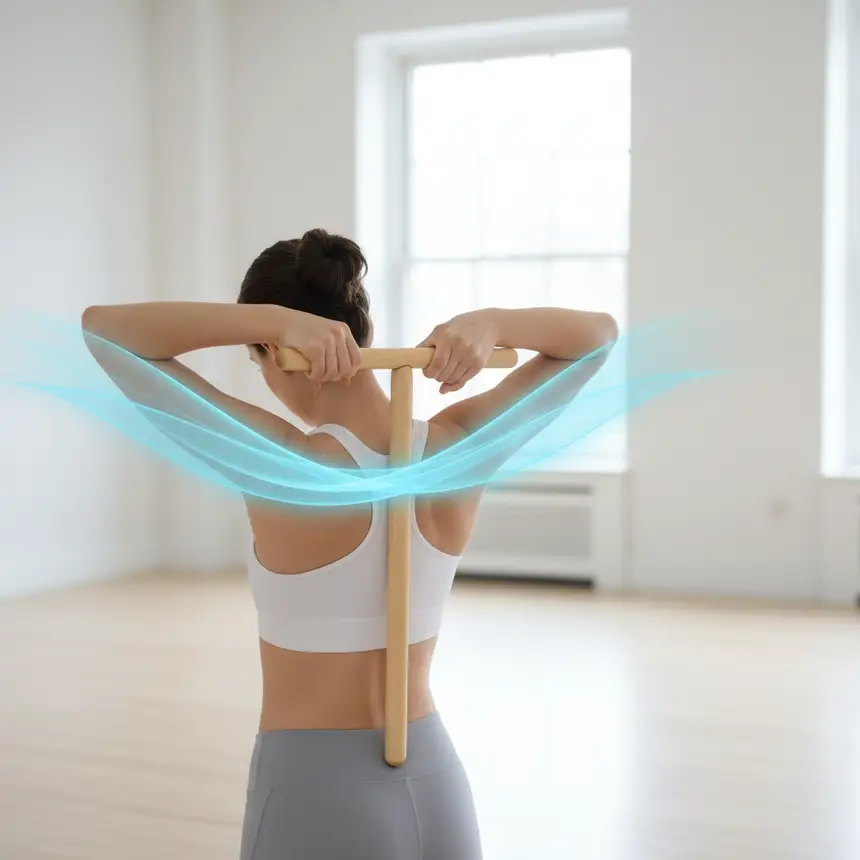
- 2. Utilize Support Tools: Simple tools like yoga sticks, resistance bands, or foam rollers can deepen your stretches and target specific areas. Cross-shaped stretching aids, for example, can provide support from the neck down to the lower back, enhancing the stretch's effectiveness.
- 3. Cultivate Posture Awareness: Throughout your day, consciously check your posture when sitting or standing. Aim to gently pull your shoulders back, open your chest, engage your core slightly, and lengthen your spine. This mindful practice is crucial.
- 4. Stretch Within Comfort: Always stretch gently and within a pain-free range. Forcing a stretch can lead to injury. Only consistent and mindful practice truly leads to lasting posture improvement.
Invest in Your Well-being: The Power of Good Posture
The pervasive issues of rounded shoulders and back pain in modern life are more than just nuisances; they can significantly diminish our quality of life. However, consistent lower back stretching and dedicated efforts to improve posture can help overcome these challenges and restore vitality to your daily routine. Start by incorporating the stretches introduced today, and begin building small habits of self-awareness regarding your posture. While it might feel awkward or challenging at first, over time, you'll notice positive changes in your body, leading to a healthier, more confident you. Don't wait—start giving your spine and shoulders the rest they deserve today, and prepare to embrace a more energetic tomorrow.
Frequently Asked Questions
Q. Why does my posture seem to worsen as I get older?
A. As we age, muscle strength and flexibility naturally decrease. Additionally, poor postural habits accumulated over years can become more pronounced. Regular strength training and stretching can help mitigate these effects.
Q. What's the most effective stretch for correcting rounded shoulders?
A. The most effective stretches for rounded shoulders focus on lengthening chest muscles and strengthening back muscles. Chest-opening stretches against a wall and exercises that encourage squeezing your shoulder blades together are particularly beneficial.
Q. How often should I stretch to relieve back pain?
A. To alleviate back pain, consistent daily stretching is highly recommended. Even short sessions, around 10 minutes, can significantly help maintain spinal flexibility and reduce discomfort over time.
Q. Can stretching alone completely fix my posture?
A. While stretching plays a crucial role in posture correction, complete improvement often requires a multi-faceted approach. This includes strengthening weakened muscles, and consciously maintaining good posture throughout daily activities, not just stretching.
Q. What should I consider when choosing a posture correction tool?
A. When selecting a posture aid, ensure it's adjustable to fit your body height and type. Use it within a comfortable, pain-free range, and always familiarize yourself with the product's instructions to prevent injury and maximize benefits.