Discover effective knee management to reduce discomfort around the patella during running and lower body workouts. Learn how proper knee support can enhance your exercise performance safely.

Enhanced Comfort and Performance: The Role of Patellar Support
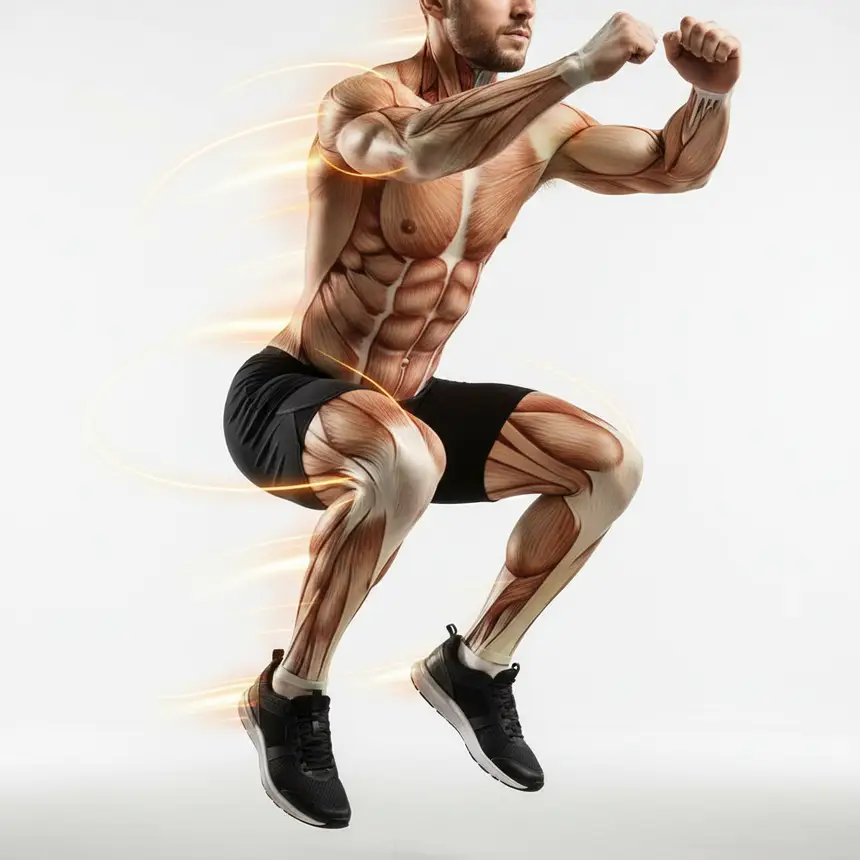
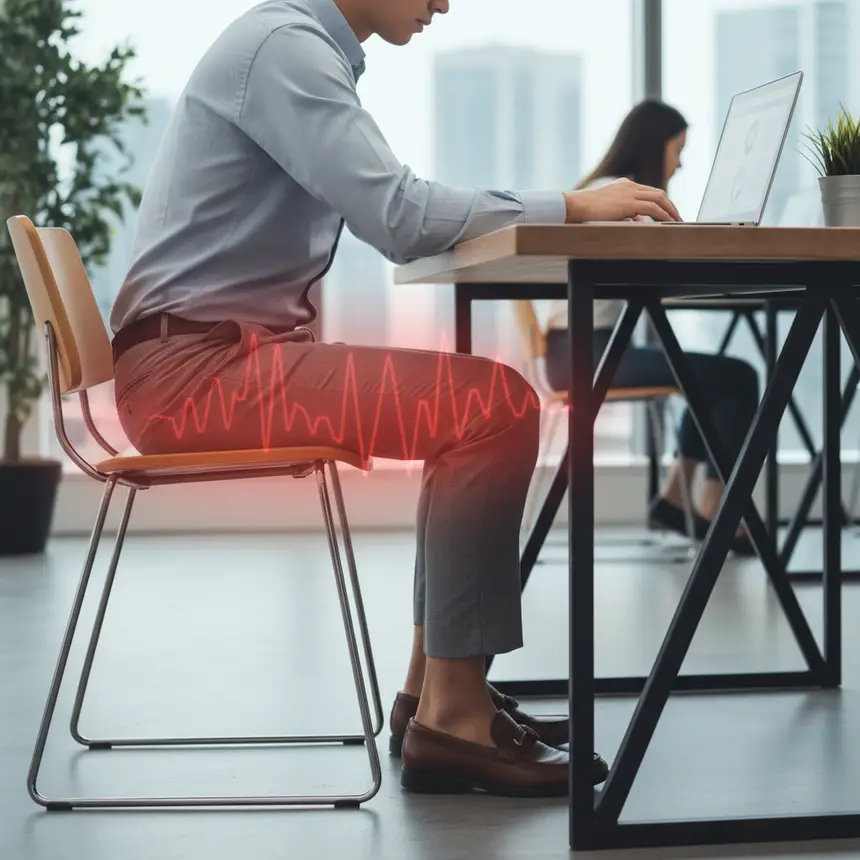
Engaging in regular running and dynamic lower body exercises is a cornerstone of a healthy lifestyle. Yet, many of us are familiar with the dull ache or sharp twinge in the knees that often follows a strenuous workout. Specifically, discomfort around the patella, or kneecap, tends to become more pronounced during the impact of running or the bending and straightening motions of strength training. This can unfortunately dampen your enthusiasm for exercise and make it challenging to maintain a consistent routine. Strategic knee support goes beyond simply easing immediate discomfort. It provides a crucial sense of stability during activity, assists in maintaining proper alignment, and ultimately boosts your exercise efficiency. By stabilizing the patellar area, you can facilitate a smoother recovery process post-workout, reducing anxiety about your next session. This proactive approach lays the groundwork for a more consistent and injury-aware fitness journey.

Managing Knee Stress Across Different Exercise Regimens
High-impact cardiovascular activities like running place repetitive stress on your knee joints. With each foot strike, your knees, particularly the area surrounding the patella, can absorb forces equivalent to several times your body weight. This stress intensifies when you pick up speed or tackle an incline. Similarly, during strength training exercises such as squats and lunges, the depth of your knee bend and the number of repetitions directly influence the pressure exerted on your kneecap. This is where appropriate knee support can make a significant difference. It works by providing stable compression around the patella, helping to distribute impact forces and pressure more evenly. By acting as a shock absorber and minimizing unwanted knee movement, it helps improve focus during your workout and reduces strain from improper form. Knee supports that allow for adjustable compression are particularly beneficial, as they can adapt to varying exercise intensities and individual needs, offering versatile aid.
※ This post contains affiliate links. I may earn a commission at no extra cost to you.


Choosing and Using Your Patellar Support Wisely
To maximize the benefits of a knee support, correct selection and application are key. First, ensure you choose a size that accurately matches your knee circumference; a fit that's too loose won't provide adequate support, while one that's too tight can impede circulation. Second, opt for a design that primarily focuses on supporting the patellar region without restricting your overall range of motion. Designs that target localized pressure around the kneecap are often more effective than those that merely wrap the entire knee. Third, look for features that allow for adjustable compression. Whether it’s a dial, straps, or Velcro, being able to fine-tune the tightness according to your activity and intensity is invaluable for finding your optimal comfort level. When putting it on, carefully position the support so your kneecap is centered, and avoid over-tightening initially. Start with a moderate fit, perform a few warm-up movements to gauge comfort and placement, and then gradually adjust the compression until you find the most supportive yet comfortable setting for your workout.

Smart Use of Knee Support for Long-Term Knee Health
It’s crucial to remember that a knee support is an assistive tool for exercise, not a magical cure for underlying knee issues. Relying solely on a support without addressing proper exercise form and strengthening surrounding muscles is not ideal. If you experience persistent or worsening pain even with the support, it’s imperative to stop your activity immediately and consult a healthcare professional. Should you develop any discomfort or skin irritation from wearing the support, discontinue use and investigate the cause. By keeping these considerations in mind, you can utilize knee support effectively.
This type of knee support can be particularly beneficial for:
This type of knee support can be particularly beneficial for:
- Individuals who run regularly, three or more times a week.
- Anyone experiencing instability or discomfort in the front of their knee during strength exercises like squats and lunges.
- Those who frequently feel knee fatigue after long walks or hikes.
- Athletes engaging in activities that involve repetitive, high-impact stress on the knees, such as interval training.
Frequently Asked Questions
Q. When is the best time to wear a knee support?
A. It's most effective to wear knee support before and during activities that place stress on your knees. This includes running, lower body strength training, and extended periods of walking or hiking, where continuous impact or pressure on the knee joint occurs. For daily life, it's generally best to wear it only when needed, rather than for prolonged periods.
Q. What are the key precautions when using a patellar knee support?
A. First, avoid overtightening to prevent restricting blood circulation. Second, maintain hygiene in the area directly in contact with the support to prevent skin irritation. Third, complement its use with muscle strengthening exercises and correct form, rather than relying solely on the support. Finally, if pain persists, consult a healthcare professional.
Q. Can knee support completely resolve all types of knee pain?
A. Knee support is an aid designed to alleviate discomfort and stabilize the knee during activity. It cannot resolve all types of knee pain, nor does it address underlying causes. If you experience chronic pain or significant discomfort, it is crucial to seek a diagnosis from a medical professional.