If your muscle growth is stagnant despite intense workouts, it's time to re-evaluate your diet strategy. Discover essential macronutrient ratios, optimal meal timing, and hydration tips to maximize your workout results and achieve your muscle-building goals.

Why Your Muscle Growth Might Be Stalling Despite Hard Workouts
Many dedicated individuals hit the gym consistently, pushing through challenging workout routines, only to feel frustrated by a lack of significant change in their physique. It's a common scenario: despite all the effort in resistance training, muscle mass doesn't increase as expected, or you feel stuck on a plateau. This can be disheartening, making you question your commitment to building muscle. While exercise undeniably acts as the crucial trigger for muscle development, it represents only half of the equation. The actual process of muscle building and strengthening occurs during the body's recovery and rebuilding phase after a workout. The primary fuel for this intricate process? Your diet. Expecting substantial muscle growth without proper nutrition is akin to trying to build a robust house without the necessary materials. It's time to fit that missing puzzle piece—your dietary habits—to ensure your hard work truly pays off.
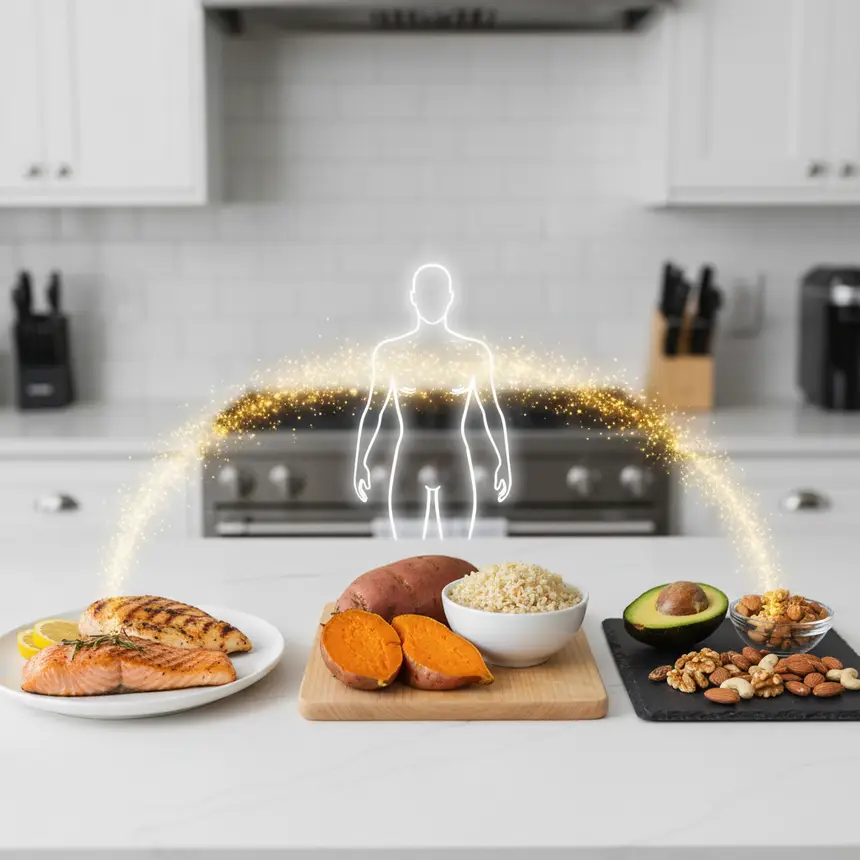
Essential Nutrients and Strategic Timing for Muscle Hypertrophy
Achieving significant muscle growth demands more than just strenuous workouts; it requires a scientific approach to your daily nutrition. The types, quantities, and timing of nutrient intake critically influence muscle development. Your diet plays a pivotal role in supplying the energy your body needs to synthesize and repair muscle tissue, while also maintaining vital hormonal balance.
1. Protein: The Building Blocks of Muscle
Protein is the fundamental material for repairing muscle fibers damaged during exercise and rebuilding them bigger and stronger. Adequate protein intake is crucial for elevating muscle protein synthesis and preventing muscle breakdown. A general recommendation is to consume between 1.6 to 2.2 grams of protein per kilogram of body weight daily. Aim to distribute this intake across your meals, getting 20-30 grams per serving, and incorporate healthy protein-rich snacks like hard-boiled eggs or Greek yogurt to avoid long periods of fasting.
2. Carbohydrates: Your Primary Energy Source
Carbohydrates serve as the main fuel source for your muscles during exercise. A deficiency in carbs can force your body to break down muscle protein for energy, increasing the risk of muscle loss. Target 3-6 grams per kilogram of body weight. Focus on complex carbohydrates such as sweet potatoes and brown rice for sustained energy release throughout the day. Immediately after a workout, a small amount of fast-absorbing simple carbohydrates, like a banana, can be beneficial for rapid energy replenishment.
3. Fats: Regulators of Hormonal Balance
Often misunderstood, fats are essential for the production of critical hormones like testosterone and growth hormone. Aim for healthy fats to make up 20-30% of your total daily caloric intake. Prioritize unsaturated fats found in avocados, nuts, olive oil, and fatty fish. Be mindful that excessively low-fat diets can lead to hormonal imbalances and increased fatigue.
4. Strategic Meal Timing
5. Hydration: Essential for Muscle Function
Approximately 75% of your muscle tissue is water, which is vital for nutrient transport, temperature regulation, joint lubrication, and overall bodily functions. Drink 2-3 liters of water daily, and consume an additional 500ml or more during exercise to prevent dehydration and maintain optimal muscle performance.
1. Protein: The Building Blocks of Muscle
Protein is the fundamental material for repairing muscle fibers damaged during exercise and rebuilding them bigger and stronger. Adequate protein intake is crucial for elevating muscle protein synthesis and preventing muscle breakdown. A general recommendation is to consume between 1.6 to 2.2 grams of protein per kilogram of body weight daily. Aim to distribute this intake across your meals, getting 20-30 grams per serving, and incorporate healthy protein-rich snacks like hard-boiled eggs or Greek yogurt to avoid long periods of fasting.
2. Carbohydrates: Your Primary Energy Source
Carbohydrates serve as the main fuel source for your muscles during exercise. A deficiency in carbs can force your body to break down muscle protein for energy, increasing the risk of muscle loss. Target 3-6 grams per kilogram of body weight. Focus on complex carbohydrates such as sweet potatoes and brown rice for sustained energy release throughout the day. Immediately after a workout, a small amount of fast-absorbing simple carbohydrates, like a banana, can be beneficial for rapid energy replenishment.
3. Fats: Regulators of Hormonal Balance
Often misunderstood, fats are essential for the production of critical hormones like testosterone and growth hormone. Aim for healthy fats to make up 20-30% of your total daily caloric intake. Prioritize unsaturated fats found in avocados, nuts, olive oil, and fatty fish. Be mindful that excessively low-fat diets can lead to hormonal imbalances and increased fatigue.
4. Strategic Meal Timing
- Pre-Workout (1-2 hours before): Consume a combination of complex carbohydrates and a small amount of protein to provide sustained energy throughout your training session (e.g., brown rice with chicken breast, sweet potato with eggs).
- Post-Workout (within 30-60 minutes): This is the 'golden window' for maximizing muscle synthesis. Opt for fast-absorbing protein combined with simple carbohydrates (e.g., a protein shake with a banana).
- Before Bed: Consuming slow-digesting proteins like casein can help prevent muscle breakdown during the night (e.g., milk, cottage cheese).
5. Hydration: Essential for Muscle Function
Approximately 75% of your muscle tissue is water, which is vital for nutrient transport, temperature regulation, joint lubrication, and overall bodily functions. Drink 2-3 liters of water daily, and consume an additional 500ml or more during exercise to prevent dehydration and maintain optimal muscle performance.
※ This post contains affiliate links. I may earn a commission at no extra cost to you.


Consistency is Key: Sustaining Your Muscle Growth Nutrition Plan
If your goal is to build strong, defined muscles, understanding and implementing a solid nutrition plan is just as crucial as your training regimen. Muscles are stimulated by training, but they grow through adequate nourishment and recovery. A balanced intake of protein, carbohydrates, and fats, coupled with strategic meal timing and sufficient hydration, forms the cornerstone of achieving your muscle growth aspirations. It's understandable if achieving perfection all at once feels overwhelming. Instead of attempting too many drastic changes at once, focus on making small, gradual improvements to your daily diet. For instance, try adding a lean protein source to every meal or choosing healthier snack options. Consistent effort and patience will ultimately lead to the muscle gains you desire. Start today by making your diet a powerful ally in your journey towards a stronger physique.
Frequently Asked Questions
Q. How many meals should I eat per day for optimal muscle growth?
A. It's generally recommended to consume 3 main meals supplemented with 1-2 healthy snacks, totaling 4-5 eating occasions per day. This helps provide a continuous supply of nutrients, promoting protein synthesis and preventing muscle breakdown.
Q. Can I still build muscle if I significantly cut down on carbs?
A. Carbohydrates are the primary fuel for your muscles. Severely restricting them can impair your workout performance and increase the risk of your body breaking down muscle protein for energy. Adequate carbohydrate intake is essential for effective muscle growth.
Q. Can a great diet build muscle without any exercise?
A. While diet provides the 'materials' for muscle growth, the 'signal' to grow comes from exercising your muscles. Therefore, to build muscle, a consistent resistance training program must be combined with proper nutritional management.
Q. What are some good snack options for muscle growth?
A. Ideal snacks for muscle growth should contain a good balance of protein, healthy fats, and complex carbohydrates. Good choices include hard-boiled eggs, Greek yogurt, a handful of nuts, or a protein shake blended with fruit.