Struggling with persistent lower body swelling, stiff hips, or pelvic discomfort? Discover practical strategies to restore healthy pelvic alignment and flexible hip joints for a more vibrant life.
Learn effective at-home exercises and stretches to optimize your lower body health.

Do You Secretly Struggle with Swollen Legs and Stiff Movements?
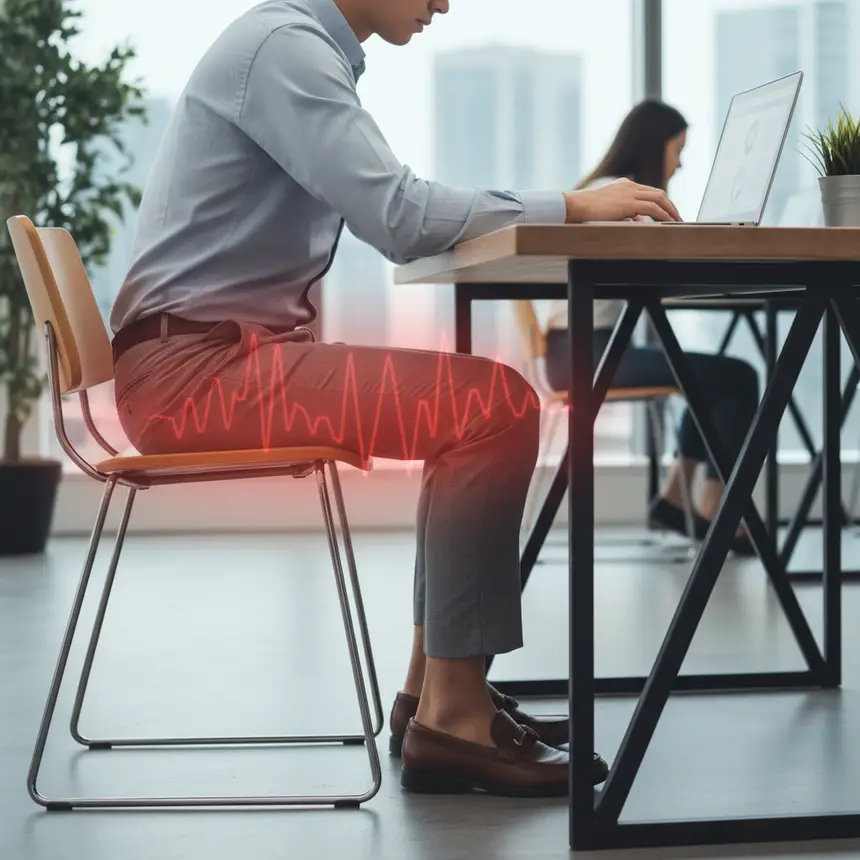
If you spend long hours sitting or standing, chances are you've experienced that familiar heaviness in your lower body, coupled with discomfort around your pelvis or hip joints. Perhaps your shoes feel tighter in the morning, your legs feel like tree trunks by evening, or crossing your legs has become your default comfortable position, while sitting cross-legged feels impossible. These seemingly minor annoyances can actually be signals that something is amiss with your pelvis and hip joints – crucial centers of your body's balance. Ignoring these signs might lead to more than just discomfort; they can affect your overall well-being. Today, we'll explore practical ways to tackle pelvic misalignment and limited hip mobility, which are often root causes of lower body swelling, and help you reclaim smooth, pain-free movement. Our goal is to empower you to break free from daily discomfort and embrace a lighter, more energetic life.

Unpacking the Roots of Persistent Lower Body Swelling and Hip Stiffness
Persistent lower body swelling and hip stiffness are often more complex than just poor circulation; they frequently stem from issues with your body's central foundation: the pelvis and hip joints. A sedentary lifestyle, involving prolonged sitting or standing, invariably shortens hip flexor muscles and weakens the glutes. This imbalance throws your entire pelvic alignment out of whack. Such misalignment then impedes healthy blood and lymphatic flow around the pelvis, leading to an accumulation of excess fluid in your lower limbs – what we commonly experience as swelling. Furthermore, a restricted range of motion in the hip joint forces surrounding muscles to compensate and become overly tense. This muscle tension can then radiate, contributing to discomfort in your knees or lower back. Think of it like a finely tuned machine where the gears are grinding instead of smoothly turning. Ultimately, many of these issues trace back to the subtle shifts in pelvic balance and the gradual stiffening of our hip joints, largely influenced by modern daily habits.
※ This post contains affiliate links. I may earn a commission at no extra cost to you.


Practical Strategies for a Healthy Pelvis and Flexible Hips
Restoring pelvic balance and hip flexibility requires a more nuanced approach than just generic stretching. Utilizing ergonomically designed support tools can be incredibly beneficial. For instance, devices that apply targeted pressure and guide pelvic movement can help release deep-seated muscle tension that's difficult to reach on your own. When used while seated on the floor, these tools gently stimulate the glutes, lower back, and sacral region, promoting better circulation and easing muscle tightness. Some tools are designed with an unstable base, which, as you move, actively engages the smaller stabilizing muscles around your pelvis, significantly enhancing your balance. If you find your knees don't touch the floor in a butterfly stretch, sitting on such a support tool and gently rocking your pelvis back and forth or side to side can make it easier to feel the internal movement of your hip joint, gradually expanding your range of motion. It's akin to lubricating a rusty door hinge, bringing fluid motion back to stiff joints. This guided movement helps alleviate tension around the hip joint, paving the way for more advanced movements like full leg splits.

Integrating Hip and Pelvic Care into Your Daily Routine
Maintaining a healthy pelvis and flexible hips is an ongoing journey that thrives on consistency. Here are some practical tips you can easily integrate into your everyday life:
- Utilize Downtime (e.g., during TV): After dinner, while winding down with your favorite show, incorporate your pelvic stretches using the support tool mentioned earlier. You don't need to carve out extra time; it naturally blends into your routine. Simply sitting on the tool and gently tilting your pelvis front-to-back or in small circles can make a significant difference.
- Consistency is King: Dedicate just 5-10 minutes daily. It's far more effective to engage in short, regular sessions than infrequent, overly strenuous ones. Consistency builds lasting flexibility and strength.
- Listen to Your Body: All exercises should be performed without pain. If you feel any discomfort or sharp pain during a stretch, stop immediately, adjust your position, or reduce the intensity. Moving gently within your body's current capabilities is paramount.
- Prioritize Good Posture: Make a conscious effort to maintain good posture when sitting or standing. Keep your spine erect and distribute your weight evenly across both sit bones.

Your Lower Body Health: It's Time for a Change
Today, we've explored how common issues like persistent lower body swelling and stiff hips are often deeply connected to pelvic misalignment. We also delved into the crucial role that precise hip movements, facilitated by ergonomic support tools, and consistent stretching play in resolving these problems. A healthy pelvis acts as the cornerstone of our body; when it's properly aligned, overall body balance improves, and lower body circulation becomes more efficient. Flexible hip joints, in turn, grant us freedom of movement in daily activities and enhance athletic performance. Rather than expecting instant, dramatic changes, the key lies in consistent, small investments you make each day. Instead of enduring discomfort, take proactive steps to care for your body by starting these small, positive habits. We hope you're ready to greet each new day with lighter, more energetic legs and a perfectly balanced body. Here's to your healthy movement!
Frequently Asked Questions
Q. What problems can arise from pelvic misalignment?
A. Pelvic misalignment can lead to lower back pain, hip discomfort, knee pain, and swelling in the lower body due to impaired circulation. It can also contribute to overall postural imbalances, affecting your neck and shoulders.
Q. How often should I do hip stretches for best results?
A. Performing hip stretches daily for short durations (5-10 minutes) is generally most effective. Consistency is key to maintaining flexibility in the muscles surrounding your hip joints, more so than infrequent, lengthy sessions.
Q. Besides hip stretches, what else can help reduce lower body swelling?
A. In addition to hip stretches, ensure you drink plenty of water, reduce sodium intake, engage in light cardio like walking, and elevate your legs when resting. These practices can significantly aid in reducing lower body swelling.
Q. I hear clicking sounds in my hips during certain movements, is that normal?
A. If the clicking sound is not accompanied by pain, it's often due to gas bubbles popping within the joint and is usually harmless. However, if the clicking is repetitive, painful, or causes discomfort, it's advisable to consult a healthcare professional.
Q. Are pelvic alignment exercises safe to do alone at home?
A. Yes, most pelvic alignment exercises can be safely performed at home by yourself. However, if you experience pain or have pre-existing medical conditions, it's crucial to seek guidance from a professional and avoid any movements that cause discomfort.