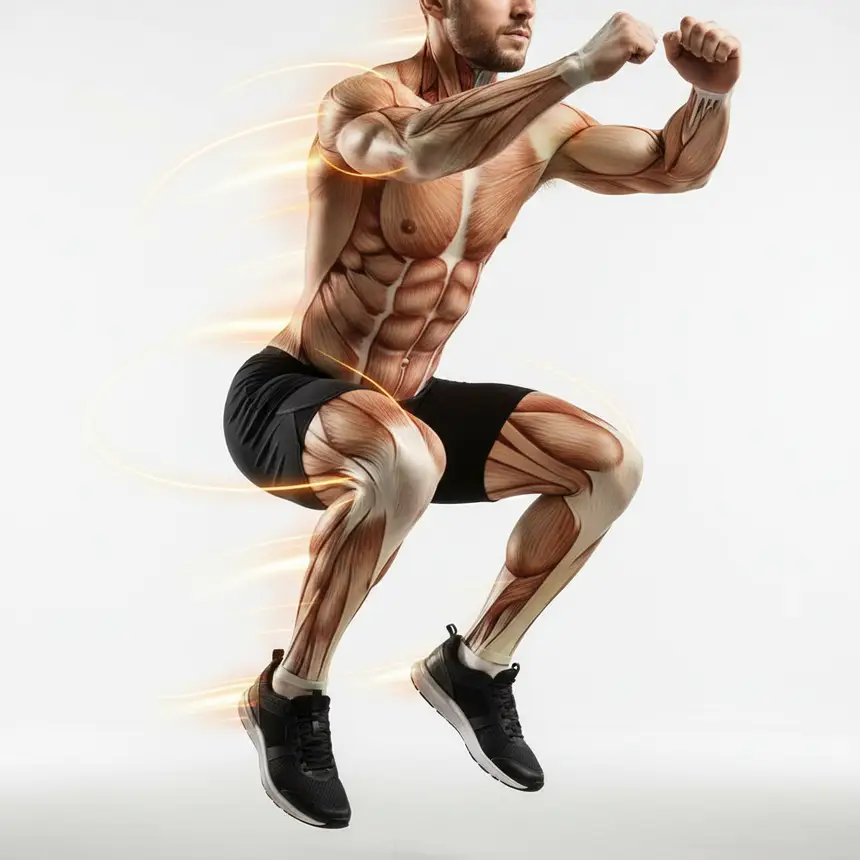
Ease daily discomfort and boost hip flexibility with effective hip stretches. Discover three key movements to relax and strengthen core muscles. Experience vibrant movement through consistent practice.

Why Prolonged Sitting Leads to Stiff Hips
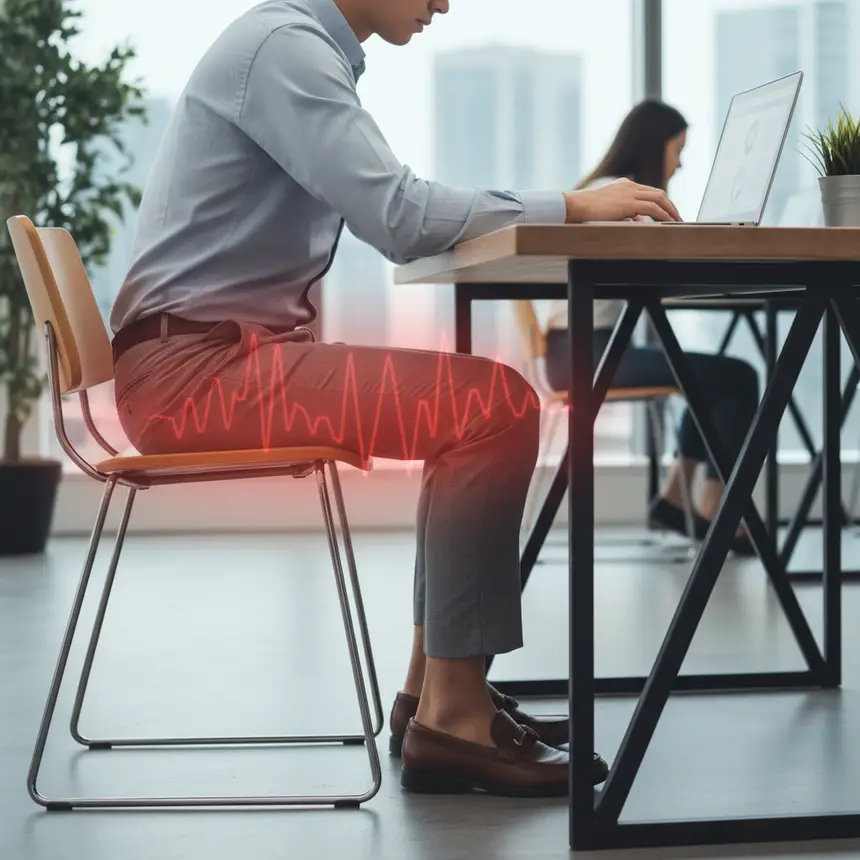
Our modern lifestyles often put a significant strain on a crucial joint: the hips. Extended periods of sitting and insufficient physical activity can cause the muscles surrounding your hip joint to shorten and become rigid. This stiffness isn't just an inconvenience; it can impact your walking gait and transfer stress to other parts of your body. The hip joint serves as a central connector between your upper and lower body, involved in nearly every movement you make daily. Reduced hip flexibility can lead to an unnatural walk and even cause undue tension in your lower back or knees. When the muscles around your hips and thighs accumulate tension, even simple actions like standing up or climbing stairs can feel challenging. Consistent hip stretching is an excellent way to alleviate these common discomforts and improve overall movement efficiency.
Three Effective Exercises for Improved Hip Flexibility
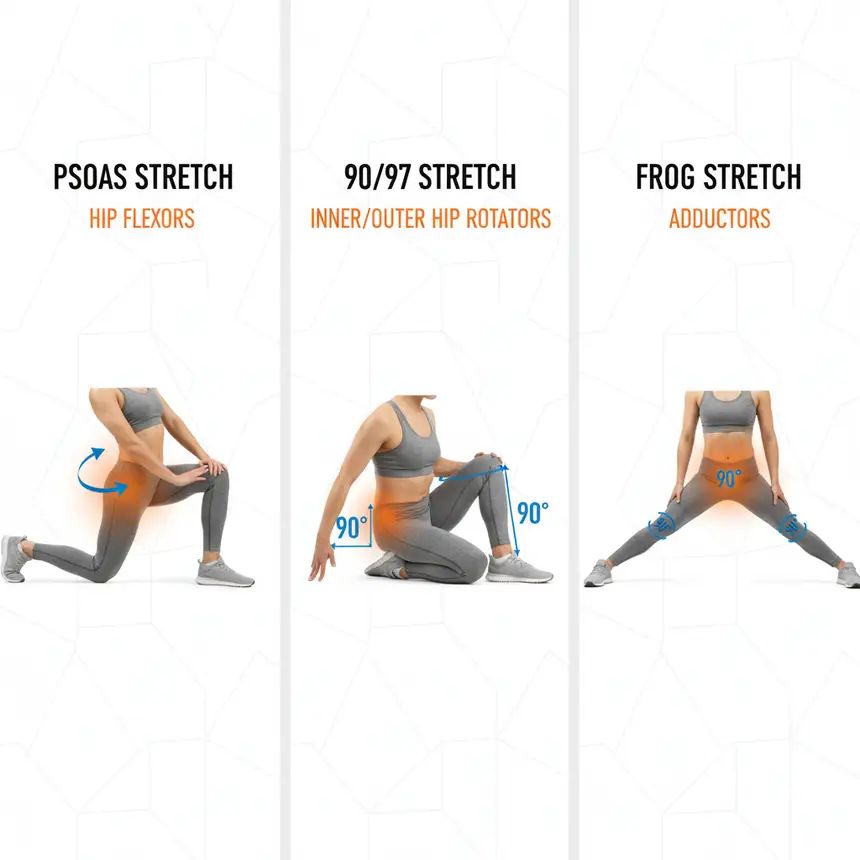
To restore hip function and enhance flexibility, consistent and accurate stretching is key. The following three exercises target core muscles around the hip joint, helping to expand your range of motion and effectively improve hip mobility. Each movement deeply relaxes specific areas of the hip muscles, contributing to overall lower body balance and stability.
1. Psoas Release Stretch
This stretch primarily targets the psoas muscle, located at the front of your pelvis. Tension in this muscle can easily disrupt your lumbar and pelvic alignment.
2. 90/90 Rotation Stretch
This exercise effectively improves both internal and external hip rotation, broadening your overall hip range of motion.
3. Frog Pose Stretch
This stretch focuses on deeply relaxing the adductor muscles, or inner thigh muscles, which are crucial for hip health and flexibility.
1. Psoas Release Stretch
This stretch primarily targets the psoas muscle, located at the front of your pelvis. Tension in this muscle can easily disrupt your lumbar and pelvic alignment.
- Start by kneeling on one knee, with the opposite foot placed far forward, creating a 90-degree angle at your front knee. If your kneeling knee is on a hard surface, place a soft mat or towel underneath for comfort.
- Keep your torso upright and engage your core to slightly tuck your pelvis forward. Be careful not to hyperextend your lower back.
- As you exhale, gently shift your weight forward towards your front foot, focusing on the stretch in the front of your back thigh and the inner groin area.
- Hold the position for 20-30 seconds, breathing deeply. Slowly return to the starting position and repeat on the other side. Perform 3 repetitions for each side.
2. 90/90 Rotation Stretch
This exercise effectively improves both internal and external hip rotation, broadening your overall hip range of motion.
- Sit on the floor with one leg bent at a 90-degree angle in front of your body, and the other leg bent at a 90-degree angle to the side. Both legs should form an 'L' shape when viewed from above.
- Place your hands on the floor for support and lengthen your spine, sitting tall. Try to keep both sit bones as grounded as possible.
- First, exhale and slowly lean your torso forward, aiming your chest towards the shin of your front leg. Feel the stretch in the outer hip of your front leg and hold for 20-30 seconds.
- Return to an upright position, then slowly rotate your torso towards your back leg. Feel the stretch in the inner hip joint of your back leg and hold for 20-30 seconds.
- After completing both rotations, switch your leg positions and repeat the process. Perform 2-3 repetitions for each side.
3. Frog Pose Stretch
This stretch focuses on deeply relaxing the adductor muscles, or inner thigh muscles, which are crucial for hip health and flexibility.
- Begin in a quadruped (hands and knees) position on the floor. It's recommended to use a yoga mat or soft blanket to protect your knees.
- Slowly widen your knees as far apart as comfortable. Keep your calves and thighs at roughly a 90-degree angle, and flex your ankles so the inner edges of your feet are on the floor.
- Extend your arms forward and rest your forearms on the floor, distributing your upper body weight. Keep your back flat and avoid letting your lower back sag.
- Exhale deeply and gently push your hips backward towards your heels. Stop at the point where you feel a strong stretch in your inner thighs (groin area).
- Hold at your most comfortable stretch point for 30 seconds to 1 minute, breathing steadily. Inhaling to slightly move forward and exhaling to push back can enhance the release.
※ This post contains affiliate links. I may earn a commission at no extra cost to you.

Consistent Practice and Smart Management: The Key to Healthy Hips
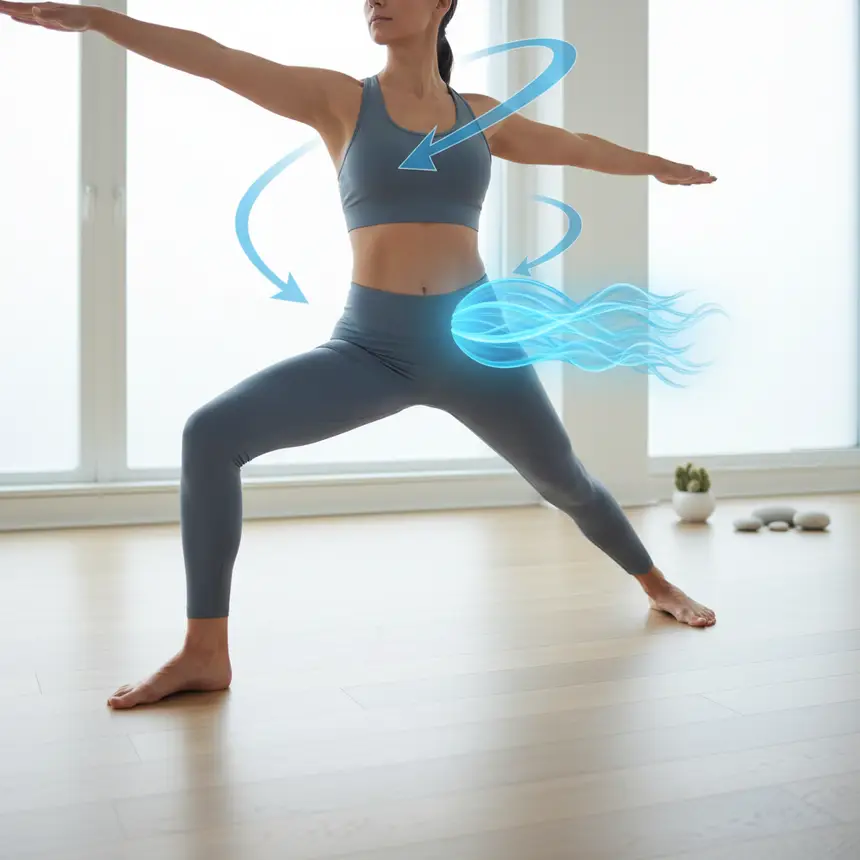
Making hip stretching a regular part of your routine is essential for long-term hip flexibility and overall well-being. Even short, consistent daily sessions can effectively relieve tension in the muscles surrounding your hips and improve the quality of your movement. However, as with any exercise, maintaining proper form and listening to your body's signals are paramount.
Your hip joint is a central axis of your body and vital for movement. Through consistent care and smart practices, maintain flexible and healthy hips to enjoy a vibrant, active life.
- Maintain Correct Form: Accurately follow the instructions for each stretch. Use a mirror or seek guidance from a fitness professional to check your posture. Incorrect form can potentially strain your body.
- Avoid Overstretching: Stretching should feel like a satisfying lengthening, not cause pain. Proceed only to the point where you feel a gentle, comfortable stretch. If you experience any sharp pain or severe discomfort, stop immediately.
- Consult a Professional: If you have persistent hip discomfort or significant pain, it's wise to consult with a fitness expert or healthcare provider. They can help identify the exact cause and provide appropriate guidance. A personalized approach might be necessary based on your individual physical condition.
Your hip joint is a central axis of your body and vital for movement. Through consistent care and smart practices, maintain flexible and healthy hips to enjoy a vibrant, active life.
Frequently Asked Questions
Q. Do I need to do hip stretches daily to see results?
A. Yes, performing hip stretches consistently every day is generally the most effective approach. Even short, regular sessions can significantly help maintain and improve flexibility in the muscles around your hips. Aim for at least 3-5 sessions per week.
Q. What should I do if I feel pain while stretching?
A. Stretching should typically feel like a comfortable lengthening, not sharp pain. If you experience any acute or strong pain, stop the movement immediately and rest. It's crucial not to push through pain. If discomfort persists, consult with a professional.
Q. Are there other ways to support hip health besides stretching?
A. Beyond stretching, low-impact cardio exercises like walking or swimming can help strengthen the muscles around your hips and improve blood circulation. Additionally, adopting habits like reducing prolonged sitting and frequently getting up to move can significantly benefit hip health.
Q. Can hip stretches also help improve my posture?
A. Yes, improving hip flexibility can greatly contribute to overall posture improvement. When tension in the muscles surrounding your hips is relieved, pelvic alignment can normalize, which in turn reduces strain on your lower back and spine. This ultimately helps you maintain a more upright and comfortable posture.