Looking to effectively prevent injuries during your workouts? This guide introduces essential stretching routines and practical tips for safer exercise. From dynamic and static stretches to finding your perfect fit, cultivate healthy fitness habits.

Feeling a Sudden Pang During Your Workout? Here's How to Avoid It
We all start our fitness journeys with enthusiasm, but sometimes an unexpected ache or injury can put a halt to our progress. That initial joy of pushing limits can quickly turn into frustration when muscle stiffness or joint discomfort makes continuing difficult. How can we navigate these challenges to maintain an active lifestyle? The answer lies in a systematic approach to exercise injury prevention, with effective stretching routines at its core. Let's explore smart strategies for pain-free, healthy workouts.
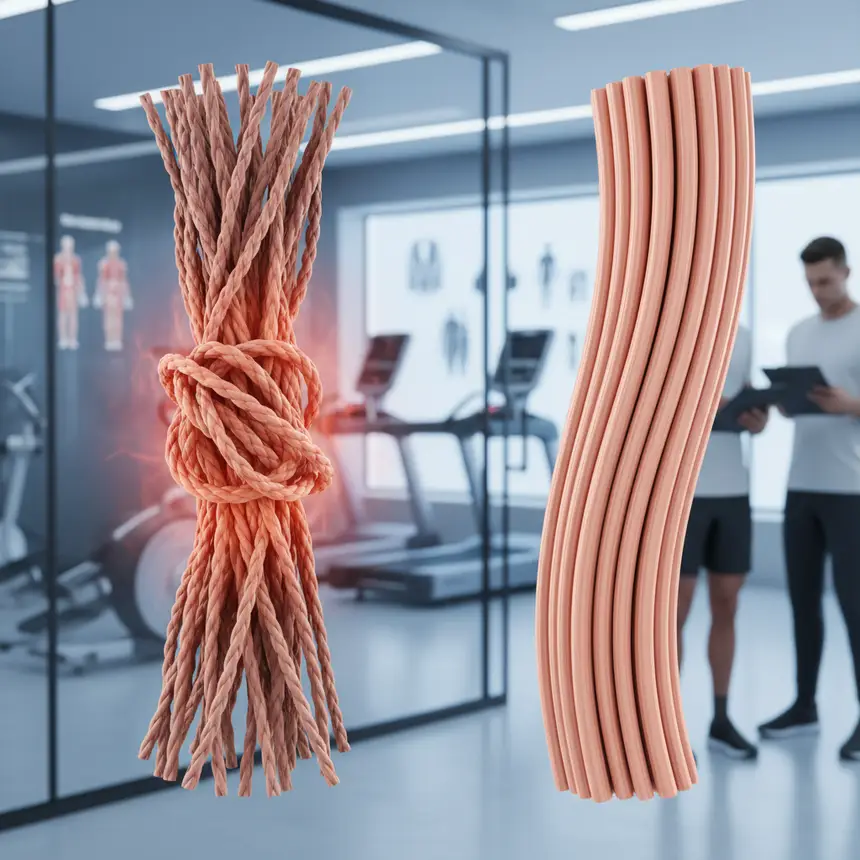
Common Reasons Why Workout Injuries Happen
Many individuals unknowingly put themselves at risk for injury by not adequately preparing their bodies before exercise or failing to cool down properly afterward. Our muscles and joints, accustomed to a limited range of motion in daily life, suddenly face significant stress during workouts. If your body lacks flexibility or your muscles are tight, even minor impacts can lead to damage. Furthermore, inadequate blood circulation can deprive muscles of vital oxygen and nutrients, making them even more vulnerable. This can result in various injuries like muscle strains, sprains, or joint issues, which not only hamper your athletic performance but also affect daily comfort.
※ This post contains affiliate links. I may earn a commission at no extra cost to you.

Your Essential Guide to Pre- and Post-Workout Stretching
To minimize injury risks and maximize your workout benefits, incorporating the right type of stretching at the right time is crucial.
Energize Your Body with Dynamic Stretches (Before Workout)
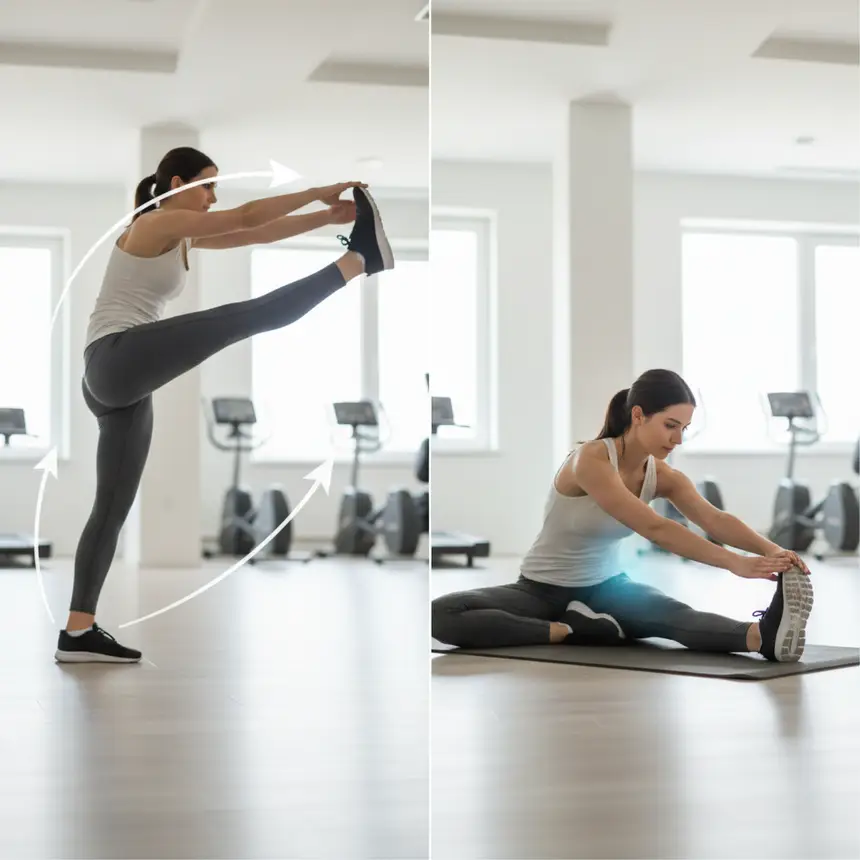
Think of dynamic stretching before your workout like warming up a car engine. It gradually increases your joint's range of motion, elevates muscle temperature to boost blood flow, and activates your nervous system, improving your reaction time for the main exercise. Simple movements like walking in place, arm circles, leg swings (front-to-back), and torso twists, performed 5-10 times each, gently awaken your entire body. These active movements act as a buffer, protecting your muscles from sudden exertion.
Aid Your Recovery with Static Stretches (After Workout)
After your workout, in contrast to dynamic movements, static stretching involves slowly extending a specific muscle and holding that position. This helps relax muscles that have become shortened and tight from exercise, enhances overall flexibility, and can reduce post-workout soreness. Hold each stretch for 20-30 seconds, ensuring you feel a gentle pull, not sharp pain. Effective examples include sitting to reach for your toes to stretch hamstrings, or using a wall to ease tension in your shoulders and chest. Remember to breathe deeply and slowly as you hold the stretch until the muscle feels adequately relaxed.
Energize Your Body with Dynamic Stretches (Before Workout)
Think of dynamic stretching before your workout like warming up a car engine. It gradually increases your joint's range of motion, elevates muscle temperature to boost blood flow, and activates your nervous system, improving your reaction time for the main exercise. Simple movements like walking in place, arm circles, leg swings (front-to-back), and torso twists, performed 5-10 times each, gently awaken your entire body. These active movements act as a buffer, protecting your muscles from sudden exertion.
Aid Your Recovery with Static Stretches (After Workout)
After your workout, in contrast to dynamic movements, static stretching involves slowly extending a specific muscle and holding that position. This helps relax muscles that have become shortened and tight from exercise, enhances overall flexibility, and can reduce post-workout soreness. Hold each stretch for 20-30 seconds, ensuring you feel a gentle pull, not sharp pain. Effective examples include sitting to reach for your toes to stretch hamstrings, or using a wall to ease tension in your shoulders and chest. Remember to breathe deeply and slowly as you hold the stretch until the muscle feels adequately relaxed.

Advanced Strategies for an Injury-Free Workout Journey
Effective stretching goes beyond just performing the movements; it requires a few strategic approaches.
Discovering Your Ideal Stretching Intensity and Type
Every body is unique. Your flexibility level, body structure, and the type of exercise you do will dictate your specific stretching needs. Start with light intensity and gradually increase it, stopping immediately if you feel discomfort or pain. It’s crucial to listen to your body's signals and, if necessary, consult a professional to help you find your perfectly optimized stretching routine.
Enhancing Stretching Benefits with Complementary Techniques
Combining stretching with other muscle recovery methods can create powerful synergies. For instance, self-myofascial release (SMR) using tools like foam rollers or massage balls on fatigued muscle areas after a workout effectively improves blood circulation and releases muscle tension. These complementary therapies boost the benefits of stretching and prepare your body for your next exercise session.
The Power of Consistency in Preventing Injuries
Even the best stretching routine is ineffective without consistent practice. If you work out 2-3 times a week, it's vital to make pre- and post-workout stretching a non-negotiable part of every session. Dedicating just 5-10 minutes consistently will, over time, significantly improve your body's flexibility and build a robust defense against potential injuries.
Discovering Your Ideal Stretching Intensity and Type
Every body is unique. Your flexibility level, body structure, and the type of exercise you do will dictate your specific stretching needs. Start with light intensity and gradually increase it, stopping immediately if you feel discomfort or pain. It’s crucial to listen to your body's signals and, if necessary, consult a professional to help you find your perfectly optimized stretching routine.
Enhancing Stretching Benefits with Complementary Techniques
Combining stretching with other muscle recovery methods can create powerful synergies. For instance, self-myofascial release (SMR) using tools like foam rollers or massage balls on fatigued muscle areas after a workout effectively improves blood circulation and releases muscle tension. These complementary therapies boost the benefits of stretching and prepare your body for your next exercise session.
The Power of Consistency in Preventing Injuries
Even the best stretching routine is ineffective without consistent practice. If you work out 2-3 times a week, it's vital to make pre- and post-workout stretching a non-negotiable part of every session. Dedicating just 5-10 minutes consistently will, over time, significantly improve your body's flexibility and build a robust defense against potential injuries.

Key Takeaways for a Safe and Healthy Fitness Journey
The cornerstone of a healthy active lifestyle is effective exercise injury prevention. Adhering to fundamental principles—waking up your body with dynamic stretches before your workout and relaxing muscles with static stretches afterward—is paramount. When you combine this with a personalized approach, incorporate recovery tools like foam rollers, and, most importantly, maintain consistent practice, your fitness journey will become not only safer but also far more enjoyable. Small habit changes yield significant results. Start integrating stretching into your workout routine today and unlock a stronger, more flexible you!
Frequently Asked Questions
Q. Should I stretch every day?
A. Ideally, you should incorporate stretching before and after every workout session. On non-workout days, light stretching can still help maintain flexibility.
Q. What should I do if I feel pain during stretching?
A. Stretching should feel like a gentle pull or tension, not sharp pain. If you experience any acute or severe pain, stop immediately, adjust the intensity to avoid straining the area, or consult a professional.
Q. Which is more important: dynamic or static stretching?
A. Both are equally important but serve different purposes. Dynamic stretching is essential for preparing your body before exercise, while static stretching is crucial for muscle relaxation and flexibility improvement afterward. Performing both as appropriate is most effective.
Q. Besides stretching, what else can I do to prevent injuries?
A. In addition to stretching, adequate warm-up, maintaining appropriate exercise intensity, proper form, sufficient rest, and a balanced diet significantly contribute to preventing exercise injuries.