Unlock peak cardiovascular fitness and full-body strength with the jump rope double under. Master proper technique, integrate effective routines, and elevate your overall athletic performance.

The Powerhouse Move: Unlocking the Benefits of Double Unders
The double under isn't just another cardio exercise; it's a dynamic, full-body movement that can revolutionize your fitness routine. This high-intensity maneuver rapidly elevates your heart rate, leading to significant calorie expenditure and a swift boost in cardiovascular endurance. Compared to traditional single-under jumps, double unders demand greater engagement from your leg and core muscles, simultaneously enhancing power, agility, and balance. For anyone looking to dramatically improve their overall athletic capabilities and fitness level in a short amount of time, mastering the double under is an exceptionally effective strategy.
Mastering the Double Under: Perfect Form and Routine Integration
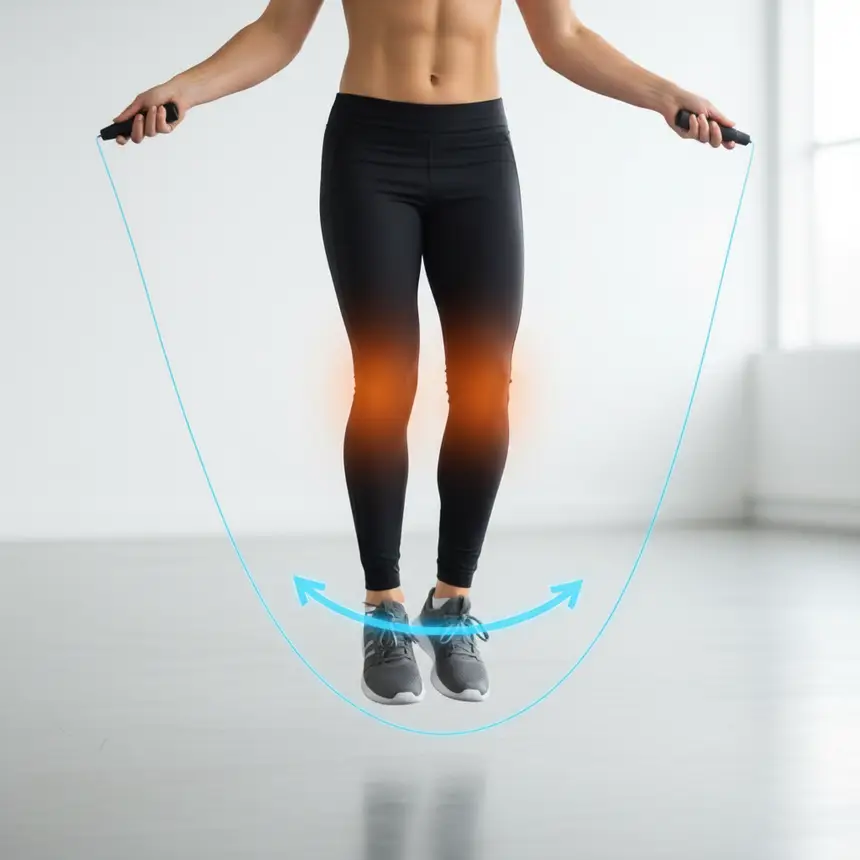
Achieving consistent double unders hinges on precise technique. Begin by keeping your elbows tucked close to your body and initiating the rope's rotation primarily from your wrists, not your arms. The jump itself should be a controlled spring from slightly bent knees, landing softly on the balls of your feet. You need just enough height for the rope to pass under your feet twice. To start, aim for sets of 5 successful double unders, followed by a 30-second rest, repeating this sequence 5 times. Gradually increase your reps or decrease rest periods as you progress. Incorporating double unders into interval training is highly effective: try 30 seconds of double unders followed by 30 seconds of rest, or alternate 1 minute of double unders with a strength exercise for a powerful conditioning circuit.
※ This post contains affiliate links. I may earn a commission at no extra cost to you.

Your Roadmap to Double Under Mastery: Step-by-Step Practice
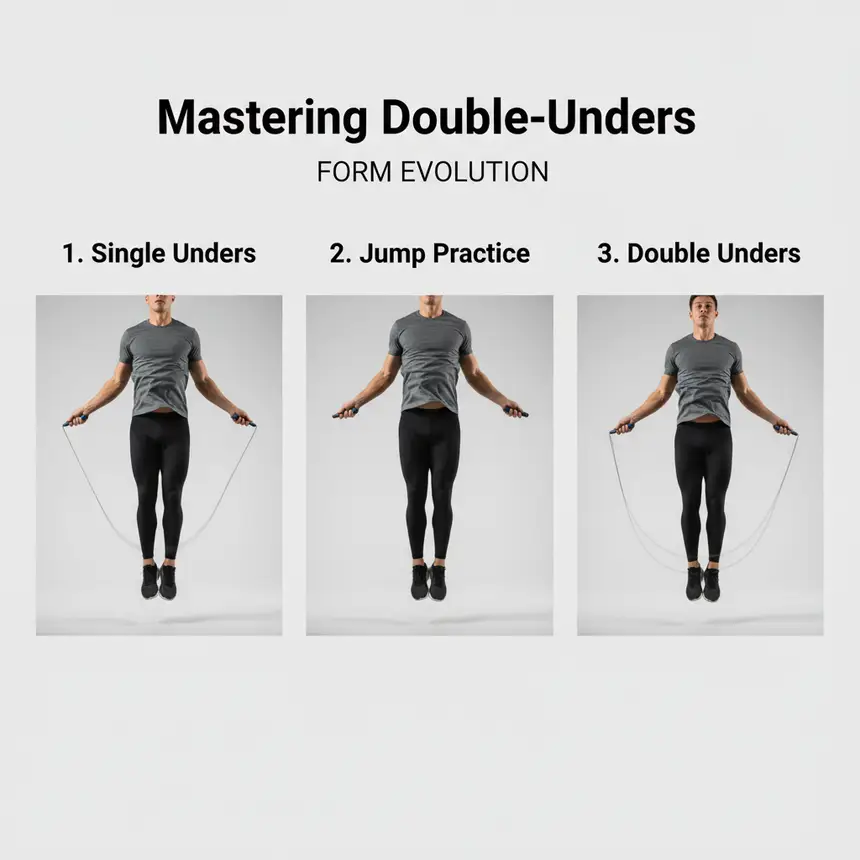
Conquering the double under is a skill that requires dedicated practice. Rather than trying to do too much too soon, adopt a progressive approach:
- Master the Single Under: Ensure you have a solid rhythm and feel for the rope with regular single jumps first.
- Practice Jump Height: Without the rope, jump in place as if you were performing a double under, focusing on achieving the necessary height.
- Refine Wrist Speed: Hold the rope and practice rapidly rotating your wrists, aiming to hear the rope hit the ground twice between each imagined jump.
- Attempt at a Slower Pace: Once comfortable with the above, try combining the jump and wrist rotation at a slightly slower speed. Even one successful double under is a significant milestone!
- Consistent Repetition: Short, regular practice sessions are key to building muscle memory and perfecting your timing. Persistence truly pays off.

Who Should Jump into Double Unders and What to Watch Out For
Double unders, due to their high impact nature, require attention to safety. Always begin with a thorough warm-up and dynamic stretching to prepare your joints. When landing, absorb the impact by slightly bending your knees; if you experience any pain in your ankles or knees, stop immediately. Using a correctly sized jump rope (the handles should reach your armpits when you stand on the middle of the rope) is also crucial. This exercise is ideal for adults seeking to boost their overall fitness, particularly those wanting maximum intensity in minimal time, and individuals aiming to improve cardiovascular endurance and full-body coordination. However, if you have pre-existing knee or ankle conditions, it's best to consult with a fitness professional before incorporating double unders into your routine.
Frequently Asked Questions
Q. Are double unders more effective than regular jump rope?
A. Yes, double unders require two rope rotations per jump, demanding much higher intensity. They are more effective at rapidly improving cardiovascular endurance, strength, power, and overall athletic performance.
Q. What's the most important tip for practicing double unders?
A. Proper form and consistent practice are paramount. Synchronizing your wrist speed with your jump height and timing is critical. Avoid rushing; progress gradually to prevent frustration and potential injury.
Q. What should I do if I feel ankle or knee pain during double unders?
A. Stop exercising immediately and rest. If the pain persists, consult a healthcare professional. To prevent injury, always warm up thoroughly and focus on soft landings with slightly bent knees.