Learn how to safely master deadlift form at home to build full-body strength and enhance core stability. From foam roller deadlift variations to proper technique and precautions, discover the secrets to a stronger you.

The Secret to Full-Body Strength and Balance, All at Home
Many of us find it challenging to consistently fit gym workouts into our busy schedules or feel intimidated by complex gym equipment. It's especially tough to find an effective exercise at home that simultaneously builds overall muscle and improves posture. Extended periods of sitting can weaken our core muscles and lead to poor posture, draining our daily energy. But don't worry! Home-friendly deadlift variations can be a powerful solution to these common concerns. This exercise goes beyond just building raw strength; it awakens key muscle groups, significantly enhancing your overall physical function. Let's explore how you can safely perform deadlifts at home to build full-body strength and reclaim a healthy, upright posture.
Perfecting Your Home Deadlifts: Essential Foam Roller Techniques
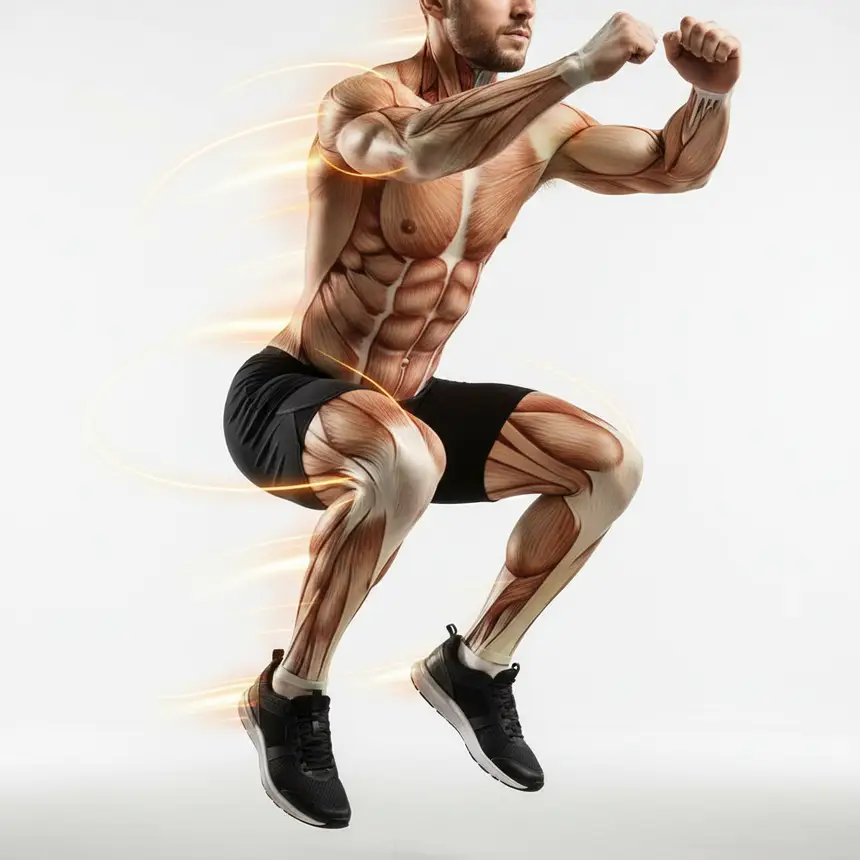
The deadlift is far more than just lifting heavy objects; it's a compound movement that engages your entire posterior chain—glutes, hamstrings, and lower back—along with your core, all at once. This multi-joint exercise boosts muscle mass, which in turn elevates your resting metabolism, increases calorie expenditure, and crucially, strengthens the muscles around your spine to support good posture. Utilizing a foam roller can make learning the correct form much easier for beginners and enhance the stability of your movements.
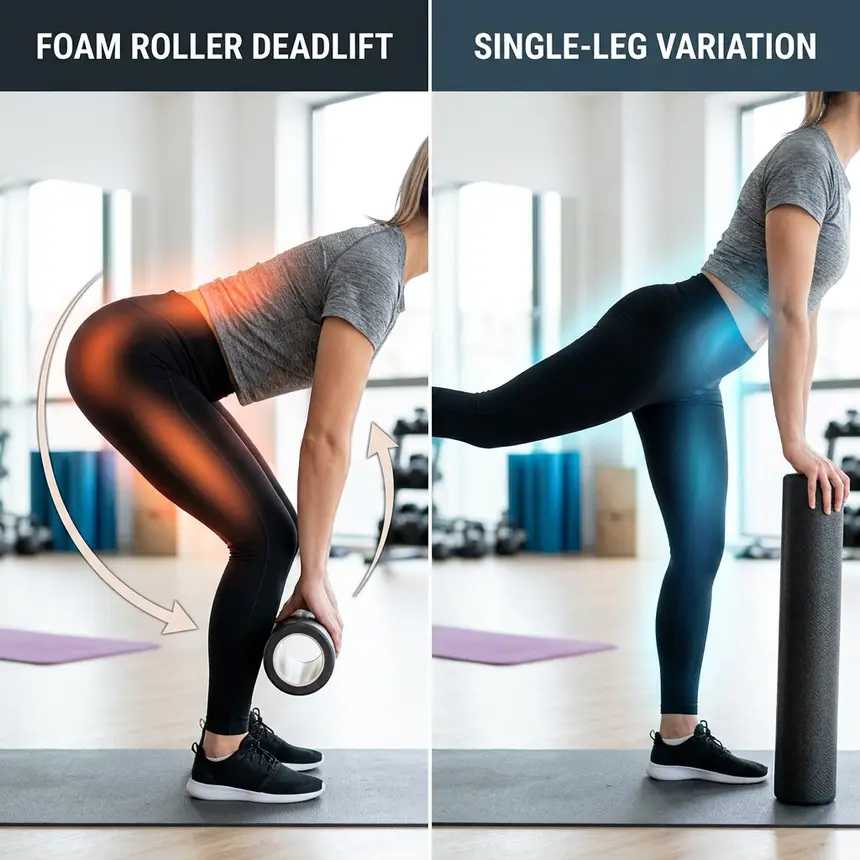
2. Engage your erector spinae and core to keep your back straight. Hinge at your hips, pushing your glutes backward as you lean your torso forward, much like taking a bow.
3. Allow the foam roller to naturally roll down your legs and arms as you descend.
4. Lower as deeply as you can without rounding your lower back, pausing for two seconds at the bottom.
5. Return to the starting position, keeping the foam roller supported by your legs and arms throughout the movement. Aim for 15 repetitions per set. This exercise effectively targets your glutes, hamstrings, and lower back muscles.
2. Lightly hold the foam roller with the hand corresponding to your back leg, while your other arm reaches towards the floor.
3. Focusing on the hamstring and glute of your standing leg, hinge forward at the hip. Extend your back leg straight behind you, keeping it in line with your torso.
4. Keep your core engaged to prevent your back from rounding. Lower as far as your flexibility allows, then slowly return to the starting position. Maintaining tension throughout the movement is key. This variation is excellent for improving balance and intensely strengthening the glutes and core of your standing leg.
- 1. Basic Foam Roller Deadlift: For Posterior Chain Power
2. Engage your erector spinae and core to keep your back straight. Hinge at your hips, pushing your glutes backward as you lean your torso forward, much like taking a bow.
3. Allow the foam roller to naturally roll down your legs and arms as you descend.
4. Lower as deeply as you can without rounding your lower back, pausing for two seconds at the bottom.
5. Return to the starting position, keeping the foam roller supported by your legs and arms throughout the movement. Aim for 15 repetitions per set. This exercise effectively targets your glutes, hamstrings, and lower back muscles.
- 2. Single-Leg Deadlift with Foam Roller: For Balance and Glute Focus
2. Lightly hold the foam roller with the hand corresponding to your back leg, while your other arm reaches towards the floor.
3. Focusing on the hamstring and glute of your standing leg, hinge forward at the hip. Extend your back leg straight behind you, keeping it in line with your torso.
4. Keep your core engaged to prevent your back from rounding. Lower as far as your flexibility allows, then slowly return to the starting position. Maintaining tension throughout the movement is key. This variation is excellent for improving balance and intensely strengthening the glutes and core of your standing leg.
※ This post contains affiliate links. I may earn a commission at no extra cost to you.

Final Checks for Safe and Effective Deadlifts
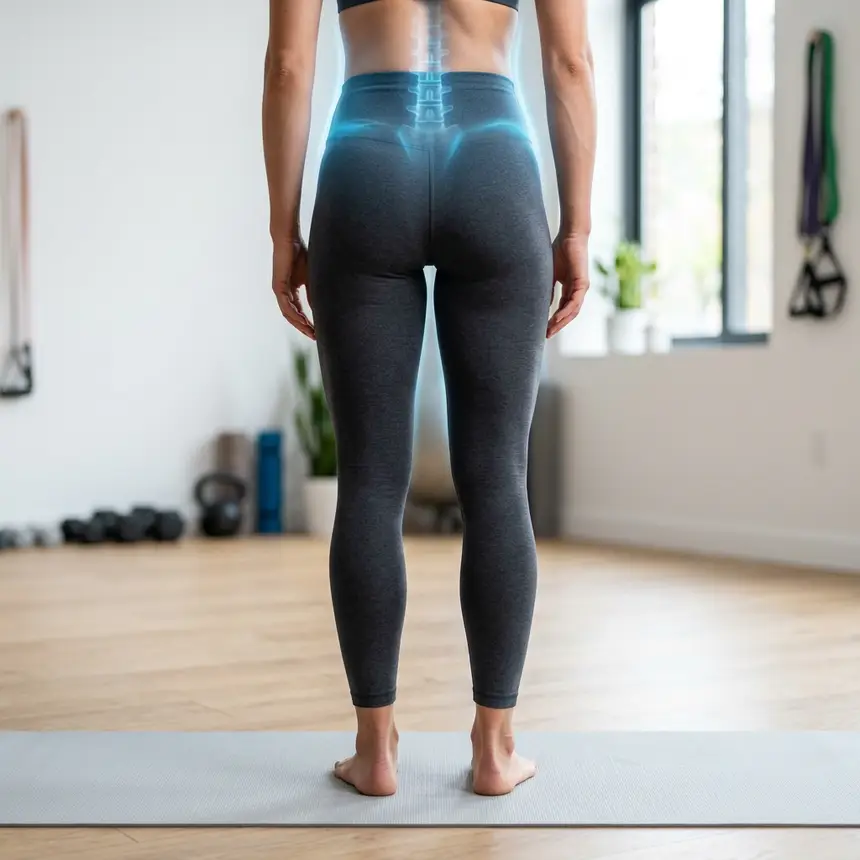
Consistently practicing deadlifts at home offers a double benefit: enhanced full-body strength and improved posture. However, as with any exercise, maintaining proper form and adhering to safety guidelines is paramount. Rounding your back or forcing the movement can lead to injuries, so always progress gradually according to your body's capabilities. Begin with just your body weight or a light foam roller to perfect your technique before adding any resistance. If you feel any lower back pain during the exercise, stop immediately and rest. Also, remember to maintain proper breathing (inhale on the way down, exhale on the way up) and keep your core engaged throughout. Rather than daily sessions, performing deadlifts consistently 2-3 times a week, combined with adequate rest, is more effective for muscle growth and recovery. By adhering to these precautions and integrating deadlifts into your routine, you’ll unlock a healthier, more vibrant life.
Frequently Asked Questions
Q. I'm a beginner; can I safely do deadlifts at home?
A. Absolutely! Deadlifts using a foam roller are excellent for beginners as they help you learn the correct form and add stability. It's crucial to use a mirror to check your posture initially and adjust your range of motion to ensure your back remains straight.
Q. What should I do if I feel lower back pain during deadlifts?
A. If you experience any lower back pain during deadlifts, stop exercising immediately and rest. This usually indicates incorrect form or insufficient core engagement. If the pain persists, it's best to consult a professional to identify the cause.
Q. Can I still do deadlifts if I don't have a foam roller?
A. While a foam roller aids in stability and guides your movement, it's not strictly essential. You can practice the exercise with just your body weight, or use a light stick or water bottle to help you get the feel of the movement. The key is to master the hip hinge motion—pushing your hips back—without rounding your back.
Q. Is it effective to do deadlifts every day?
A. For intense full-body exercises like deadlifts, it's generally recommended to perform them 2-3 times a week rather than daily. Allowing sufficient rest days for muscle recovery and growth is vital. If you wish to exercise daily, consider reducing the intensity or alternating deadlifts with other types of workouts.