Struggling with fatigue and lack of focus during intermittent fasting? Discover how a well-crafted bulletproof coffee, paired with an LCHF diet, can provide sustained energy and mental clarity.

The Intermittent Fasting Challenge: Why Do Mornings Feel Sluggish?
Many individuals embark on intermittent fasting seeking improved health and weight management. Initially, a simple cup of black coffee might seem sufficient to get through the fasting window. However, as time progresses, many find themselves grappling with unexpected difficulties during their mornings. These can include intense hunger pangs as lunchtime approaches, a general fogginess or lack of focus, and difficulty concentrating on work or studies. These phenomena are deeply connected to how our bodies utilize energy. Especially for those accustomed to a carbohydrate-heavy diet, the body needs time to switch to using fat as a primary fuel source during fasting, which can exacerbate feelings of fatigue and diminished concentration. The goal isn't just to endure the fast, but to intelligently overcome these challenges and cultivate sustained vitality.
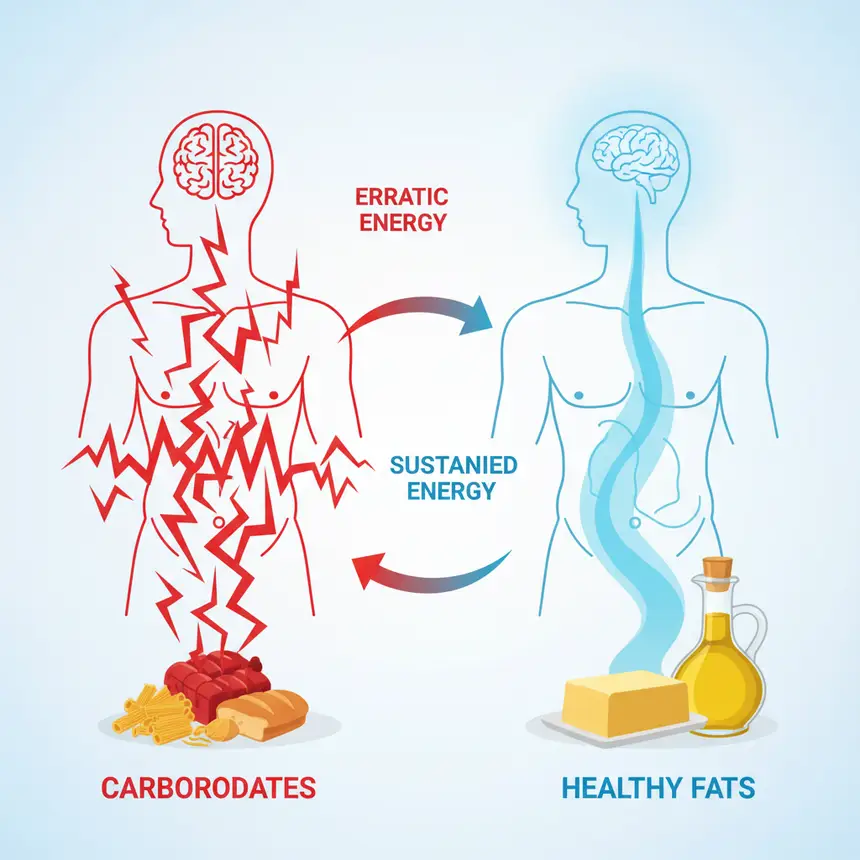
Fueling Your Body: The Science Behind LCHF and Quality Ingredients
Our bodies can operate far more efficiently when utilizing fat as a primary energy source instead of carbohydrates. Low-Carb High-Fat (LCHF) diets are designed to facilitate this metabolic shift, helping to stabilize blood sugar levels after meals and provide a consistent energy supply. This is where 'bulletproof coffee' plays a crucial role. This beverage, made by combining quality coffee with healthy fats, can help alleviate hunger and supply the brain with the energy it needs, thereby sustaining vitality and focus even during a fast. The key isn't merely adding butter, but rather the quality and combination of ingredients. Antioxidant compounds like polyphenols, naturally found in coffee beans, have an enhanced absorption rate when consumed with fats. Therefore, it's vital to choose high-quality beans that are free from harmful substances and slow-roasted at low temperatures to minimize nutrient loss. Additionally, unsalted grass-fed butter and high-purity Medium-Chain Triglyceride (MCT) oil provide a rapid energy boost while being gentle on the digestive system.
※ This post contains affiliate links. I may earn a commission at no extra cost to you.


Crafting the Perfect Brew: Your Guide to a Delicious Bulletproof Coffee
Creating a truly effective bulletproof coffee—one that aids in fasting and boosts vitality—hinges on the golden ratio of ingredients and the right brewing technique. Ideally, you'd steep about 30g of high-quality coffee grounds in 250ml of water at 90-93°C for 3 minutes. Using an immersion dripper with a reusable filter is recommended, as it allows for the full extraction of healthy fat compounds that might otherwise be absorbed by paper filters. Once brewed, combine the coffee in a blender with approximately 10g of unsalted grass-fed butter, 10ml of high-purity MCT oil, and 5-9g of a natural sweetener (like xylitol) along with 0.5-1g of high-quality cacao powder to balance the flavor. Blend all ingredients for at least 30 seconds until a smooth, creamy texture, similar to a latte, is achieved. The addition of xylitol and cacao powder helps reduce any potential richness and enhances the overall flavor, making it a delightful daily ritual.

Transform Your Routine: Embracing the Benefits of Bulletproof Coffee
Many who consistently incorporate bulletproof coffee, prepared in this manner, report experiencing positive changes in their daily lives. One of the most significant shifts is improved morning focus. What used to be periods of hunger, mental fogginess, or lethargy during fasting now transform into clear, sharp mental states, allowing for focused work or productive activities. Furthermore, the sustained feeling of fullness makes adhering to intermittent fasting windows considerably easier. The ability to maintain a fast without feeling tired and while having ample energy is a major advantage. The smooth, latte-like taste also makes it enjoyable and prevents palate fatigue. Beyond simply enduring the fast, this combination of healthy fats and antioxidants works synergistically to balance the body and elevate overall well-being. As a smart choice for a healthy diet and an energized day, this cup of bulletproof coffee can infuse new vitality into your life.
Frequently Asked Questions
Q. How does bulletproof coffee differ from regular coffee?
A. Regular coffee primarily provides an awakening effect from caffeine, while bulletproof coffee combines high-quality coffee with healthy fats (like grass-fed butter and MCT oil) to offer sustained energy and satiety alongside the caffeine boost, supporting enhanced brain function.
Q. What specific benefits does bulletproof coffee offer for intermittent fasting?
A. Bulletproof coffee supplies energy through fats without significant carbohydrate intake, thus avoiding a sharp rise in blood sugar and helping to maintain a fasted state. It also promotes satiety, reducing hunger, and can boost fat burning for more efficient energy utilization.
Q. What should I look for when choosing high-quality ingredients for my coffee?
A. For coffee beans, choose those that have undergone mold toxin testing and are slow-roasted at low temperatures. Opt for unsalted grass-fed butter and high-purity MCT oil. This helps minimize exposure to harmful substances and preserves maximum nutritional integrity.
Q. What's the best time of day to drink bulletproof coffee for maximum effect?
A. It is generally most effective when consumed in the morning on an empty stomach. This helps provide necessary energy and maintain focus throughout the morning without breaking your fast. It can also be used if hunger strikes before your midday meal.
Q. Are there any essential tools I need to make bulletproof coffee at home?
A. A grinder for fresh beans, an immersion dripper (preferably with a reusable filter for fat extraction), and a mixer or blender to thoroughly combine all ingredients will make the preparation process convenient and effective.