Midlife weight management doesn't have to be a struggle. Understand the body's changes, embrace effective strategies for hormonal balance, and learn how to manage weight healthily. Discover tailored exercise, nutrition, and expert advice to kickstart your successful midlife transformation.

The Midlife Weight Conundrum: Why Does It Get So Hard?
Many individuals entering their middle years find themselves puzzled by unexpected weight gain and a sudden struggle to shed pounds that once seemed effortless. This often manifests as a noticeable increase in fat around the abdominal area, leading to concerns not just about appearance but also about overall health. Unlike earlier stages of life where a slight adjustment in diet or exercise yielded quick results, the body's response in midlife can be surprisingly different. This shift is primarily due to a complex interplay of internal physiological changes, particularly alterations in metabolic activity and hormonal balance. Understanding these unique bodily characteristics is key to finding effective weight management strategies during this period. Simply cutting calories or intensifying workouts without a tailored approach can often lead to frustration and may even compromise well-being.
Navigating Hormonal Shifts and Metabolic Slowdown: Smart Solutions
As we enter midlife, the body undergoes several significant transformations. For women, a decline in specific hormones becomes more pronounced, fundamentally altering fat storage patterns and reducing the body's metabolic efficiency. These hormonal fluctuations can decrease insulin sensitivity, making it easier for consumed food to be stored as fat, even with consistent intake. Simultaneously, the basal metabolic rate, which dictates how many calories the body burns at rest, often declines. This combination fosters the accumulation of visceral fat, a type of deep abdominal fat that has direct implications for health and thus requires careful management. To effectively counter these metabolic shifts, a strategy beyond simple caloric restriction is essential.
Firstly, dietary adjustments should prioritize increased protein intake while reducing refined carbohydrates and processed foods to minimize blood sugar spikes. Incorporating whole grains, abundant vegetables, and healthy fats can help maintain satiety and ensure nutritional balance. Keeping a food journal can also provide objective insights into eating habits.
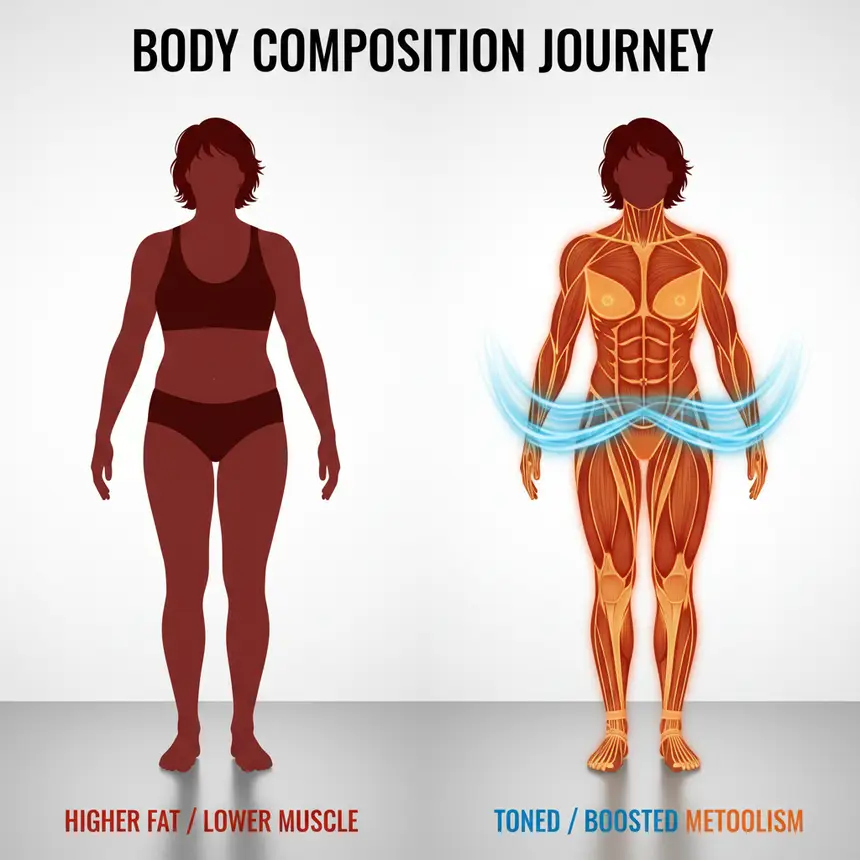
Secondly, exercise routines should integrate both strength training and cardiovascular workouts. Strength training is crucial for preserving and building muscle mass, which directly boosts the basal metabolic rate. Aim for 2-3 full-body strength sessions per week. Complement this with 3-5 sessions of at least 30 minutes of cardiovascular activity per week to enhance fat burning. Opt for low-impact options like walking, swimming, or cycling to protect joints. Consistent physical activity not only aids in weight loss but also significantly improves overall vitality.
Such a comprehensive approach to lifestyle modification can help improve insulin sensitivity and optimize fat metabolism in response to midlife changes, potentially leading to a meaningful weight reduction of 10-20% of initial body weight over time. The key is patience, consistent effort, and finding what works best for your unique body.
Firstly, dietary adjustments should prioritize increased protein intake while reducing refined carbohydrates and processed foods to minimize blood sugar spikes. Incorporating whole grains, abundant vegetables, and healthy fats can help maintain satiety and ensure nutritional balance. Keeping a food journal can also provide objective insights into eating habits.
Secondly, exercise routines should integrate both strength training and cardiovascular workouts. Strength training is crucial for preserving and building muscle mass, which directly boosts the basal metabolic rate. Aim for 2-3 full-body strength sessions per week. Complement this with 3-5 sessions of at least 30 minutes of cardiovascular activity per week to enhance fat burning. Opt for low-impact options like walking, swimming, or cycling to protect joints. Consistent physical activity not only aids in weight loss but also significantly improves overall vitality.
Such a comprehensive approach to lifestyle modification can help improve insulin sensitivity and optimize fat metabolism in response to midlife changes, potentially leading to a meaningful weight reduction of 10-20% of initial body weight over time. The key is patience, consistent effort, and finding what works best for your unique body.
※ This post contains affiliate links. I may earn a commission at no extra cost to you.


Holistic Approaches and Key Considerations for Successful Midlife Weight Management
Managing weight in midlife is more than just shedding pounds; it's about enhancing your overall quality of life. A holistic approach is indispensable for successful weight management, and there are several crucial considerations to keep in mind.
First and foremost, consulting with a healthcare professional is highly recommended. Developing a personalized strategy that considers your individual health status, metabolic profile, and any existing conditions is the most effective path. An accurate assessment of your current body state can help identify the most suitable dietary plan, exercise regimen, and any necessary supportive interventions.
Secondly, set realistic expectations. Focus on sustainable, healthy rates of change rather than chasing dramatic, rapid weight loss. Every body responds differently, and progress might sometimes be slower than anticipated. The long-term commitment is what truly matters. Instead of fixating solely on the number on the scale, pay attention to other positive indicators like a reduction in waist circumference, clothes fitting more comfortably, and increased energy levels.
Thirdly, manage all aspects of your lifestyle. Adequate sleep is vital for maintaining hormonal balance, and effective stress management can help prevent overeating. Ensure you drink enough water daily and maintain a regular daily rhythm, as these also positively influence metabolic function. Initially, temporary discomforts such as nausea or fatigue might occur; mitigate these by staying well-hydrated and consuming balanced meals, and always listen to your body's signals.
Ultimately, midlife weight management is less about how quickly you reach a target weight and more about how healthily you make changes and sustain them over time. Through consistent effort and professional guidance, you can discover the best approach for you, leading to a healthy and vibrant midlife.
First and foremost, consulting with a healthcare professional is highly recommended. Developing a personalized strategy that considers your individual health status, metabolic profile, and any existing conditions is the most effective path. An accurate assessment of your current body state can help identify the most suitable dietary plan, exercise regimen, and any necessary supportive interventions.
Secondly, set realistic expectations. Focus on sustainable, healthy rates of change rather than chasing dramatic, rapid weight loss. Every body responds differently, and progress might sometimes be slower than anticipated. The long-term commitment is what truly matters. Instead of fixating solely on the number on the scale, pay attention to other positive indicators like a reduction in waist circumference, clothes fitting more comfortably, and increased energy levels.
Thirdly, manage all aspects of your lifestyle. Adequate sleep is vital for maintaining hormonal balance, and effective stress management can help prevent overeating. Ensure you drink enough water daily and maintain a regular daily rhythm, as these also positively influence metabolic function. Initially, temporary discomforts such as nausea or fatigue might occur; mitigate these by staying well-hydrated and consuming balanced meals, and always listen to your body's signals.
Ultimately, midlife weight management is less about how quickly you reach a target weight and more about how healthily you make changes and sustain them over time. Through consistent effort and professional guidance, you can discover the best approach for you, leading to a healthy and vibrant midlife.
Frequently Asked Questions
Q. Why does fat tend to accumulate around the abdomen during midlife?
A. During midlife, hormonal changes alter how the body stores fat. For women, in particular, a decrease in certain hormones makes it easier for fat to accumulate around the abdomen and visceral organs. Additionally, a decline in basal metabolic rate means the body burns fewer calories at rest, making weight gain more likely even with consistent food intake.
Q. What types of exercise are most effective for midlife weight management?
A. A combination of strength training and cardiovascular exercise is most effective. Strength training helps build and maintain muscle mass, boosting your metabolic rate, while cardio aids in fat burning. Low-impact options like walking, swimming, or cycling are often recommended to be gentle on joints.
Q. What is the most important dietary consideration for midlife weight management?
A. Prioritizing increased protein intake and reducing refined carbohydrates and processed foods is crucial. Focus on consuming whole grains, fresh vegetables, and healthy fats to stabilize blood sugar levels and maintain satiety. A balanced diet and adequate hydration are essential.
Q. Is it okay if my weight loss is slow?
A. Yes, for midlife weight management, sustainable and healthy progress is more important than rapid, drastic loss. Individual results vary significantly. Focus on overall body changes like reduced waist circumference, better-fitting clothes, and increased energy rather than just the scale. Consistency is key for long-term success.
Q. Why is professional guidance important for midlife weight management?
A. Midlife body changes are complex, requiring a personalized strategy based on individual health status and metabolic characteristics. A professional can provide an accurate assessment, suggest appropriate dietary and exercise plans, and recommend additional health management methods to ensure safer and more effective weight loss.