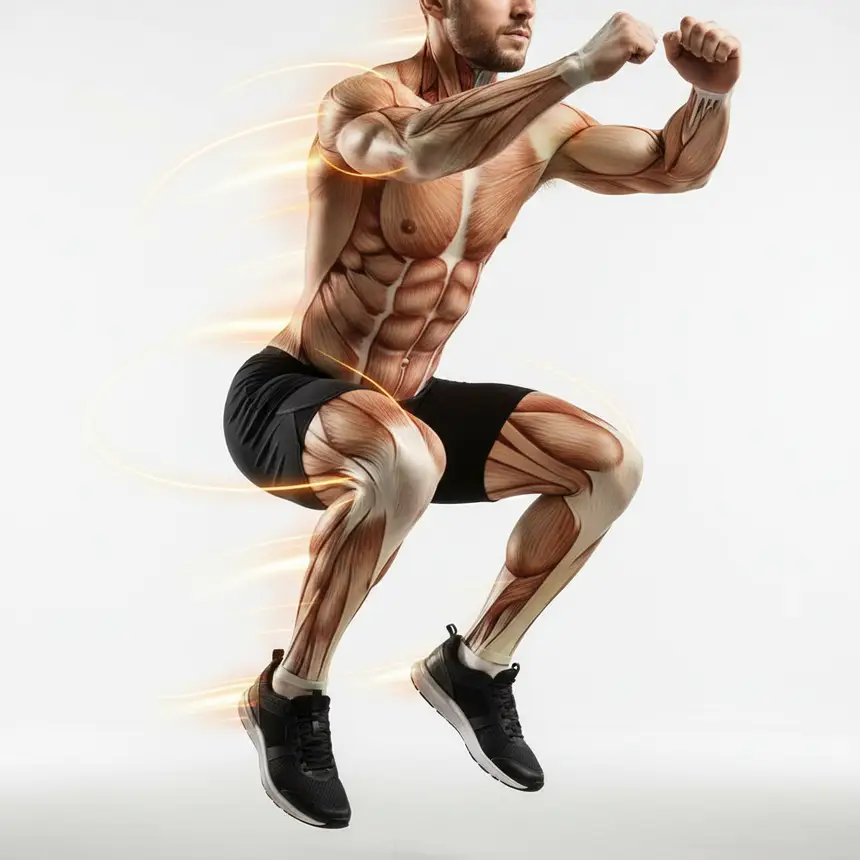
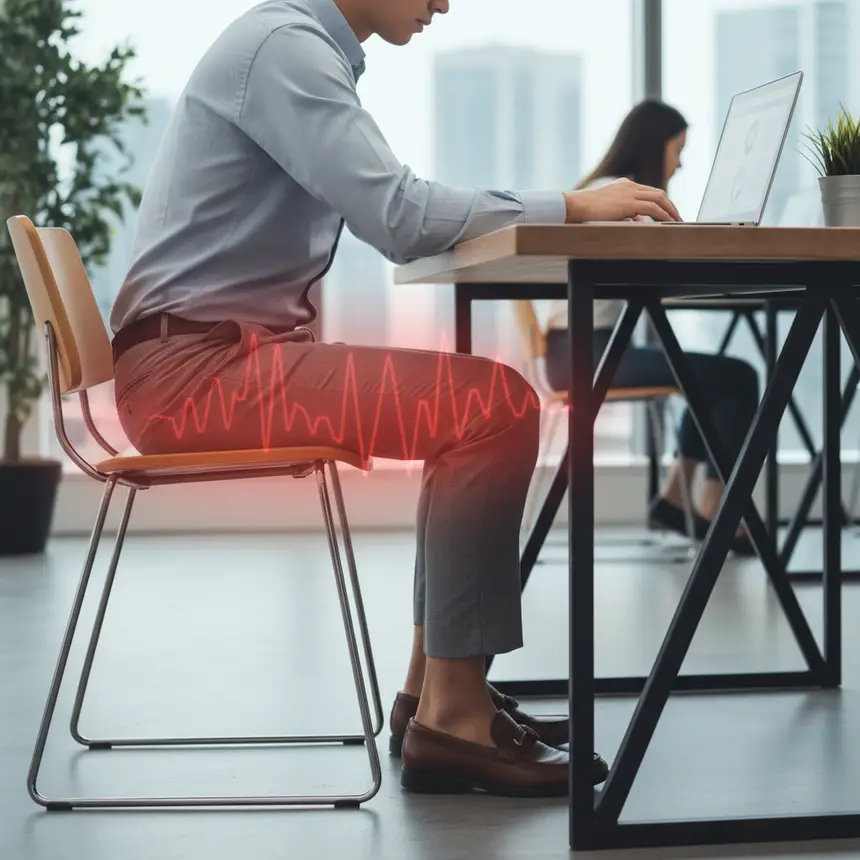
Mastering proper exercise form is crucial for injury prevention and posture correction. Discover how personalized training can guide you to build a healthy, balanced body.

Mirror, Mirror: How's Your Posture Holding Up?
In our daily lives, spent mostly sitting or standing, it's easy for our body's balance to slowly drift out of alignment without us even realizing it. Have you ever caught a glimpse of yourself in the mirror only to notice slouched shoulders or a 'tech neck' jutting forward? Perhaps certain clothes feel uncomfortable, or despite consistent workouts, your body's silhouette just isn't changing. These subtle imbalances aren't just cosmetic; they can be the root cause of unexpected aches and pains. Whether you're just starting your fitness journey or already a seasoned exerciser, it's crucial to ask: what should you be looking for? We need to understand deeply why correct exercise form and personalized guidance are so essential.
The Hidden Risks of Incorrect Exercise Form
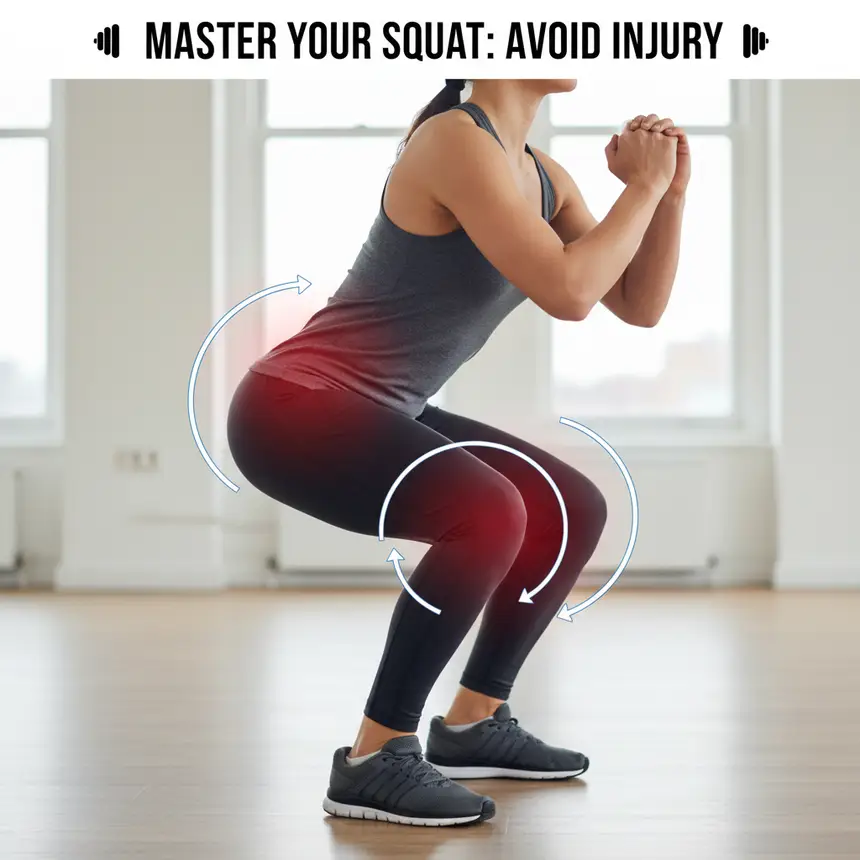
Many people embarking on a fitness routine tend to focus solely on moving more or lifting heavier weights. However, despite their visible efforts, they often don't see the desired results, or worse, they begin to experience discomfort. This usually stems from improper exercise form. Inefficient movements place undue stress on specific muscles, exacerbating muscular imbalances and eventually leading to strain on joints and ligaments, potentially resulting in injury. For instance, performing squats with knees caving inward or an overly arched lower back can be detrimental to your knee joints and lumbar spine. Furthermore, repetitive motions with poor form restrict your body's natural range of motion, cause chronic pain over time, and diminish the overall effectiveness of your workouts. Without a precise understanding of your body's mechanics, you risk undermining your health.
※ This post contains affiliate links. I may earn a commission at no extra cost to you.

Personalized Training: The Optimal Path to Understanding Your Body
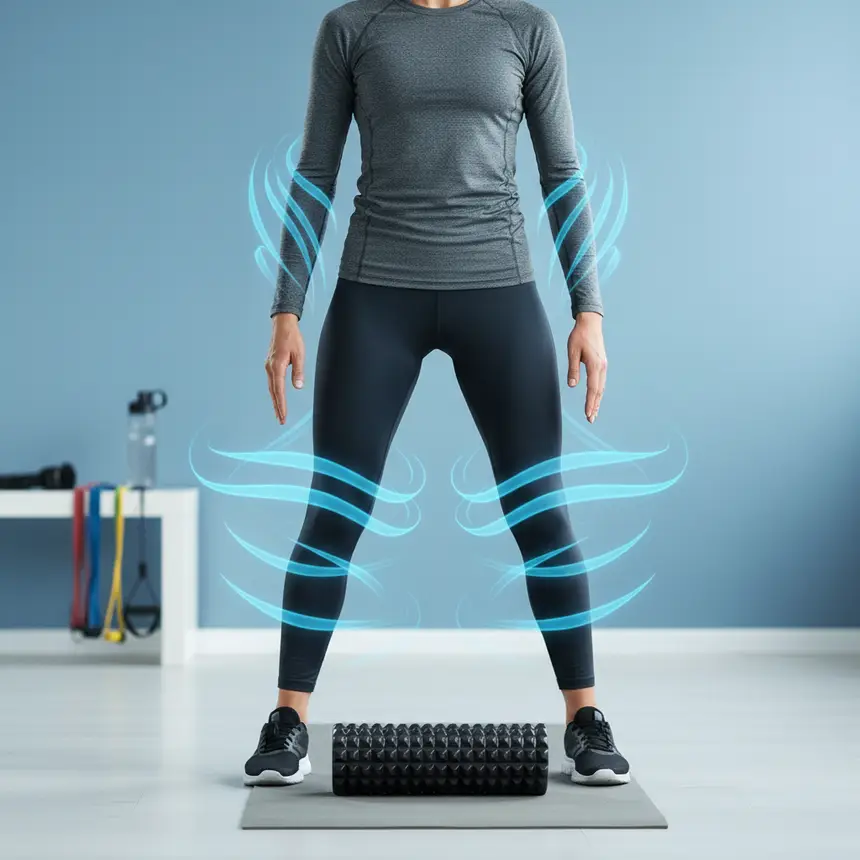
To build a healthy, balanced physique and correct postural issues, a customized exercise program tailored to your unique physical characteristics is indispensable. This goes beyond simply following trendy workouts; it requires a deep understanding of how your body moves, which muscles are weak, and which are overcompensating. Foundational free-weight exercises, utilizing barbells and dumbbells, play a significant role here. These movements engage multiple muscle groups simultaneously, enhancing overall coordination and balance. Additionally, incorporating myofascial release with foam rollers, functional stretching, and mobility drills before and after workouts is crucial for preparing your body and improving flexibility. Throughout this process, a profound grasp of 'why' each movement is performed and 'which' muscles should be engaged is the key to maximizing your training benefits.
Expert Guidance: Mastering Form and Building Sustainable Habits
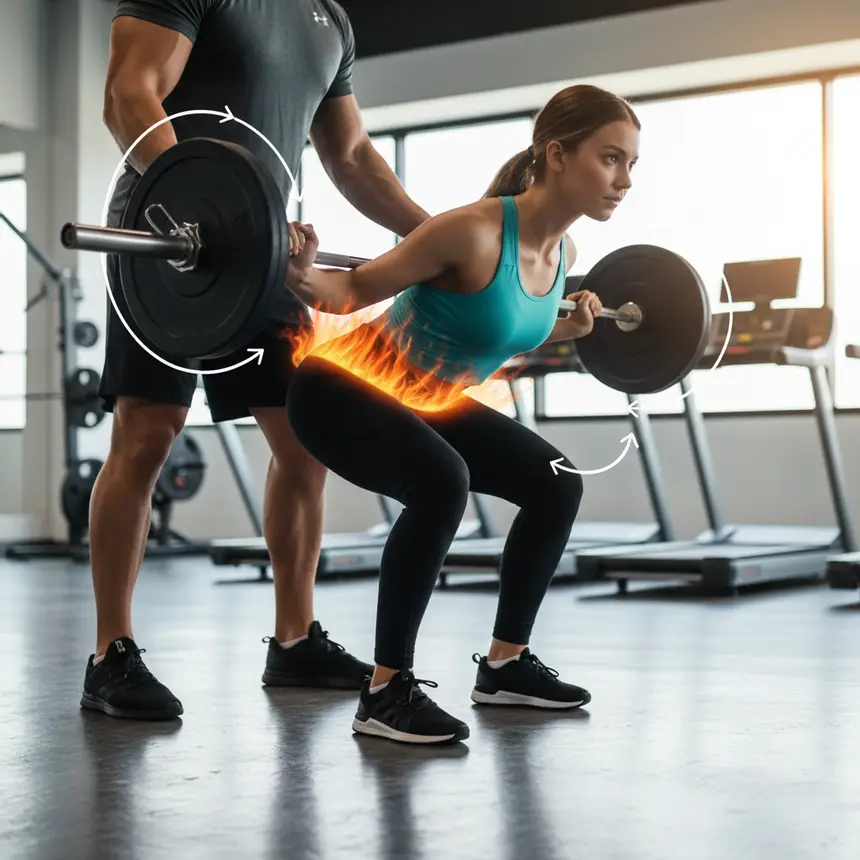
Maximizing workout efficacy and preventing injuries necessitates systematic guidance from a seasoned professional. An expert meticulously analyzes your body type, physical capabilities, and range of motion to prescribe appropriate exercise intensity and movements. For example, if your balance is off during a barbell squat, they'll help you adjust the weight or depth to achieve proper form. If you struggle with rounded shoulders, they'll design a program emphasizing back strengthening exercises, meticulously guiding each scapular movement to ensure correct muscle activation. This instruction isn't just about repetition; it involves demonstrating and explaining 'which muscles to use' and 'what sensations to feel,' even offering tips for your solo workouts. Such consistent and precise coaching is the most reliable way to help you develop sound exercise habits and independently continue your fitness journey with proper form.
Your First Step Towards a Balanced Life: Start Today
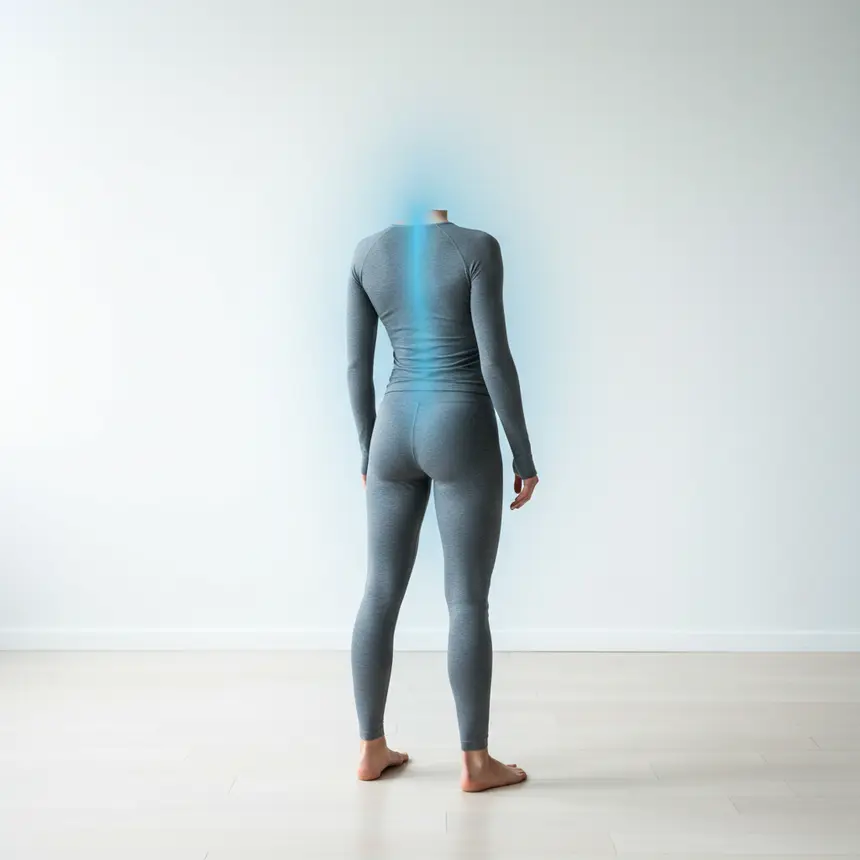
Posture correction is far more than just altering your outward appearance. It's about restoring your body's functionality, revitalizing your daily energy, and making a significant long-term investment in your health span. Imagine the transformation: improved shoulder lines, reduced back pain, and renewed confidence in every outfit you wear. These changes don't happen by chance; they are the direct result of consistent and correct exercise efforts. You don't need to be perfect from the start. What truly matters is the courage to take that small, crucial step for your body right now. Seek professional assistance to genuinely understand your body, master proper exercise form, and embark on a journey of building healthy habits. Your body will undoubtedly reward your dedication. The time to begin your journey towards a balanced you is now.
Frequently Asked Questions
Q. Can beginners start posture correction exercises?
A. Absolutely! Posture correction exercises are arguably even more vital for beginners. Learning correct movement patterns before bad habits become ingrained significantly benefits long-term health. It's highly recommended to start slowly with fundamental movements under expert guidance.
Q. Is personalized training really necessary, or can I just work out on my own?
A. While exercising alone is beneficial, expert guidance is particularly effective if your goal is posture or form correction. Personalized training accurately diagnoses your body's unique characteristics and imbalances, providing a tailored exercise plan and precise form instruction to minimize injury risk and maximize workout effectiveness.
Q. How long does posture correction typically take?
A. The duration of posture correction varies greatly depending on an individual's current condition, dedication, and lifestyle habits. Generally, it requires several months to over a year of consistent effort. Focusing on long-term commitment rather than immediate results is key.
Q. What exercise equipment helps with posture correction?
A. For posture correction, the focus is less on specific machines and more on exercises that strengthen core muscles and improve flexibility. Foam rollers, resistance bands, and full-body exercises using basic free weights (dumbbells, barbells) are highly effective. The key is proper form and technique, not just the equipment type.
Q. What should I do if I feel pain during exercise?
A. If you experience sharp or persistent pain during exercise, stop immediately and consult with a professional. While mild muscle soreness is normal, joint pain or abnormal discomfort can be a sign of injury, so it's crucial not to push through it.