Navigating weight gain and stubborn belly fat in your 50s is a common challenge. Discover healthy eating habits and safe, effective exercise routines designed to combat a slower metabolism and hormonal shifts. Reclaim your vitality and build lasting healthy habits for a thriving midlife.

The Midlife Belly Fat Battle: You're Not Alone
Stepping into your 50s often brings an unexpected challenge: a noticeable shift in your body composition, particularly around the waistline. That stubborn belly fat, which seems resistant to even your best efforts, becomes a common source of frustration. It’s disheartening when the diet and exercise routines that worked in your younger years no longer yield results, or worse, seem to lead to further weight gain. This isn't a reflection of your willpower, but rather a complex interplay of physiological changes occurring within your body as you age. If you've been feeling defeated by past weight loss attempts or are unsure how to approach healthy, effective strategies now, you're in good company. Many aspire to a vibrant and healthy midlife but find themselves struggling with these new realities. This article aims to provide clarity and practical guidance to help you navigate this phase successfully.
Unpacking the Causes: Why Belly Fat Becomes So Persistent in Your 50s
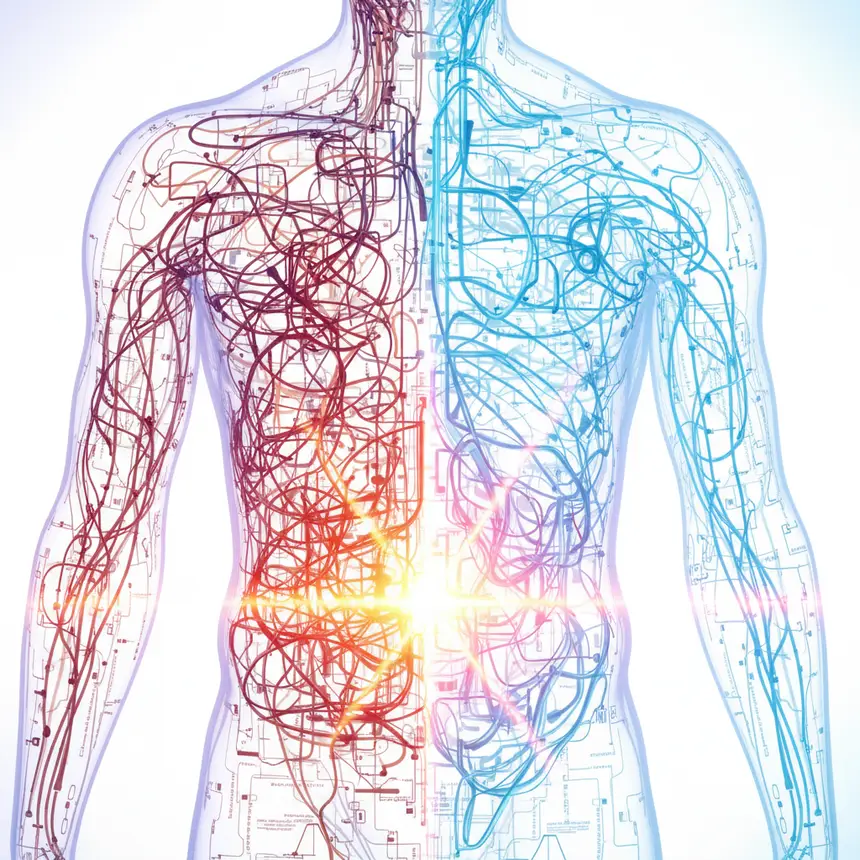
Weight gain after 50, especially the accumulation of abdominal fat, is a multifaceted issue driven by several key factors. First, your basal metabolic rate (BMR), essentially your body's energy engine, naturally slows down. This is largely due to age-related muscle loss and often a decrease in overall physical activity, meaning your body burns fewer calories at rest. Consequently, maintaining the same eating habits as before can lead to weight gain. Second, hormonal shifts play a significant role. For women, the peri-menopause and menopause stages involve a decline in estrogen levels, which tends to redistribute fat storage from hips and thighs to the abdominal area. Additionally, an increase in the stress hormone cortisol can also promote belly fat accumulation. Third, changes in digestion and gut health can’t be overlooked. An imbalanced gut microbiome can negatively impact nutrient absorption and metabolism, making weight management even more challenging. Understanding these internal shifts is the crucial first step toward effective midlife weight management.
※ This post contains affiliate links. I may earn a commission at no extra cost to you.

The Solution: Reclaiming Vitality Through Smart Nutrition and Effective Exercise
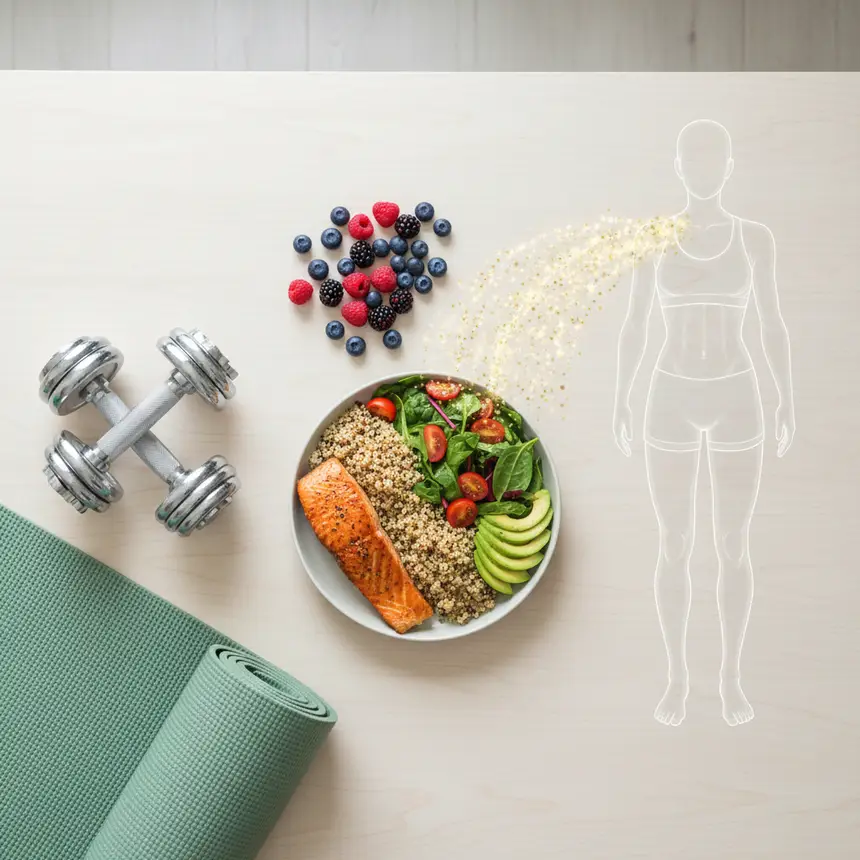
Achieving healthy weight loss in your 50s requires an informed strategy that acknowledges your body's unique changes.
1. Tailored Nutrition for Midlife
2. Joint-Friendly and Impactful Exercise
3. Lifestyle Adjustments
1. Tailored Nutrition for Midlife
- Prioritize Protein: To combat muscle loss and enhance satiety, aim for ample high-quality protein sources like lean meats, fish, legumes, and dairy with every meal. Target around 0.5 to 0.7 grams of protein per pound of body weight daily.
- Embrace Whole Grains and Fiber: Swap refined carbohydrates for whole grains such as brown rice, oats, and whole-wheat bread to stabilize blood sugar and maintain fullness. Increase your intake of vegetables and fruits for their rich fiber content.
- Healthy Fats are Your Friend: Include moderate amounts of unsaturated fats from sources like avocados, nuts, seeds, and olive oil to support hormone balance and contribute to satiety.
- Hydration is Key: Drink at least 64 ounces (about 2 liters) of water daily to support metabolism and aid in detoxification.
- Mindful Eating: Slow down your eating pace. This allows your brain enough time to register fullness, which can effectively prevent overeating.
2. Joint-Friendly and Impactful Exercise
- Strength Training: Building and maintaining muscle mass is paramount. Incorporate bodyweight exercises like squats, lunges, and modified push-ups, or use light dumbbells 2-3 times per week. Focus on proper form to protect your joints.
- Cardiovascular Work: Engage in low-impact cardio like brisk walking, swimming, or cycling for at least 30 minutes, 3-5 times per week. This strengthens your heart and burns fat without stressing your joints.
- Flexibility and Balance: Practices like yoga or Pilates can strengthen core muscles, improve flexibility, and enhance balance, crucial for injury prevention.
3. Lifestyle Adjustments
- Prioritize Sleep: Aim for 7-8 hours of quality sleep per night. Adequate rest is vital for hormonal regulation and appetite control.
- Manage Stress: Implement stress-reduction techniques such as meditation, hobbies, or gentle walks. Lowering cortisol levels can significantly impact abdominal fat.

Practical Strategies for Sustainable Change and a Brighter Future
Successful weight management in your 50s isn't about quick fixes; it's about cultivating consistent, sustainable lifestyle changes. Resist the urge for rapid results, and instead, focus on achieving small, manageable goals. For instance, commit to making one meal a day protein-rich, or start with just 10 minutes of walking daily and gradually increase the duration.
While immediate dramatic changes might not be visible, persistence will undoubtedly lead to positive transformations within your body. Shift your focus from solely the number on the scale to other beneficial indicators: how your clothes fit, increased energy levels, or improved mood. Also, remember that you don't have to tackle this alone; seeking guidance from a registered dietitian or certified fitness professional can provide a personalized roadmap tailored to your specific needs.
Health in your 50s and beyond is deeply intertwined with your overall quality of life, extending far beyond just weight. By embracing a balanced diet, consistent activity, and a positive mindset, you can forge a vibrant and energetic midlife. Begin your journey with a small step today and pave the way for a healthier, happier tomorrow!
While immediate dramatic changes might not be visible, persistence will undoubtedly lead to positive transformations within your body. Shift your focus from solely the number on the scale to other beneficial indicators: how your clothes fit, increased energy levels, or improved mood. Also, remember that you don't have to tackle this alone; seeking guidance from a registered dietitian or certified fitness professional can provide a personalized roadmap tailored to your specific needs.
Health in your 50s and beyond is deeply intertwined with your overall quality of life, extending far beyond just weight. By embracing a balanced diet, consistent activity, and a positive mindset, you can forge a vibrant and energetic midlife. Begin your journey with a small step today and pave the way for a healthier, happier tomorrow!
Frequently Asked Questions
Q. Why is belly fat so hard to lose after 50?
A. After 50, your metabolism naturally slows down, and for women, hormonal changes like declining estrogen often lead to more fat being stored around the abdomen. Muscle loss and increased stress can also contribute to this challenge.
Q. What are some safe exercises recommended for people in their 50s?
A. Low-impact strength training (bodyweight squats, lunges, light dumbbells) and cardiovascular exercises (walking, swimming, cycling) are excellent. Yoga or Pilates can also be beneficial for flexibility and core strength.
Q. Are there any specific nutrients I should focus on increasing in my diet?
A. Yes, prioritize protein intake to maintain muscle mass. Also, ensure you consume plenty of fiber-rich whole grains and vegetables for gut health and satiety. Don't forget healthy fats and adequate hydration.
Q. I struggle with cravings while trying to manage my weight. Any tips?
A. Ensure your main meals are rich in protein and fiber to boost fullness. Keep healthy snacks (nuts, fruit, yogurt) on hand. Increasing water intake can also help, and managing stress can reduce emotional eating.
Q. I want to see results quickly. Is it okay to severely restrict my diet?
A. For weight management in your 50s, health and sustainability are paramount. Severe dietary restrictions can lead to nutritional deficiencies and rebound weight gain (yo-yo effect). A gradual, balanced approach focused on long-term well-being is far more effective and healthier.